

We are a digital agency helping businesses develop immersive, engaging, and user-focused web, app, and software solutions.
2310 Mira Vista Ave
Montrose, CA 91020

2500+ reviews based on client feedback
What's Included?
ToggleFinancial firms run on data. They need numbers fast and they need them right. Yet a lot of the software they use was built years ago, on old languages and clunky frameworks. Those systems are hard to change, hard to test, and often break when new regulations appear. When a bank wants to roll out a new product, the codebase can become a bottleneck. The result is slower launches, higher costs, and more risk of mistakes. In today’s market, that lag can mean lost customers and lower profits. So the industry is looking for ways to modernize without tearing down everything that already works.
Agentic AI is a step beyond the chat‑bots and recommendation engines we see every day. Instead of just answering questions, an agent can take actions on its own – writing code, running tests, fixing bugs, even deploying to production. Think of it as a tiny software engineer that follows a set of goals and learns from feedback. It combines large language models with tools that let it interact with a development environment. The key is that the AI is not just a helper, it can decide what to do next based on the results it sees. That autonomy makes it possible to scale work that would otherwise need many human engineers.
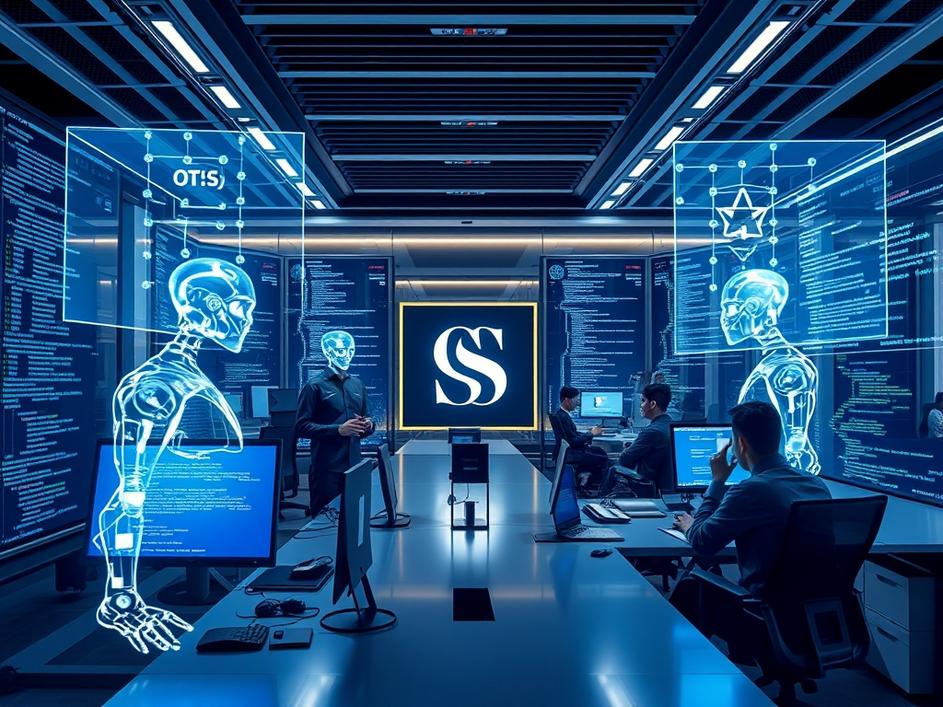
Goldman Sachs built a platform they call “AI‑Code Lab.” The system lets an AI agent pull a ticket from the backlog, read the specification, and start writing the required functions. Once the code is generated, the same agent runs unit tests, checks for security issues, and even suggests performance improvements. If a test fails, the agent rewrites the problematic part and tries again. All of this happens inside a sandbox that mirrors the bank’s real environment, so the output can be moved to production with minimal human touch. The firm reports that a single AI cycle can finish a task that would normally take a junior developer a week, and it does it with far fewer errors.
The most obvious gain is speed. Projects that used to sit in a queue are now moving forward almost daily. Errors that slip through manual code reviews are being caught early by the AI’s testing loop. The bank also says it has cut down on overtime and reduced the need for costly external contractors. But the rollout is not without challenges. Trust is a big issue – senior engineers need to feel comfortable letting a machine write production code. Security teams worry about hidden vulnerabilities that an AI might miss. There is also the question of accountability: who is responsible if an AI‑generated feature causes a compliance breach? Goldman Sachs is addressing these concerns with strict monitoring, audit logs, and a “human‑in‑the‑loop” policy for any code that touches customer data.
Other banks and insurers are watching closely. If Goldman Sachs can keep the quality high while shaving weeks off development cycles, the pressure to adopt similar tools will grow. Yet each firm will need its own governance framework. The technology works best when the data it trains on is clean and when the development processes are well defined. Companies will likely invest in upskilling their staff to understand how to work with AI agents, rather than trying to replace engineers altogether. In the near term we may see hybrid teams where humans set the goals and review the output, while the AI handles the repetitive coding bits.
Seeing a giant like Goldman Sachs put agentic AI into production is exciting, but I think it’s still early days. The speed gains are real, and the error reduction is impressive, but the technology is only as good as the rules we give it. Human oversight remains essential, especially in a sector where a single mistake can cost millions. If firms keep the AI as a partner rather than a replacement, they can reap the benefits without exposing themselves to new kinds of risk. In the long run, I expect we’ll see more AI‑driven tools, but they will be guided by experienced engineers who understand both the code and the business impact. That balance will be the key to turning a cool experiment into a reliable part of the financial world’s daily workflow.
Source: Original Article


Comments are closed