

We are a digital agency helping businesses develop immersive, engaging, and user-focused web, app, and software solutions.
2310 Mira Vista Ave
Montrose, CA 91020

2500+ reviews based on client feedback
What's Included?
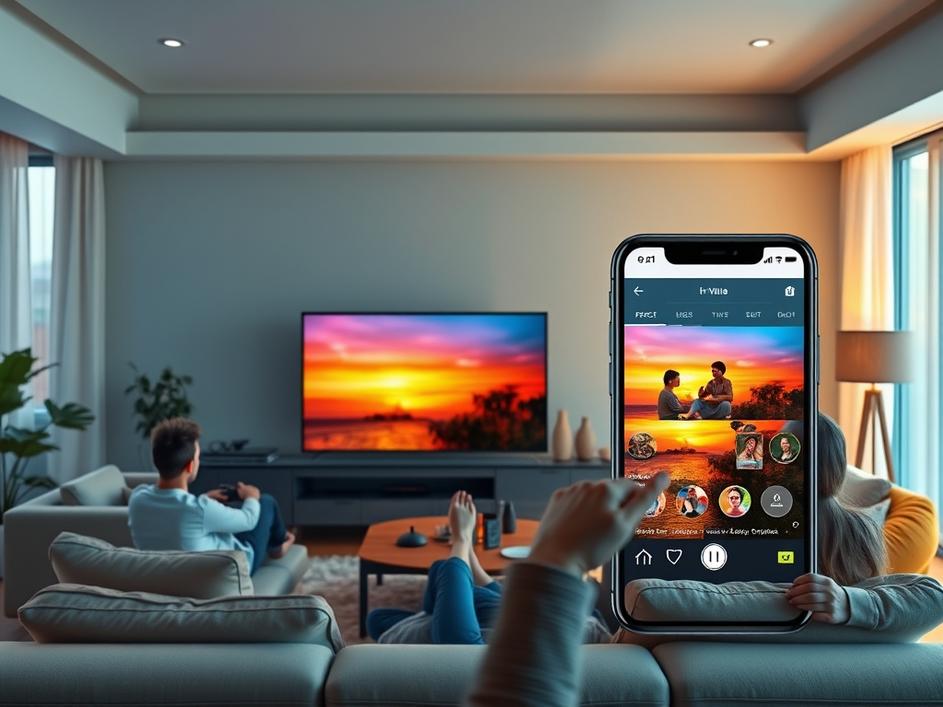
ToggleFor years TV lived in the living room while social apps lived on phones. The two worlds seemed separate, each with its own rhythm. TV offered long‑form, professionally produced shows that families watched together. Social media gave us short, bite‑size updates that we checked alone. Over the last decade the line between them has started to blur. Streaming services introduced binge‑watch habits that feel more like scrolling, and platforms such as TikTok borrowed production tricks from television. At the same time, advertisers began to treat a single Instagram story the way they once bought a 30‑second TV spot. The result is a hybrid media environment where the audience expects the polish of TV and the immediacy of social feeds in the same moment.
Instagram’s latest push feels like a deliberate step toward the TV space. The platform now supports longer video formats, interactive shopping overlays, and even live‑to‑air shows that can be scheduled like a primetime program. Features such as Reels Remix let creators stitch together clips in a way that mimics a TV montage, while the new “Watch Party” mode lets dozens of users tune in simultaneously, comment in real time, and react with emojis that appear on screen. Instagram also rolled out a “carousel of episodes” that lets a brand or influencer publish a series of short videos that play automatically, much like a traditional series. All of these tools are designed to keep viewers glued to the app for longer stretches, turning what used to be a quick scroll into a viewing habit that competes with a sitcom.
For people who make content, the shift opens up a lot of room to experiment. Creators no longer have to choose between a polished YouTube series and a fleeting TikTok trend; they can blend both on Instagram’s new canvas. A fashion influencer can launch a weekly “style hour” that feels like a mini‑show, complete with intro music, guest appearances, and live Q&A. A gamer can host a live tournament that streams directly to followers while still inserting short highlight reels that get shared later. The key advantage is that the platform already handles distribution, so creators can focus on storytelling instead of fighting for algorithmic favor. Monetization also improves, as advertisers are willing to pay more for a slot that feels like a TV ad but reaches a highly engaged social audience.
But the blend isn’t all sunshine. When Instagram tries to act like TV, it inherits some of TV’s old problems. The pressure to produce high‑quality, scripted content can drain smaller creators who lack big budgets. Viewers may also feel overwhelmed by the sheer volume of “mini‑shows” that compete for attention, leading to fatigue and a shorter overall attention span. Advertising becomes more intrusive, with pop‑up product placements that interrupt the flow of a story, much like a traditional commercial break. Privacy concerns also rise as the platform gathers more data to target these longer‑form ads. In short, the promise of a richer experience comes with a higher cost in time, money, and mental bandwidth.
Brands need to think like producers now, not just marketers. Instead of dropping a single static post, they can craft a narrative that unfolds over several episodes, each with its own hook and call‑to‑action. The best approach is to keep the tone authentic and interactive, using polls, quizzes, and live comments to keep the audience involved. Brands should also experiment with co‑creating content alongside popular creators, letting the personality of the influencer shape the story. Measuring success will shift from simple likes to metrics like watch time, completion rate, and viewer retention across episodes. Those who treat Instagram as a TV channel will find new ways to build loyalty, while those who cling to old‑school tactics may get left behind.
As the line between television and social media continues to fade, we can expect more platforms to adopt a hybrid model. The next generation of devices may combine a large TV screen with touch‑enabled social feeds, letting families watch a show together while commenting in real time on their phones. For viewers, the benefit is a more personalized, on‑demand experience that feels both familiar and fresh. For creators and brands, the challenge is to stay nimble, keep production costs realistic, and respect the audience’s time. If Instagram can pull off this balancing act, it could become the go‑to place for the kind of “social TV” that defines how we spend our evenings for years to come.
Source: Original Article



Comments are closed