Setting the Scene
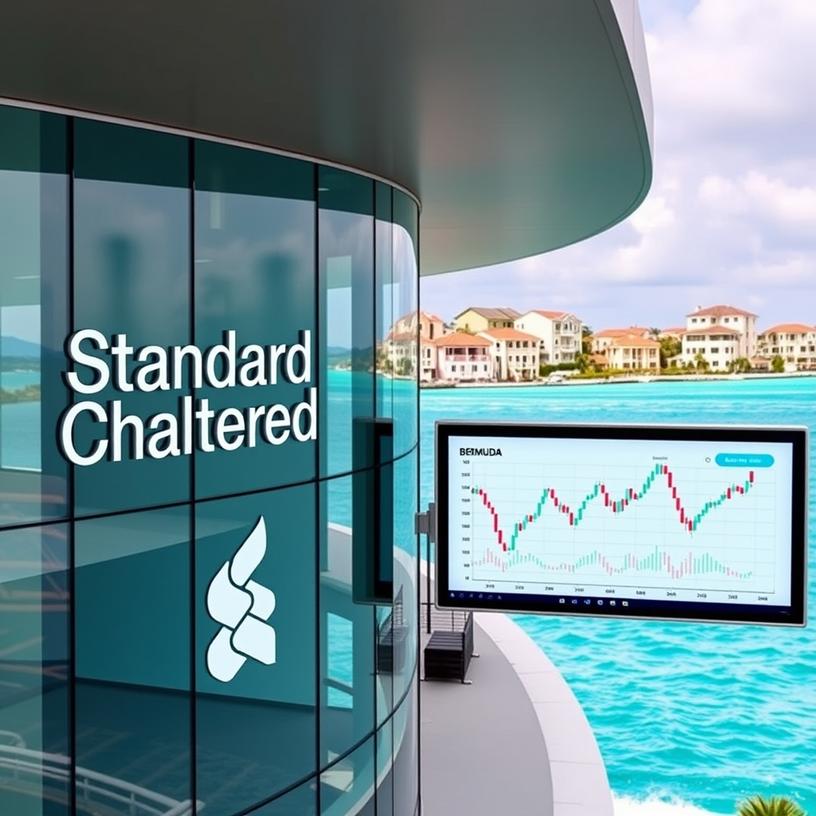
Last week the market saw a quiet but meaningful shift. Standard Chartered announced three offshore share repurchases that added up to roughly £1.12 billion. At the same time, a modest surge in Bitcoin trading on a Bermuda‑based platform reminded us that crypto liquidity still finds its way through small, offshore venues. Both stories are easy to miss if you only watch headline numbers, but together they paint a picture of how traditional finance and digital assets are starting to lean on each other.
What the Buybacks Actually Do
Standard Chartered’s decision to buy back shares offshore is more than a simple cash‑out. By purchasing stock on a foreign exchange, the bank sidesteps some domestic regulatory hurdles and can act faster. The repurchases shrink the pool of shares that float on the market, which usually nudges earnings per share higher. For ordinary investors, that often translates into a modest price bump and a clearer signal that the company believes its own stock is undervalued.
The Bermuda Bitcoin Angle
Across the Atlantic, a Bermuda‑registered exchange reported a noticeable rise in Bitcoin volume. The island’s regulatory environment is friendly to crypto firms, offering a mix of low taxes and a clear legal framework. That makes it an attractive spot for liquidity providers who want to move large blocks of Bitcoin without drawing too much attention. The extra volume isn’t just numbers on a screen; it helps keep spreads tight and makes it easier for institutional players to enter or exit positions.
Why the Two Stories Connect
At first glance, a bank’s share buyback and a crypto exchange’s trading volume look unrelated. Dig deeper and you see a common thread: both are about managing capital efficiently. The bank uses offshore markets to recycle cash into its own equity, while the crypto venue uses its offshore status to attract the capital needed for smooth trading. In both cases, the goal is to improve the experience for investors – whether they hold a traditional share or a digital token.
Implications for Investors
If you own Standard Chartered shares, the buybacks could mean a short‑term boost to your holdings. More importantly, they signal that the bank is confident about its cash flow and wants to reward shareholders directly. For crypto enthusiasts, the Bermuda activity shows that even niche exchanges can provide the depth needed for big players. That could lead to more institutional money flowing into Bitcoin, which in turn might stabilize the price and reduce volatility over time.
Looking Ahead
Both moves hint at a future where the lines between old‑school finance and the new digital economy keep blurring. Banks might start looking at crypto‑friendly jurisdictions for more than just compliance – perhaps as places to test new products or partnerships. Meanwhile, crypto platforms will keep courting traditional finance firms that need reliable liquidity. The real takeaway is that offshore strategies are becoming a toolbox for anyone who wants to move money smartly, whether that money is in pounds or Bitcoin.
Final Thoughts
In a world that often feels dominated by flashier headlines, the quiet actions of Standard Chartered and a Bermuda exchange remind us that real value is built on the back‑office decisions that most people never see. Share buybacks improve shareholder returns, and deep crypto liquidity makes the market healthier for everyone. When both happen at the same time, it’s a signal that the financial ecosystem is maturing – blending the old with the new in ways that benefit the everyday investor.
Source: Original Article






Comments are closed