What sparked the lawsuit?
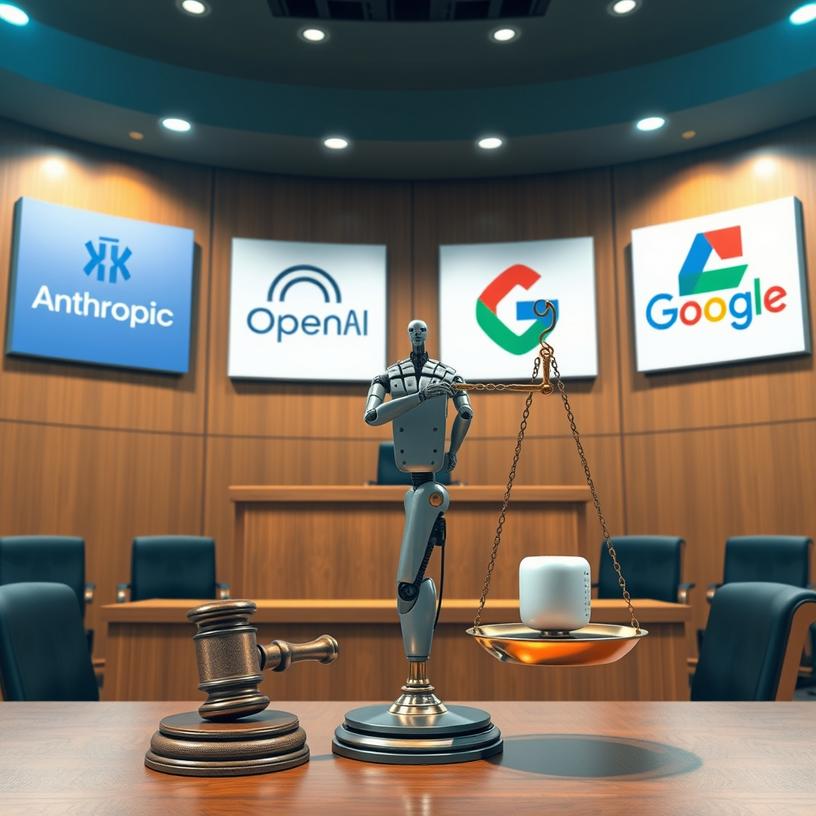
In Sacramento a civil complaint was filed that accuses Anthropic, OpenAI, SpaceXAI and Google of working together to push a coordinated slowdown of AI research. The claim says the four companies met behind closed doors, exchanged ideas about limiting how fast new models are released, and then used that agreement to keep each other from racing ahead. The lawsuit says this behavior hurts competition and gives the firms an unfair edge. It is the latest legal battle that puts the tech giants under a microscope for how they talk about safety and progress.
The call for a “pace” in AI development
The idea of slowing down AI didn’t come out of nowhere. Earlier this year a group of lawmakers, industry experts and even some CEOs urged the sector to adopt a more measured approach. They warned that the speed at which large language models are being built could outstrip society’s ability to understand the risks. The plea was framed as a public‑interest move, not a business strategy. But when the same companies that signed the open letter later appeared to coordinate behind the scenes, the line between safety and collusion blurred.
Why the antitrust angle matters
Antitrust law is all about keeping markets open and preventing companies from making secret deals that hurt consumers. The plaintiffs argue that by agreeing to a common “pace,” the AI firms effectively limited competition. They say the companies could have used the slowdown to protect their market share, keep prices high, and block smaller players from catching up. If a court finds that the coordination was more about business advantage than genuine safety concerns, the penalties could be steep, possibly forcing the firms to change how they handle product releases.
What might motivate the big players?
There are a few reasons why the giants might want to slow things down. First, the cost of training the newest models is huge, and a sudden leap could make older investments look wasteful. Second, a rapid rollout can trigger public backlash if something goes wrong, which could lead to stricter regulation. By moving together, the firms can shape the narrative and set the rules that suit them. At the same time, a coordinated pause could give them a chance to iron out safety checks without losing their lead.
Potential fallout for innovation
If the lawsuit succeeds, it could send a strong signal that any kind of informal agreement, even one framed as safety, might be seen as illegal. Smaller startups could feel nervous about talking openly with larger firms, fearing they might be accused of collusion. On the other hand, a clear legal boundary could push the industry toward more transparent, public discussions about risk. Either way, the balance between protecting the public and keeping the tech pipeline flowing will be tested.
Looking ahead
The case is still early, but it forces us to think about how fast‑moving technology should be governed. We need rules that stop harmful behavior without freezing progress. If courts draw a line that separates safety talks from anti‑competitive conduct, it could become a model for future tech disputes. Until then, the AI world will watch closely, wondering whether a pause is a strategic move or a genuine attempt to keep society safe.
Source: Original Article





Comments are closed