

We are a digital agency helping businesses develop immersive, engaging, and user-focused web, app, and software solutions.
2310 Mira Vista Ave
Montrose, CA 91020

2500+ reviews based on client feedback
What's Included?
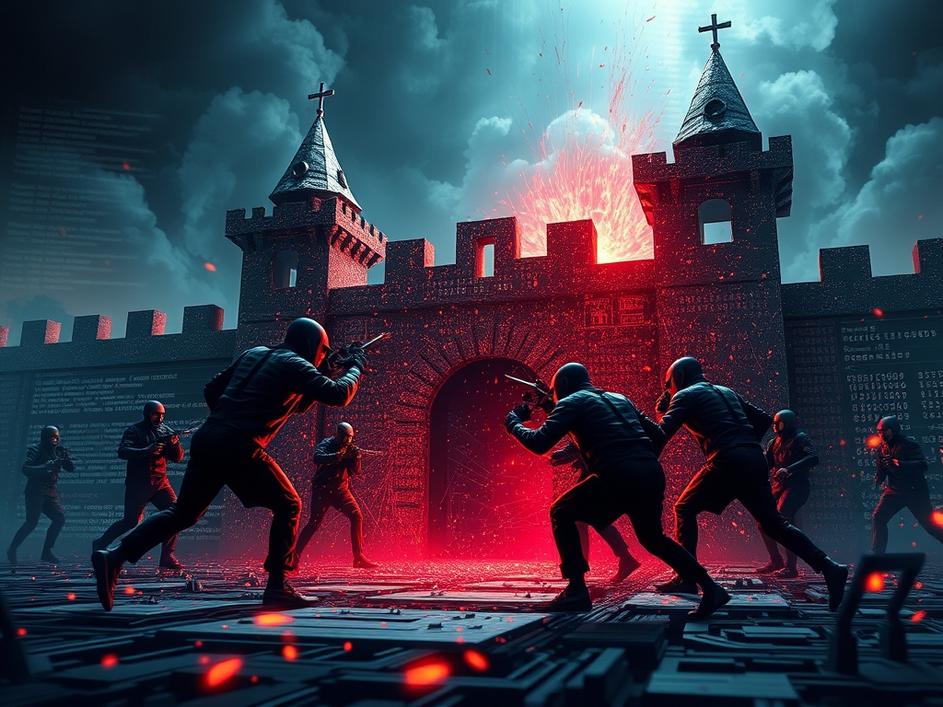
ToggleRansomware attacks are no longer a fringe concern; they’re a mainstream threat. Businesses, governments, and individuals alike are grappling with the increasing sophistication and frequency of these digital assaults. This has led to a growing awareness that simply reacting to attacks isn’t enough. Prevention and preparedness are now paramount, and that realization is fueling a burgeoning market for ransomware preparedness assessments. A recent report suggests this market will continue to grow significantly between 2025 and 2030, highlighting a critical shift in cybersecurity strategy.
So, what exactly does a ransomware preparedness assessment entail? It’s more than just running a vulnerability scan. These assessments offer a comprehensive evaluation of an organization’s security posture, identifying weaknesses that ransomware attackers could exploit. This includes analyzing network infrastructure, data backup and recovery procedures, employee training, and incident response plans. The goal is to provide a clear picture of an organization’s resilience and offer actionable recommendations for improvement. The rise of this market indicates a proactive approach to cybersecurity, with organizations acknowledging the need to continuously evaluate and strengthen their defenses.
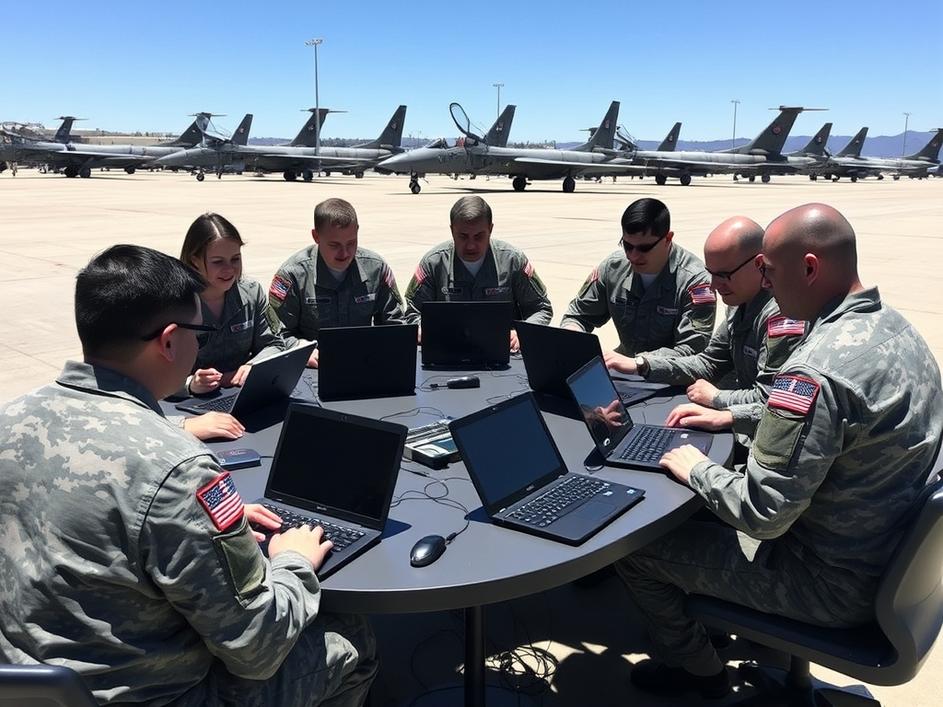
While technology plays a vital role in ransomware defense, preparedness assessments also emphasize the human element. Many successful ransomware attacks exploit human error, such as clicking on malicious links or falling victim to phishing scams. Therefore, assessments often include evaluating employee awareness and training programs. Are employees able to identify phishing attempts? Do they understand the importance of strong passwords and multi-factor authentication? Furthermore, assessments examine the effectiveness of incident response plans. Does the organization have a clear plan for containing and recovering from a ransomware attack? Regular testing and updates to these plans are crucial for minimizing the impact of an incident.
Several factors are driving the growth of the ransomware preparedness assessment market. Fear is a major motivator, as organizations witness the devastating consequences of successful attacks, including data loss, financial damage, and reputational harm. Compliance is another key driver. Many industries are subject to regulations that require organizations to implement robust cybersecurity measures. A thorough ransomware preparedness assessment can help organizations demonstrate compliance and avoid penalties. Finally, the cost of inaction is a significant factor. The cost of recovering from a ransomware attack can be substantial, including ransom payments, downtime, data recovery expenses, and legal fees. Investing in preparedness assessments can help organizations avoid these costly consequences.
The ransomware threat landscape is constantly evolving, and preparedness assessments must adapt accordingly. As attackers develop new tactics and techniques, assessments will need to incorporate the latest threat intelligence and best practices. We’ll likely see greater emphasis on proactive threat hunting, which involves actively searching for indicators of compromise within an organization’s network. Artificial intelligence (AI) and machine learning (ML) will also play an increasingly important role in preparedness assessments, automating tasks such as vulnerability scanning and threat detection. The future of ransomware preparedness involves a continuous cycle of assessment, remediation, and adaptation, ensuring organizations are always one step ahead of the attackers.
While large enterprises often dominate cybersecurity headlines, it’s crucial to remember that small and medium-sized businesses (SMBs) are also prime targets for ransomware attacks. Often lacking the resources and expertise of larger organizations, SMBs are particularly vulnerable. This presents both a challenge and an opportunity for the ransomware preparedness assessment market. There’s a need for affordable and accessible assessment solutions tailored to the specific needs of SMBs. By providing these businesses with the tools and knowledge they need to protect themselves, the market can play a critical role in mitigating the overall ransomware threat.
The cybersecurity insurance market is also closely intertwined with the ransomware preparedness assessment market. Insurance providers are increasingly requiring organizations to undergo preparedness assessments as a condition of coverage. This is because insurers recognize that organizations that proactively manage their cybersecurity risk are less likely to suffer a costly ransomware attack. By incentivizing preparedness, insurers are helping to drive adoption of assessment services and improve overall cybersecurity posture.
It’s important to emphasize that ransomware preparedness assessments are not simply a checkbox exercise. The goal is not just to complete an assessment and generate a report, but to build true resilience against ransomware attacks. This requires a commitment to continuous improvement, ongoing training, and a culture of security awareness. Organizations that approach preparedness assessments as an opportunity to strengthen their defenses, rather than simply meeting a requirement, will be best positioned to withstand the evolving ransomware threat.
The projected growth of the ransomware preparedness assessment market underscores a fundamental shift in how organizations approach cybersecurity. No longer can businesses afford to be reactive. Investing in preparedness is now a necessity, not a luxury. By understanding their vulnerabilities, strengthening their defenses, and empowering their employees, organizations can significantly reduce their risk of falling victim to a ransomware attack. As the threat landscape continues to evolve, the importance of proactive preparedness will only continue to grow.


Comments are closed