

We are a digital agency helping businesses develop immersive, engaging, and user-focused web, app, and software solutions.
2310 Mira Vista Ave
Montrose, CA 91020

2500+ reviews based on client feedback
What's Included?
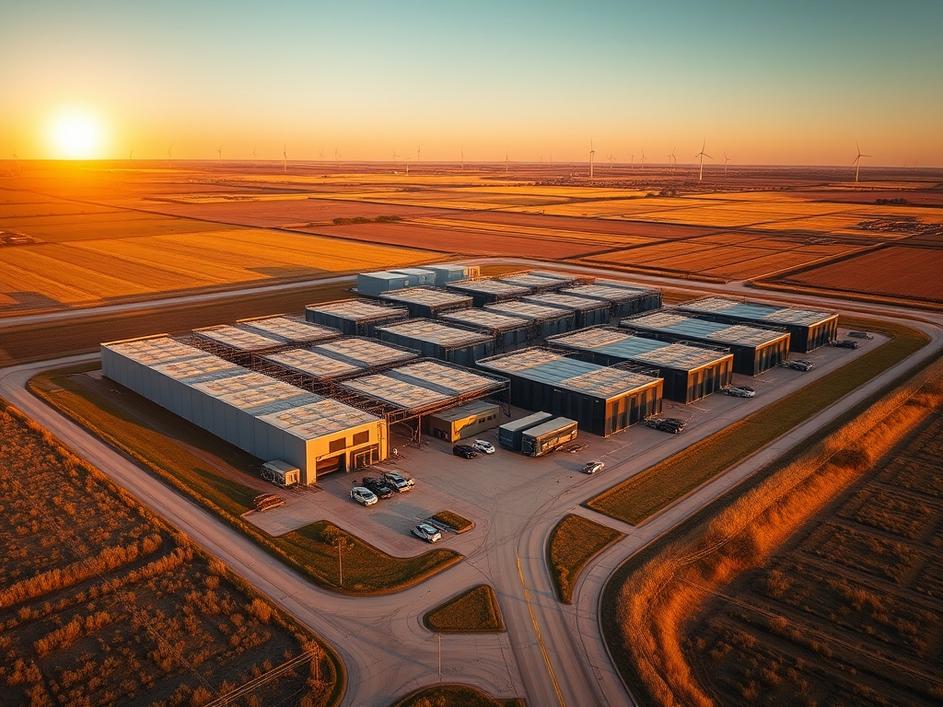
ToggleGoogle’s planning a massive $40 billion investment in new data centers across Texas. Forty billion dollars! That’s not pocket change; it signals a huge commitment to the state’s technological future and a belief in the continued growth of the digital economy. It also speaks volumes about the strategic importance of Texas as a hub for data infrastructure. This investment isn’t just about building shiny new buildings; it’s about creating jobs, attracting talent, and solidifying Texas’s place on the global tech map.
So, why Texas? Several factors likely played into this decision. Texas offers a business-friendly environment, relatively affordable land, and a growing pool of skilled workers. The state’s central location provides good connectivity to both coasts, which is crucial for data transmission. And let’s not forget the abundant (though sometimes strained) energy resources. Data centers are power-hungry beasts, and access to reliable and affordable energy is essential. While renewable energy sources are becoming increasingly important, Texas also has a robust traditional energy infrastructure. This combination of factors makes Texas an attractive location for companies looking to build and operate large-scale data centers.
The immediate impact of this investment will be felt in the form of job creation. Construction jobs, IT jobs, engineering jobs – the list goes on. These data centers will require a workforce to build them, maintain them, and secure them. And it’s not just direct jobs; there will be indirect economic benefits as well. Local businesses will see increased demand for their goods and services, and the influx of workers will boost the local economy. The long-term impact is even more significant. These data centers will support the digital infrastructure that powers countless businesses and services, creating a ripple effect of economic growth and innovation.
While the economic benefits are clear, it’s important to consider the potential social and environmental impacts as well. Data centers consume a significant amount of energy and water. Google will need to work closely with local communities to ensure that these resources are used responsibly and sustainably. Investing in renewable energy sources and water conservation technologies will be crucial. And it’s not just about minimizing negative impacts; Google can also use its presence to support local communities through education and training programs. Investing in STEM education and providing opportunities for local residents to develop the skills needed to work in the tech industry will create a more inclusive and sustainable future.
The location of data centers also has implications for data sovereignty and security. As data becomes increasingly valuable and sensitive, governments are paying closer attention to where it is stored and processed. Having data centers located within a country’s borders can provide greater control over data and ensure compliance with local laws and regulations. And with the increasing threat of cyberattacks, data centers need to be built with robust security measures to protect sensitive information. Investing in advanced security technologies and employing skilled cybersecurity professionals will be essential to maintaining trust and protecting data from unauthorized access.
Google’s massive investment will likely intensify competition in the Texas data center market. Other tech giants, such as Amazon, Microsoft, and Facebook, already have a significant presence in the state. As demand for data storage and processing continues to grow, these companies will likely continue to invest in new data centers and expand their existing facilities. This increased competition will benefit consumers and businesses by driving down prices and improving the quality of services. However, it will also put pressure on resources, such as land, water, and energy. Careful planning and coordination will be needed to ensure that these resources are used sustainably and efficiently.
This investment is a clear indicator of the growing importance of data in our lives. It’s a recognition that data is the lifeblood of the modern economy and that access to reliable and secure data infrastructure is essential for innovation and growth. It also highlights the strategic importance of Texas as a hub for the digital economy. As more and more businesses and services move online, the demand for data storage and processing will only continue to grow. Google’s investment is a bet on the future, a bet that Texas will continue to play a leading role in the digital revolution.
Ultimately, Google’s investment in Texas is a reminder of the power and responsibility that comes with technological innovation. These data centers have the potential to drive economic growth, create jobs, and improve people’s lives. But they also have the potential to strain resources and create new challenges. It’s up to Google, and the other tech companies investing in Texas, to ensure that these technologies are used responsibly and sustainably, and that the benefits are shared by all.



Comments are closed