What Just Happened?
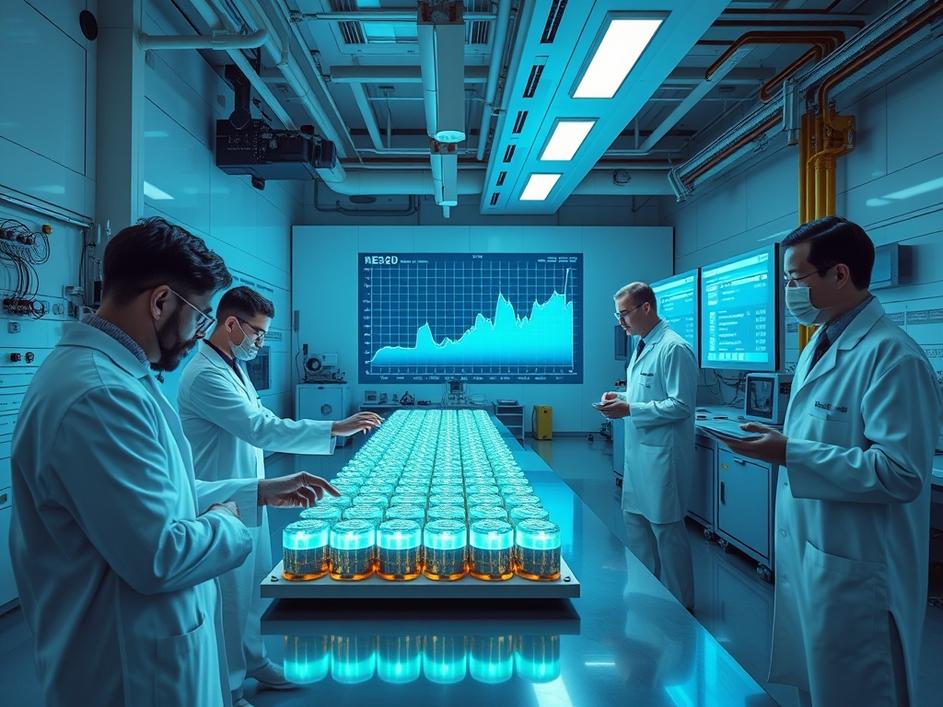
Yesterday, a research team from a university in Germany announced a prototype of a battery that can store twice the energy of today’s best lithium‑ion cells while charging in just a few minutes. The news spread quickly across tech blogs and mainstream media. It feels like the kind of breakthrough that could finally make electric cars as convenient as gasoline ones. The team says the secret lies in a new solid‑state electrolyte mixed with a nanostructured cathode. It’s still a prototype, but the numbers they shared are hard to ignore.
Why It Matters
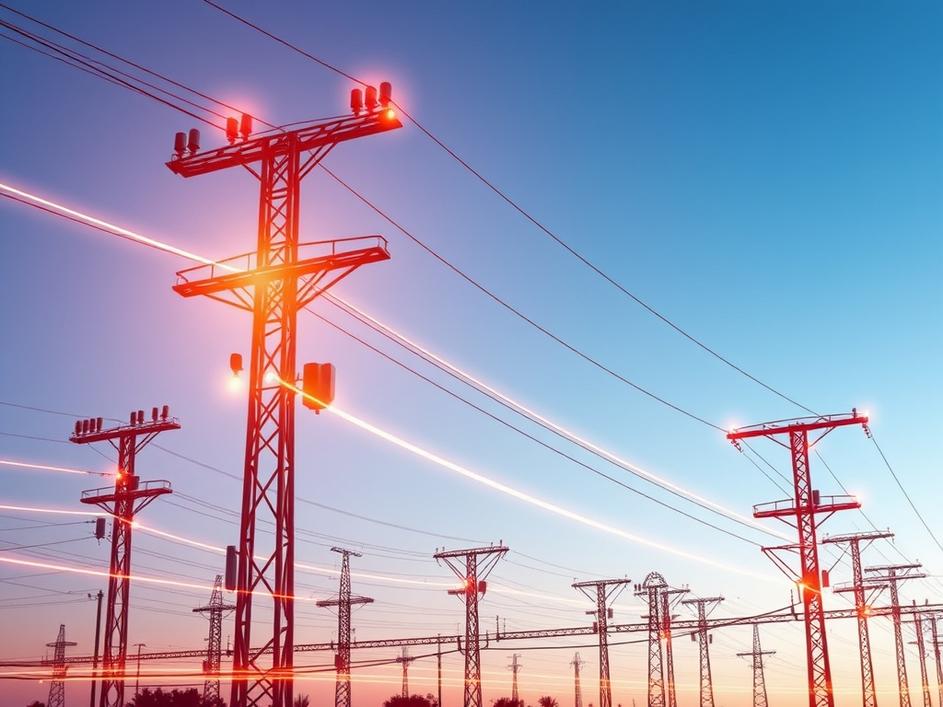
Right now, most of the talk about clean energy focuses on solar panels and wind turbines. Those are great, but they need good storage to be truly useful. If you can’t store the power you generate, you end up with waste. A battery that holds more energy and charges faster could smooth out the gaps in supply and demand. It would also lower the pressure on the grid during peak hours. In everyday life, it could mean longer trips between charging stops for electric vehicles, and fewer worries about running out of juice on a long road trip.
How the Tech Works
The scientists used a solid‑state electrolyte made from a glass‑like material that lets ions move quickly without the flammable liquid found in traditional cells. On top of that, they engineered a cathode with tiny pores that increase the surface area where reactions happen. Think of it like adding more lanes to a highway so traffic can flow faster. The result is a cell that can be charged to 80 percent in under ten minutes and still keep its capacity after thousands of cycles. The team also reported that the battery works well across a wide temperature range, which is a big plus for real‑world use.
What It Could Change
If the prototype moves into mass production, we could see a ripple effect across several industries. Car manufacturers might design larger, lighter vehicles because they no longer need to pack huge battery packs. Renewable energy farms could store more of the power they generate, making wind and solar more reliable for utilities. Even consumer electronics could get a boost—imagine smartphones that last days on a single quick charge. The economic impact could be huge, creating new jobs in manufacturing and reducing dependence on raw materials like cobalt, which has its own supply chain issues.
My Take on the Hype
It’s easy to get swept up in the excitement of a headline, but I think it’s worth staying a bit skeptical. Scaling a lab‑scale prototype to a factory line is a massive challenge. There are cost, safety, and regulatory hurdles that can slow things down. Still, the underlying science looks solid, and the team has already filed patents and partnered with a battery maker. If they can keep the performance numbers while bringing the price down, we could be looking at a genuine shift rather than just another flash in the pan.
Looking Ahead
All things considered, this development feels like a step in the right direction. It doesn’t solve every problem, but it nudges the whole system toward a more flexible, cleaner future. I’ll be watching the next few months closely to see if the prototype moves beyond the lab. If it does, we might finally have a battery that lets us store renewable energy at scale without the current compromises. That would be a big win for the planet and for anyone who’s tired of worrying about the next charge.



Comments are closed