

We are a digital agency helping businesses develop immersive, engaging, and user-focused web, app, and software solutions.
2310 Mira Vista Ave
Montrose, CA 91020

2500+ reviews based on client feedback
What's Included?
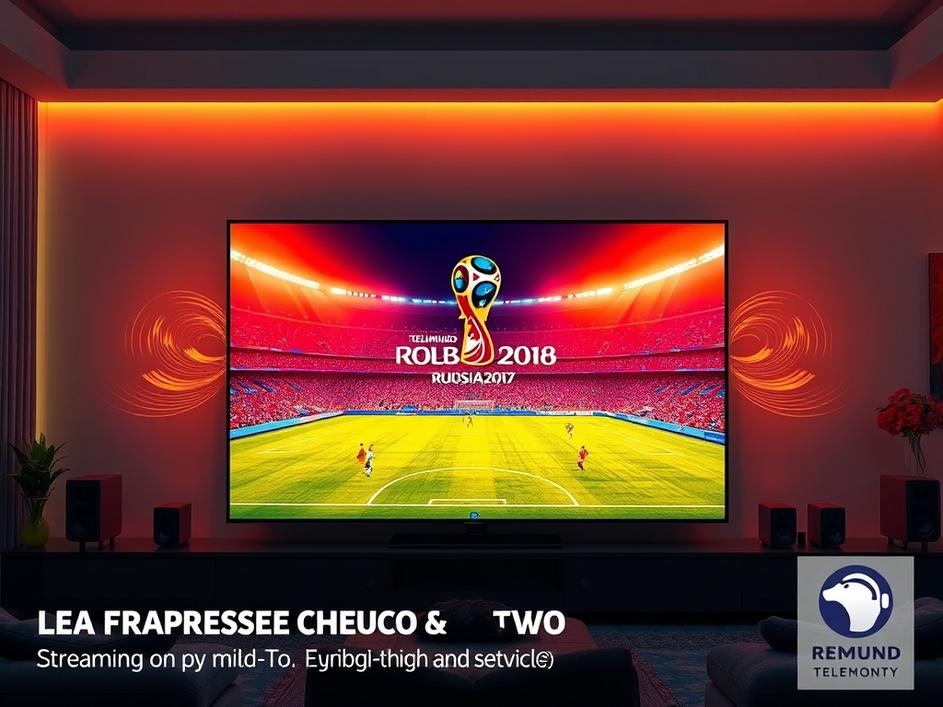
ToggleThe world will watch the next FIFA World Cup a bit differently, at least on the streaming side. Telemundo’s live Spanish-language coverage will ride on Dolby Vision and Dolby Atmos as it streams on Peacock. That is a streaming-first move for a tournament of this size, and it’s not just about fancy tech. It’s a signal that live sports can be presented with more cinema-like quality in the comfort of a home or on the go. Dolby Vision promises brighter colors, punchier blacks, and more visible detail in every frame. Dolby Atmos aims to place sound around you so the stadium feels bigger than your screen. When you add Dolby AC-4, the audio can adapt well to different devices and network conditions. For Spanish-speaking fans who rely on Telemundo, this could make key moments feel closer than ever, even if you’re watching on a phone during a commute. It’s a bold bet on how people want to experience live sports now.
Dolby Vision is all about color and contrast. It helps uniforms pop, grass tone look richer, and lighting stay consistent even as the action moves fast. The result is scenes that feel more like the real moment rather than a flat broadcast image. Dolby Atmos adds space to the sound. You hear the ball strike the boot, the whistle, and the crowd in a way that can come from different directions. Dolby AC-4 helps the stream handle audio across devices, from high-end speakers to a phone headset, so the experience remains coherent even if your setup changes. The goal is that the big play doesn’t get lost in transmission. Of course, the benefit shines on HDR-capable screens and Atmos-enabled sound systems. On older devices, you still get a clean feed, but the dramatic edge may not be as pronounced. It’s a careful balance between quality and accessibility.
Streaming-first coverage changes who can watch and how they watch. Peacock becomes the hub for a big soccer event, alongside traditional broadcasts. It opens the door to more on-demand extras, interactive graphics, and perhaps more language options for Telemundo’s audience. For viewers who prefer to watch on mobile, this approach makes sense. It also sets a higher bar for production quality across streaming platforms. But there are tradeoffs. Live streams can face latency, which may slightly delay replays or post-match analysis. Some homes won’t have HDR-capable TVs or fast connections, so the full effect won’t reach everyone right away. Still, this move fits with a broader push toward premium streaming of major sports. It’s not just about making things look better; it’s about making the experience feel closer to being at the game.
Sharper visuals and richer sound can draw viewers in for longer. A more compelling stream can justify higher ad values and better sponsorship storytelling. Peacock can offer more immersive ad formats, while Telemundo can reach households that cut the cord or rely on streaming devices. The streaming setup also means easier access on multiple devices, from smart TVs to tablets in a bedroom. But there are costs. Higher quality streams use more bandwidth, which can matter for data caps or slower connections. It’s a reminder that tech isn’t free; it has to be funded, either by subscriptions or ads. For advertisers, this is a chance to align with a more engaging viewing experience. For fans, it’s a trade-off between quality and data use, depending on their setup.
Telemundo’s World Cup coverage is a chance to push premium tech into Spanish-language sports broadcasting. Streaming on Peacock can broaden access to a high-end feel without needing a traditional cable bundle. This could help more households enjoy the event in their preferred language track with clearer audio. The combination of Dolby’s video and audio helps preserve the energy of the stadium while keeping the commentary clear. Accessibility features, captions, and language options become more important when the delivery relies on streaming. If the tech scales well, it could set a template for how other multilingual broadcasts balance quality and reach. It invites viewers to think about what a live game should sound and look like, not just what it costs to watch.
If this works as planned, other leagues and networks may follow suit. The World Cup is a high-stakes test, but it also acts as a showcase for streaming technology. The real test will be consistency across markets, devices, and network conditions. Viewers should expect a high bar for image color, lighting, and sound clarity, but the experience should remain accessible. This isn’t about replacing traditional broadcasts overnight; it’s about expanding the options for fans who want to watch in a different way. For me, it’s a hopeful sign that live sports can push tech forward without turning the game into a distraction. If Peacock and Telemundo can deliver this reliably, it may push more sports brands to consider similar upgrades, one match at a time.


Comments are closed