

We are a digital agency helping businesses develop immersive, engaging, and user-focused web, app, and software solutions.
2310 Mira Vista Ave
Montrose, CA 91020

2500+ reviews based on client feedback
What's Included?
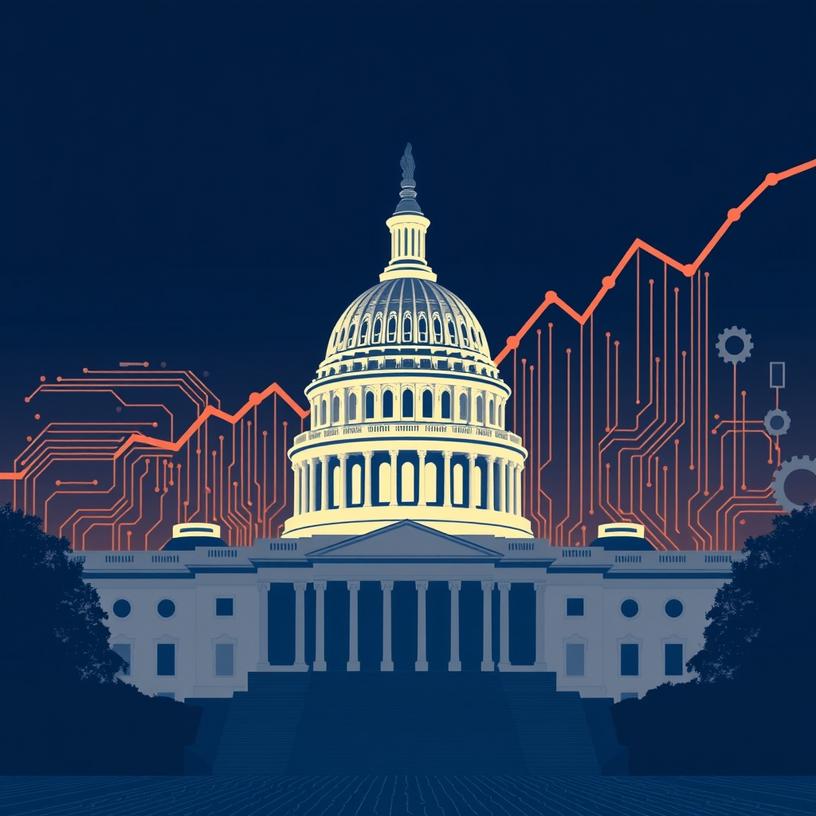
ToggleOpenAI is asking Congress to consider a nationwide, legally binding safety framework for artificial intelligence. The goal is to replace a patchwork of guidelines with clear requirements that apply to big and small players alike. A federal rule would spell out what counts as safe, how to test systems, and how to monitor them after launch. The organization says it wants to work closely with lawmakers to shape a bill that is practical and easy to follow. Supporters see a level playing field and predictable timing for investment. Critics warn about cost, complexity, and the danger of rules that don’t keep pace with fast tech progress. The big question is whether a federal standard can be precise enough to guide action without slowing important work down.
In Washington, safety and accountability are moving up the policy ladder. Lawmakers worry about the power of large models and the risks they pose to people and institutions. A national rule could set testing standards, require clear disclosures about model limits, and create channels to address problems when they appear. There’s broad talk across parties about keeping innovation alive while protecting the public. The challenge is writing rules that are specific enough to matter but flexible enough to stay useful as technology shifts. A single nationwide standard would also simplify compliance for firms that operate across states or borders. For now, much of the debate will hinge on the details, the cost, and how enforcement would actually work.
Markets that try to price policy outcomes reacted quickly to the news. Some crypto-linked betting venues adjusted odds on the bill’s passage, signaling that investors expect regulation to emerge and to shape corporate behavior. That’s a reminder that AI policy can echo far beyond tech labs. Yet odds moves can ride on speculation as much as on solid facts. A draft bill is just the starting point; the real work comes in committee, with revisions and negotiations. Still, the move suggests a hunger for clarity. If a nationwide standard takes hold, it could cut through the current mess of different requirements and make life easier for global operators. On the downside, new rules could raise costs or slow the rollout of new AI tools, especially for smaller outfits. The crypto angle shows how AI policy touches finance and risk as well as code.
Expect the usual suspects: risk assessment, safety testing before rollout, and ongoing monitoring after launch. Rules could require transparency about data sources and model capabilities, plus clear accountability when harm occurs. Independent audits, post-market surveillance, and whistleblower protections might be part of the package. Enforcement could sit with federal agencies or a dedicated regulator, with penalties for noncompliance. A big design choice is scope: would rules apply only to the largest models or extend to smaller tools used in critical services? Might there be exemptions for research or low-risk uses? Many drafts push for governance around updates so teams can fix flaws without creating new harm. The balance will be hard: too little guardrails invites risk; too much can slow useful work and push development overseas.
A clear national standard can boost trust in AI in everyday life and in business. Companies can plan ahead instead of chasing shifting requirements. It could push international conversations about responsible AI and nudge other countries to raise their own standards. For smaller labs, the costs and admin work will be real, but thoughtful rules can create a safer space to grow. The danger is that compliance becomes a hurdle or crowds out bold experimentation. A one-size-fits-all approach may miss sector differences. A smarter path could mix guardrails for high-risk uses with lighter rules for low-risk tools. The link to crypto is practical: if AI aids risk checks in finance, better safety standards could improve reliability. In short, policy should protect people while leaving room for real invention to happen.
This debate marks a shift from talk in seminars to proposals in Congress. A well-designed federal framework could set a steady course for safe AI and give people more confidence in new tools. It might also help the U.S. stay competitive if safety rules go hand in hand with clear pathways for responsible development. Done poorly, the plan could add costs, slow progress, and push work to places with looser rules. The next steps need input from technologists, regulators, businesses, and communities affected by AI. Clear definitions, workable enforcement, and a plan to update as models evolve will matter. The moment asks for realism: start with practical rules, test them, and adjust. AI touches many parts of life, so safety rules are about more than tech. They’re about trust, accountability, and the direction we choose for building intelligent tools.



Comments are closed