

We are a digital agency helping businesses develop immersive, engaging, and user-focused web, app, and software solutions.
2310 Mira Vista Ave
Montrose, CA 91020

2500+ reviews based on client feedback
What's Included?
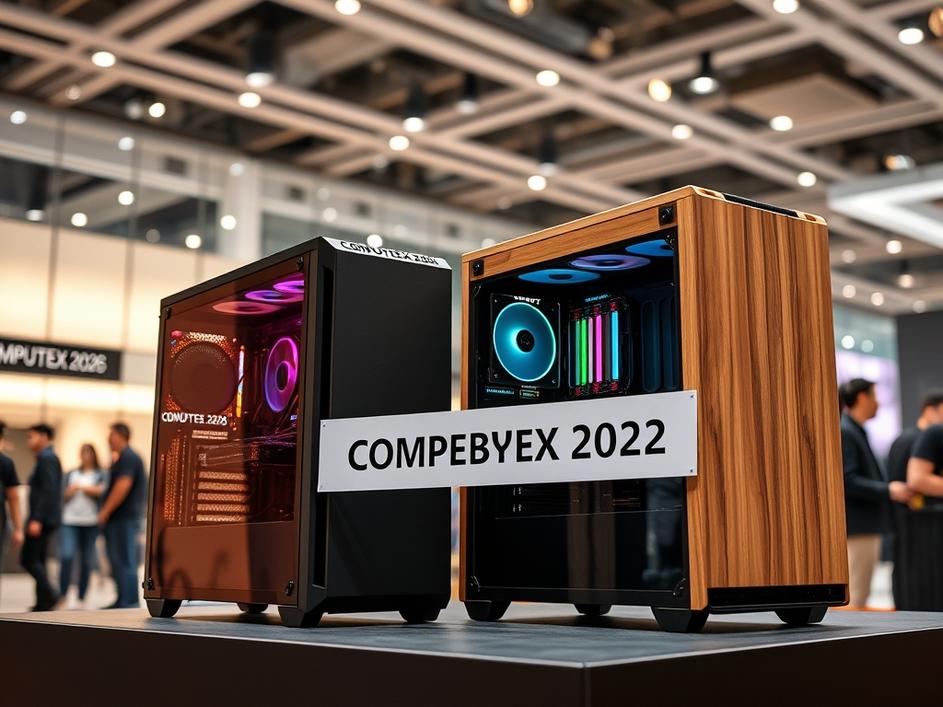
ToggleGIGABYTE’s COMPUTEX 2026 display leans into how a PC fits a room, not just how fast it runs. The company shows two distinctive builds to illustrate that the look of a PC matters in today’s DIY scene. One is a stealthy black machine with hidden cables, soft edges, and a muted finish. The other uses a warm wood veneer that invites touch and warmth. Both are assembled to look like part of a home, not a lab bench. The message is clear: aesthetics are a selling point as much as processing power. Builders and buyers want gear that feels like it belongs in their space, not something that just sits on a desk. That mindset shifts how people pick cases, materials, and finishes.
The stealth-inspired build emphasizes restraint over flash. The case uses matte black panels and tight cable routing. You see fewer cables, more clean lines, and a sense of calm. The cooling system stays mostly out of sight, with fans chosen for low noise and steady airflow. This approach helps the rig blend into a living room or office without drawing attention. It also makes maintenance easier, since fewer cables means easier access. For many buyers, a quiet PC is a real win. It allows longer work sessions or late-night gaming without the room feeling like a fan festival.
The wood-clad build offers a different kind of appeal. It uses natural tones, grain patterns, and a tactile finish that stands out in a sea of metal. This choice isn’t just about looks; it signals a shift toward making PC hardware feel like furniture. The wood veneer can soften the tech edge and invite a broader audience, including people who care about decor as much as performance. Of course, materials need to stay durable and fire-safe, so the design balances beauty with practical considerations like heat management and long-term finish. The result is a PC that can double as a display piece in a studio or living room.
PC builders today care about more than specs. People want builds that tell a personal story. A case is a canvas, and the chosen materials send a signal about taste and values. The COMPUTEX moment shows that brands are treating cases as design objects, not just housings for parts. That shift opens doors for smaller shops and independent modders who offer unique finishes, custom panels, or hybrid materials. It also raises questions about price and repairability. If a build uses premium wood or complex paneling, can it be repaired without losing the look? These are practical concerns that the community will figure out through real-world use.
The emphasis on aesthetics aligns with a broader trend: PC builds becoming part of home decor. People want gear that blends in, not sticks out. We may see more modularity, easier cable management, and better integration with smart home gadgets. Materials like wood, glass, and composites could become more common in high-end builds. Designers will chase finishes that resist fingerprints and still feel premium. At the same time, performance remains essential. Efficient cooling, compact form factors, and energy use will keep pushing the field forward. The event shows that makers balance beauty with practicality, not just chasing wow factor.
Seeing these two paths side by side sparks ideas. If you DIY at home, you don’t have to pick one route. You can mix stealth elements with wooden accents, or tailor a design to a room’s color and texture. The real lesson is to think about how your PC will live in its space. Cable routing, surface materials, and finish durability all matter. Also pay attention to how a build ages. A calm, well-built system can stay relevant longer than a flashy, trend-driven one. COMPUTEX 2026 reminds us that good taste in PC building is less about chasing trends and more about choosing parts and finishes that you’ll still like years from now.



Comments are closed