

We are a digital agency helping businesses develop immersive, engaging, and user-focused web, app, and software solutions.
2310 Mira Vista Ave
Montrose, CA 91020

2500+ reviews based on client feedback
What's Included?
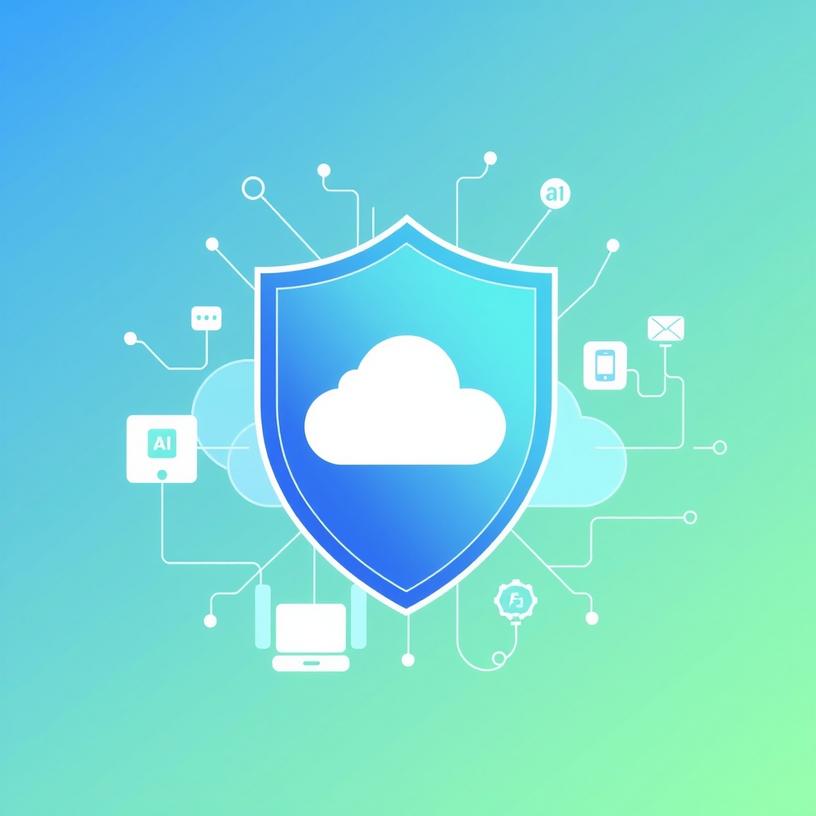
ToggleF5 Networks is moving beyond its classic role of speeding up apps. The company is rolling out AI-focused security tools as part of its cloud offerings. The goal is to guard applications as they run in private data centers and across multiple clouds. Investors have watched FFIV stock drift as the AI security story grows more ambitious. Some think the move is priced in; others see a longer-term play in protecting AI-powered apps and the ecosystems around them. F5 argues the real value isn’t in one gadget but in a connected set of protections that fit alongside modern cloud-native apps and the teams that run them.
F5’s Distributed Cloud Bot Defense is the centerpiece for now. It aims to spot automated traffic and distinguish it from real human use. It works with API gateways, apps, and cloud services to reduce bot-driven fraud, credential stuffing, and abuse. The system uses signals from app behavior, IP reputation, and device posture to assign risk scores. In real time, it can throttle or block suspicious activity, while letting legitimate users through with smoother experiences. That balance matters because high false positives can frustrate legitimate customers, while too-slow responses invite abuse. For firms already using F5’s security stack, this could be a natural extension rather than a separate tool.
Another thread is Workforce AI Security, which aims to guard endpoints and the people using them. The idea is to monitor devices, assess risk, and integrate with identity systems. Real-time risk scoring can help security teams decide when to prompt for multi-factor authentication or restrict certain actions. The approach fits with hybrid work patterns, where people access apps from various devices and networks. It also nods to governance concerns, since organizations want to know which devices pose the biggest risk and how that risk evolves as people move between locations. This is not a magic fix, but a practical layer that sits with existing security controls.
In practice, F5 is selling a more connected security story. It can tie together app delivery, API security, and identity management with new AI-powered checks. For IT teams, that could mean fewer point tools and more of a unified dashboard. For developers, there’s a chance to bake security into CI/CD pipelines as apps go live. And for multi-cloud shops, it helps keep consistent policies across environments. The challenge will be getting the data flows right. Security tools often fight with network teams and logging systems, and a smooth rollout requires careful planning, change management, and clear ownership.
The AI security space is crowded, with big players pushing similar ideas. F5’s edge is its strong focus on application delivery and its footprint across enterprise networks. If the new tools live up to promises, they could help F5 defend a broader slice of the security budget, especially among customers already using its products. Still, competition is fierce from outfits that started in cloud security and have deeper automation and threat intel. The question for investors is whether F5 can convert product momentum into steady growth and durable margins, or if the stock will keep bouncing with AI hype cycles.
There are practical hurdles to a big security rollout. Data policies and privacy rules mean vendors must guard user data carefully, especially when monitoring devices and user behavior. False positives can erode user trust and raise support costs. Costs can add up when adding new AI engines and cloud services, and there’s always the risk of vendor lock-in. Finally, broader cooling in tech markets could slow enterprise adoption of new security tools, even if they are well designed. F5 will need to prove value through real-world wins and clear ROI, not just a flashy marketing push.
In the end, F5’s move is a reminder that security sits at the center of modern apps. The combination of Bot Defense and Workforce AI Security could help businesses tighten control without sacrificing performance. It’s not a magic cure, and it won’t fit every client. But for organizations building AI-enabled, cloud-native apps, this approach offers a hygiene layer that aligns with how teams actually work today. If F5 keeps integration tight, delivers predictable results, and partners well with customers, it could become a dependable piece of the security stack rather than a speculative bet tied to AI buzz. That seems worth watching as the year unfolds.


Comments are closed