

We are a digital agency helping businesses develop immersive, engaging, and user-focused web, app, and software solutions.
2310 Mira Vista Ave
Montrose, CA 91020

2500+ reviews based on client feedback
What's Included?
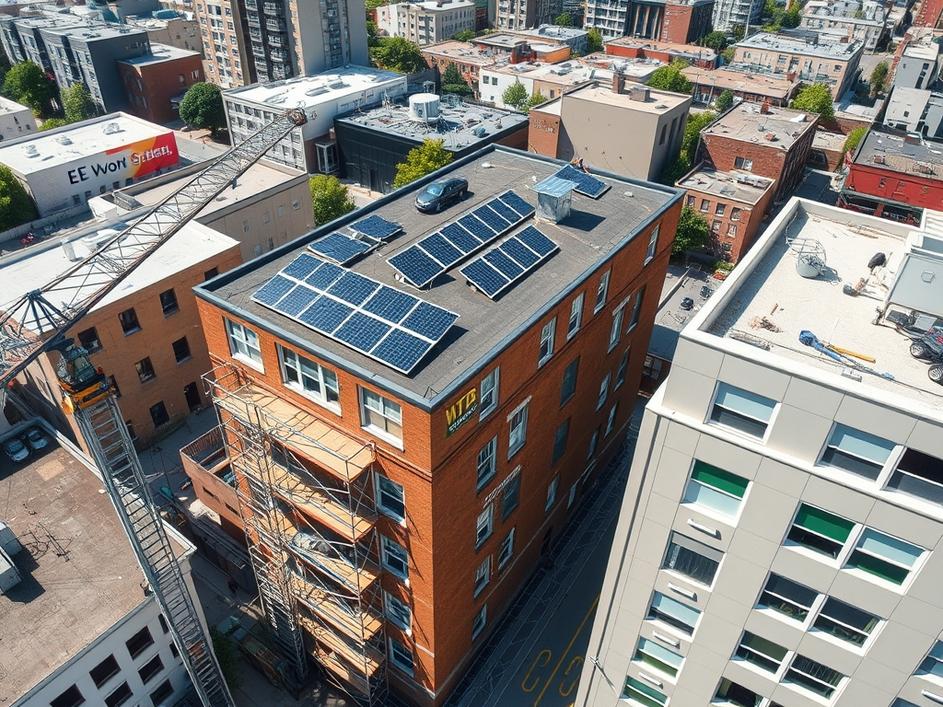
ToggleThe city council has approved a sweeping energy retrofit program. The aim is simple: lower energy use in buildings and cut bills for families. It relies on green bonds and phased funding over ten years. The plan covers schools, libraries, city halls, and other public spaces first, then invites private owners to join with incentives. The headlines say this could reshape the town. My read is that it is a serious bet on aging rooms, not a gimmick. If they pull it off, the city could see smaller bills, sturdier buildings, and cleaner air. If costs overrun, taxpayers could feel the pressure. It is a big move that invites scrutiny, patience, and a shared sense of responsibility in a time when climate action is urgent.
The plan is supposed to help people at the end of the meter. Grants and rebates will cover upgrades like insulation, better windows, and efficient heating. There are steps to help renters and low income households so they are not left paying the bill. City officials say costs will be shared and benefits will come as lower energy bills over time. Construction will be staged to limit disruption, but there will be noise, road closures, and some weeks of repairs. The risk here is fair access. If well run, the program can close gaps in energy cost and comfort. If not, it might widen them. So people will be watching how the city allocates funds and who gets help first.
Beyond pipes and shingles, this plan hopes to build local capacity. It promises training for apprentices, job placement for residents, and steady work for small firms. The effect could be a long term boost to local labor markets and pride in neighborhoods that often feel overlooked. But training takes time, and contracts must be fair. Local firms should not be used just for show. The city should insist on proper wages and safe jobs. If done right, this program becomes more than a set of upgrades. It becomes a ladder for people to build better careers and stronger communities.
Judges will look at numbers and stories. Energy use, bill reductions, and air quality will be tracked across buildings. The city also wants to show what works and what does not. Public dashboards, open data, and regular audits should be standard. This is the kind of transparency that earns trust. It is easy to say the plan will save money. It is harder to prove it month after month. The second layer is comfort. If rooms stay warmer in winter and cooler in summer without felt drafts, residents notice. Real benefits come when people feel the plan changes their daily life for the better and not just on a receipt.
No plan is perfect. Some worry about debt and interest payments tied to bonds. Others fear overrun costs or pushing too much work into private hands. There is also concern about displacement if property values rise where upgrades happen. Officials say they will cap costs for tenants and protect vulnerable residents. Oversight will be key. A city this size needs checks, balances, and clear rules. If the program stalls, borrowed money becomes a burden. If it works, it becomes a model for other towns. The truth is somewhere in between: careful planning, honest communication, and steady follow through.
This news comes with a mix of hope and doubt. In a time when battles over climate policy feel loud, local action still matters. A retrofit plan touches homes, schools, and streets. It changes the daily rhythm of life while aiming for a quieter, cleaner future. My take is simple: the city is showing willingness to invest in people and spaces. The real test will be in the details, in the bidding, and in the way residents feel treated as partners. If this plan stays practical, fair, and transparent, it could spark steady progress rather than flashy headlines. And that sense of progress matters more than any single victory.



Comments are closed