Why the buzz around industrial AI matters
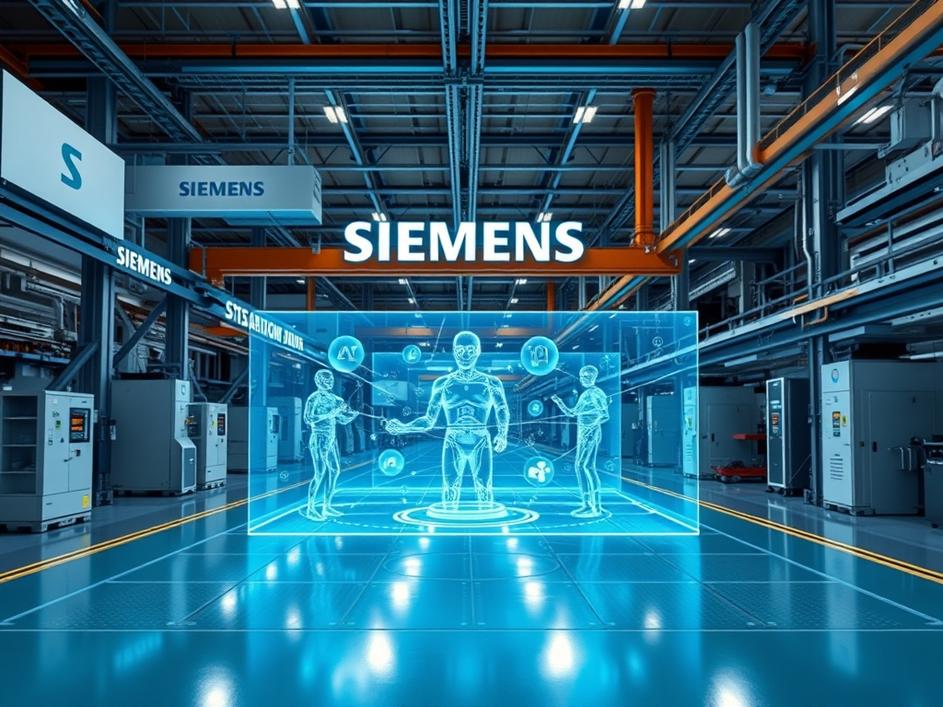
When you hear about AI in a factory, it can sound like a sci‑fi story. In reality, the technology is getting real‑world traction. Companies are trying to move past small experiments and actually run AI tools on the shop floor every day. That shift is hard because the old ways of testing in a lab don’t match the mess and speed of a live production line. Siemens is trying to close that gap with a new platform that puts AI agents right next to human workers, letting them share tasks without a big learning curve.
What Intelligence Center X brings to the table
Siemens calls its offering Intelligence Center X, and it works like a control hub for many different AI models. Instead of each department building its own solution, the center lets a single team upload, monitor, and update models that can be called from any machine or robot. The system also adds a layer of governance, so managers can see who is using which model and how it is performing. In plain terms, it is a toolbox that helps factories keep AI organized and under supervision, which is something many plants have missed so far.
Hybrid workforce: humans and agents side by side
The idea of a hybrid workforce isn’t about replacing people with bots. It’s about letting a software agent handle repetitive pattern‑recognition while a human focuses on judgment calls. For example, an AI agent can flag a defect in a batch of parts, and a technician can decide whether to stop the line or let it run. By embedding these agents where the work happens, the platform aims to give workers a reliable assistant instead of an unpredictable robot.
From pilot projects to production scale
Most factories have run AI in isolated pilots – a short test on one line, a handful of sensors, a single use case. Those pilots often stall when it’s time to roll them out to the whole plant. The reasons are usually data silos, lack of clear ownership, and the fear of losing control. Intelligence Center X tries to solve that by offering a single pane of glass where every model is tracked, versioned, and can be rolled back if needed. That kind of safety net makes it easier for managers to say yes to a wider rollout.
My take: promise and prudence
Seeing a big player like Siemens push this kind of integrated solution is encouraging. It suggests that the industry is finally treating AI as a production tool, not just a research curiosity. At the same time, I think the real test will be how quickly smaller manufacturers can adopt the platform without huge budgets. If the system is too complex or pricey, it could stay locked in the hands of the biggest players, leaving the rest to keep guessing. The technology also raises questions about data privacy and the role of workers who might feel their jobs are being monitored too closely.
Looking ahead
If the platform lives up to its promise, we could see factories where AI agents are as common as safety helmets. That would mean faster detection of problems, smoother hand‑offs between machines and people, and a more predictable output for customers. But the transition will need clear policies, good training, and a willingness to keep the human element in focus. In the end, the success of Intelligence Center X will be measured not just by the speed of production, but by how well it helps people do their jobs with confidence.
Source: Original Article





Comments are closed