

We are a digital agency helping businesses develop immersive, engaging, and user-focused web, app, and software solutions.
2310 Mira Vista Ave
Montrose, CA 91020

2500+ reviews based on client feedback
What's Included?
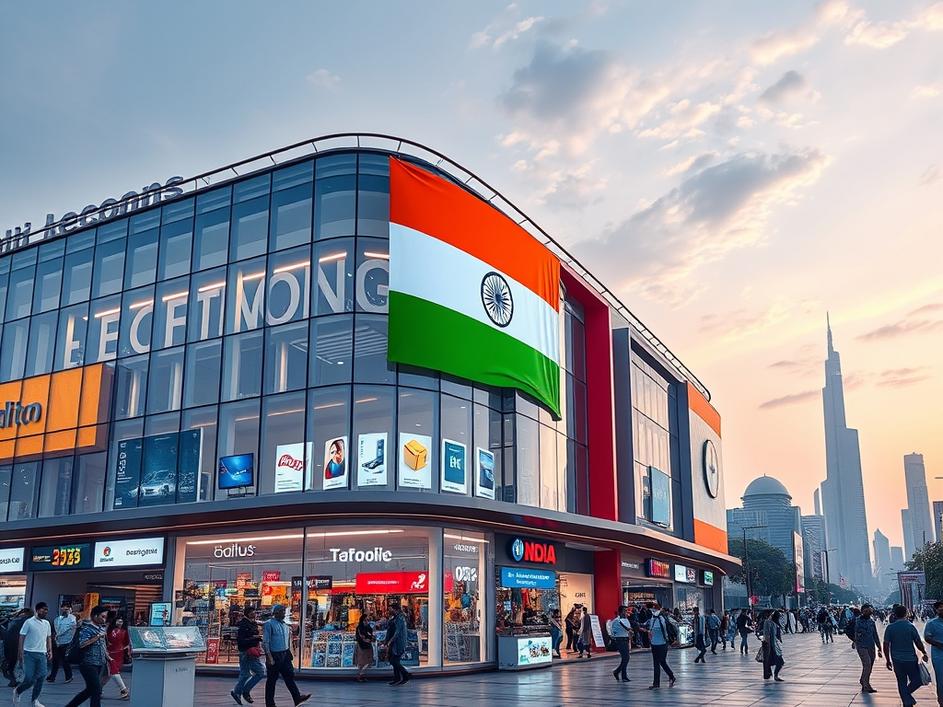
ToggleIndia’s Electronics Mart has been in the news again. The chain that started as a small dealer of consumer gadgets is now a national name. Recent reports say the company is looking beyond its home market. At the same time, tech hubs across the country are watching closely because they fear a ripple effect on local jobs. The story is more than just a business move; it touches on how India’s tech ecosystem balances growth with employment. In this post I will break down what the expansion means, why the fear is real, and what could happen next.
Electronics Mart began in the early 2000s with a single outlet in Bangalore. Over two decades it added dozens of branches, online platforms, and a supply chain that reaches remote towns. Today the brand sells everything from smartphones to home appliances. The latest plan is to open stores in neighboring countries and to set up regional hubs for parts manufacturing. The company says the move will diversify revenue and reduce reliance on a saturated Indian market. For a retailer that grew by listening to local demand, stepping onto a new stage feels like a natural next step.
While the board celebrates growth, many tech parks in cities like Hyderabad and Pune are uneasy. Those parks employ thousands of engineers, sales staff, and service technicians who work with the same products Electronics Mart sells. If the company shifts production or sourcing abroad, those jobs could shrink. Local officials have already asked for impact studies. Workers fear that a bigger, foreign‑focused operation will pull talent away from domestic firms. The anxiety is not just about numbers; it is about community stability and the future of skilled labor in those regions.
The push to explore new markets is driven by several factors. First, competition from global players has tightened margins in India. Second, currency fluctuations make exporting components more attractive. Third, the Indian government’s push for “Make in India” has created incentives for firms to set up production abroad but still label it Indian. All these pressures make diversification a sensible risk management move. From a business point of view, spreading out reduces the chance that a slowdown in one region will cripple the whole company. That logic is sound, even if the human side feels harder to swallow.
Analysts point to Southeast Asia, East Africa, and the Middle East as the most likely targets. Those regions have growing middle classes that want affordable electronics. They also have trade agreements that lower tariffs for Indian goods. Electronics Mart could use its existing logistics network to ship products at lower cost. In addition, the company plans to partner with local retailers to share shelf space, reducing the need for huge capital outlays. If those bets pay off, the firm could see a double‑digit increase in revenue within three years. That would be a big win for shareholders and could set a template for other Indian retailers.
The expansion plan does not have to be a zero‑sum game. The company has hinted at upskilling programs for current staff, focusing on digital sales, supply‑chain analytics, and cross‑border compliance. If those programs succeed, workers could move into higher‑pay roles that support the overseas operations. However, the success of such initiatives depends on funding, management commitment, and clear career paths. Without those, the risk of a talent drain remains high. Communities that rely on the tech hubs will need support from both the private sector and government to smooth the transition.
Electronics Mart’s ambition to go global is a bold step for an Indian retailer. It reflects the pressure to stay competitive and the desire to tap new growth engines. At the same time, the fear of job losses in domestic tech hubs is a reminder that economic moves have human consequences. The best outcome will be one where the company grows while also investing in its existing workforce. If that balance can be found, the story could become a model for other Indian firms that want to expand without leaving their home base behind. Only time will tell how the pieces fit together, but the conversation is already shaping the next chapter of India’s tech landscape.
Source: Original Article



Comments are closed