

We are a digital agency helping businesses develop immersive, engaging, and user-focused web, app, and software solutions.
2310 Mira Vista Ave
Montrose, CA 91020

2500+ reviews based on client feedback
What's Included?
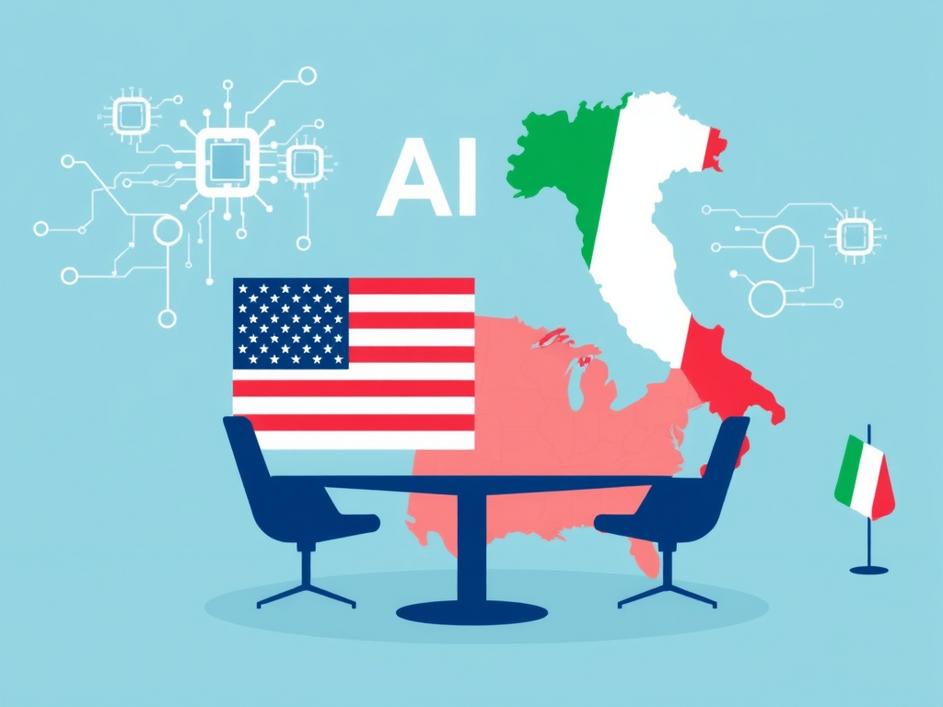
ToggleItaly’s decision to join Pax Silica marks a practical turn in tech policy. The U.S.-led initiative aims to harden AI supply chains by focusing on the most sensitive parts of the tech stack. Think semiconductors, software tools, data pipelines, and trusted partners. The goal is simple in theory: map chokepoints, diversify suppliers, and set shared standards so a political or market shock won’t derail AI progress. For Italy, this is about staying close to friends who shape the rules of the road for modern tech, while still pursuing its own industry goals at home. It also comes after a public rift with a high-profile US figure, a reminder that tech policy and diplomacy live in the same neighborhood. This move isn’t just about security; it’s about influence and staying in the room where decisions are made.
Pax Silica is really about risk and resilience. Right now a handful of players can control critical pieces of the AI pipeline, and a disruption can ripple through hospitals, banks, and factories. The plan calls for clearer rules on where tech comes from, stronger checks on who supplies key components, and faster responses when things go wrong. It pushes for more diverse sourcing and more transparent security practices. It also nudges governments and firms to invest in domestic or trusted foreign manufacturing where possible. The big test is how these rules work across borders and how fast they can adapt to new chips and tools. Italy’s entry signals a willingness to participate in that governance rather than watch from the sidelines.
There are clear economic incentives. Being inside Pax Silica can give Italian firms earlier access to security patches, standards, and collaboration that helps scale AI safely. It could attract investments in Italian startups and lure tech firms to set up in Italy, drawn by a reliable ecosystem. On security, joining helps reduce fragility in sectors that rely on AI for critical services. Politically, it ties Rome more closely to Washington and other like-minded democracies. It also places Italy in the middle of EU conversations about data, privacy, and AI ethics while keeping a finger on transatlantic collaboration. The question isn’t whether to cooperate, but how to balance EU rules with an American-led framework.
The move hints at a pragmatic stance: protect interests by aligning with trusted partners, while continuing to push for Europe’s own rules on privacy and fair competition. For the EU, this adds pressure to harmonize security with the single market’s openness. It could speed up joint efforts in AI safety, cyber defense, and crisis response. Yet there’s a risk of creating a two-speed world where allies share more, while others drift apart. Italy’s choice might spark more dialogue about keeping trade open and ensuring sensitive tech isn’t used to threaten rivals. It’s a reminder that diplomacy and tech policy walk together, shaping how nations secure digital futures without cutting themselves off from global collaboration.
Pax Silica could help set new standards, but Europe will want to keep its own voice. A big question is how much control is healthy when it comes to exporting AI know-how. Italy’s move could push Brussels to push for clear rules on data flows, safety checks, and human oversight in AI. The goal should be to keep innovation alive while preventing misuse. Collaboration across universities, startups, and government labs will be key. The risk is a market that favors bigger, well‑funded players. If done well, the effort can speed up important work in health, energy, and climate, while still supporting a lively open ecosystem for smaller firms that drive new ideas.
If Italy follows through, we should see hands-on projects next. Look for shared procurement paths, joint testing facilities, and collaborative pilots in critical sectors. Expect funding that encourages cross-border work and a governance setup that includes business, academia, and government voices. The success metrics will be simple: fewer disruptions, quicker responses to threats, and a steady stream of trusted suppliers. There will be hurdles, from budget limits to regulatory checks. Still, the point is clear: build a sturdier AI backbone that serves people without locking the market behind a single flag. Europe gains if it blends security with openness, and Italy could be a steady bridge between allies and the European way of doing things.



Comments are closed