Summer Game Fest Shows a New Tool
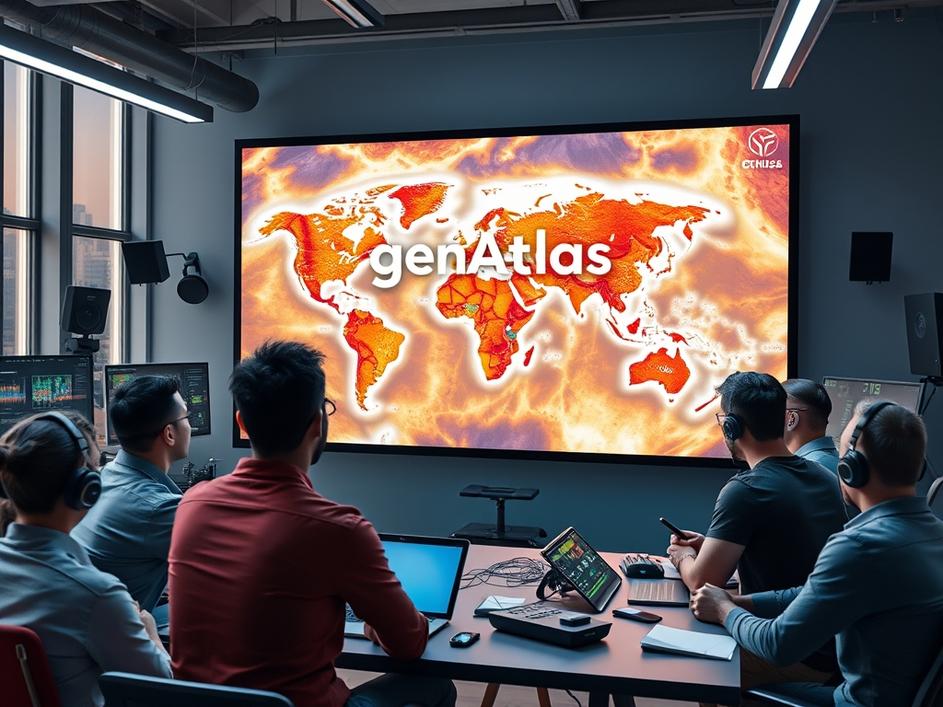
At this year’s Summer Game Fest, the buzz was louder than usual. Among the trailers and announcements, a smaller studio called genDesign took the stage. They rolled out a new product named genAtlas. It isn’t a game you can play, but a piece of software meant to help make games. The demo was short, but it gave a clear picture of what the tool can do. It felt like a fresh set of building blocks for anyone who wants to craft a world, whether they are a solo developer or part of a large team. The reaction from the crowd was a mix of curiosity and cautious optimism.
What genAtlas Actually Is
genAtlas is a kind of map editor, but it goes beyond simple terrain shaping. It lets you design whole ecosystems, lay out cities, and even script basic AI behavior without writing a lot of code. The interface is visual, with drag‑and‑drop elements that snap together. You can import assets from other programs, and the tool will try to match lighting and scale automatically. In short, it aims to reduce the grunt work that usually eats up a developer’s time.
How It Fits With genDesign’s Existing Tech
The company behind genAtlas already offers a suite of design tools under the genDesign brand. Those tools focus on character creation, animation, and UI layout. genAtlas plugs into that ecosystem, sharing the same file format and asset pipeline. This means you can start a character in one program, drop it into a world you built with genAtlas, and see it move around right away. The integration feels smooth, and the developers emphasized that the learning curve should be shallow for anyone who already knows genDesign’s other products.
What It Means for Developers of All Sizes
For indie creators, the biggest win could be speed. Instead of spending weeks building a basic map from scratch, they can pull a template from genAtlas and tweak it to fit their story. That leaves more room for polishing gameplay and narrative. For larger studios, the tool offers a way to keep different departments on the same page. Artists can hand off a world layout that already respects the technical limits set by programmers, reducing back‑and‑forth revisions. The promise is a more unified workflow, which is something many teams struggle with.
Where It Stands in the Market
There are already a few map editors out there, but most of them are either tied to a specific engine or require deep scripting knowledge. genAtlas tries to sit in the middle: flexible enough for big projects, yet approachable for smaller teams. It will have to prove that it can handle the heavy lifting that AAA studios demand, especially when it comes to large open worlds. If it can deliver on that promise, it could become a serious competitor to the built‑in editors of Unity and Unreal, or at least a valuable complement.
Final Thoughts
genAtlas is still early days, and we haven’t seen a full game built with it yet. But the concept feels solid, and the integration with existing genDesign tools is a smart move. If the company keeps listening to feedback and improves performance, it could become a staple in many developers’ toolkits. For now, it’s worth keeping an eye on how the first projects using genAtlas turn out, and whether the community embraces it as a real time‑saver.
Source: Original Article






Comments are closed