

We are a digital agency helping businesses develop immersive, engaging, and user-focused web, app, and software solutions.
2310 Mira Vista Ave
Montrose, CA 91020

2500+ reviews based on client feedback
What's Included?
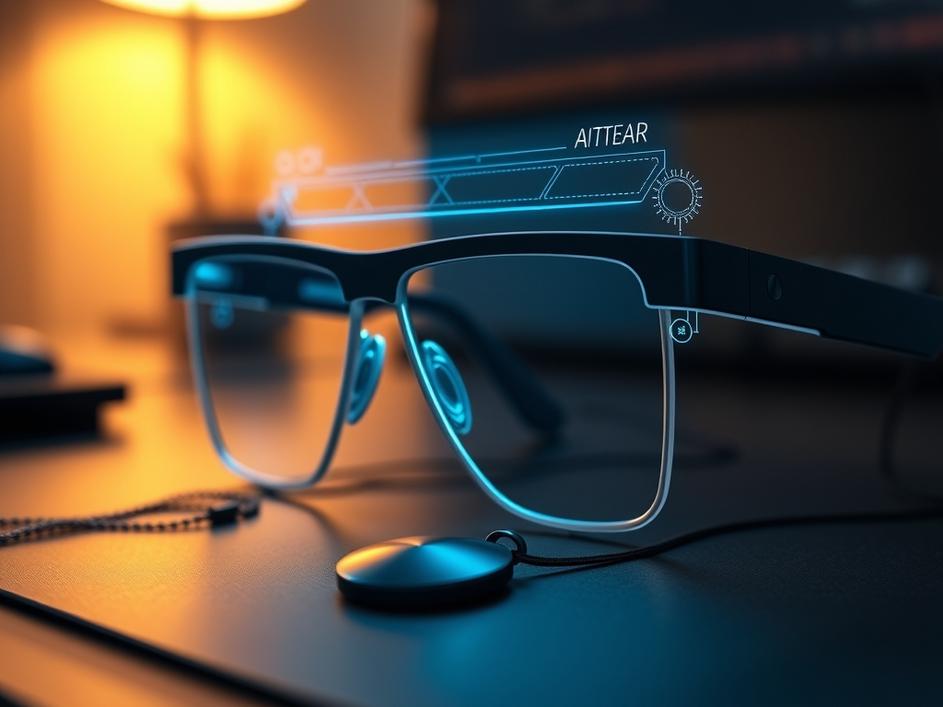
ToggleMeta is not spilling the beans yet, but a leak is fueling a lot of chatter. The documents talk about AI wearables that would sit on your face and around your neck. The glasses would carry a tiny display and sensors; the pendant would be a separate, smaller device close to your chest. The idea is to keep AI close to you as you move through the day, not just inside a phone. If true, Meta would push its AI software into new kinds of hands-free use. It would be a bold shift after years of chasing screens. But leaks are not proof, and the tech world is used to whispers that turn into smooth stone-faced announcements or fades away.
The leak suggests two product ideas, not one. The glasses could show tiny visuals, track where you look, and read the room with cameras and sensors. The pendant would be smaller, maybe handling tasks when you do not want to wear glasses or when you need more privacy. The goal seems to be a system where AI assists you with translation, notes, reminders, and quick answers in real time. If this is accurate, the plan is less about a single gadget and more about a flexible setup that stays with you across places and moments. Still, many questions linger about data, privacy, and how this would actually work day-to-day.
People want help that does not require reaching for a phone. If the AI can translate live speech, summarize a conversation, or pull up a calendar hint while you walk, the everyday workflow could change. The glasses might push tiny, non-distracting bits of info into your view. The pendant could handle tasks when you are grocery shopping or commuting. For Meta, this would tie social features and ads to a hardware layer in a fresh way. It could also push developers to build lighter tools that do not demand a phone. The risk is creating a system that feels more complex than helpful, especially if pairing and updates get in the way.
With cameras and mics in wearables, privacy becomes a big deal. People worry about when they are being recorded and how the data is used. Meta would need strong on-device processing options and clear controls. Users should know what data is saved, shared, or deleted, and when. A setup that relies on cloud processing raises questions about speed and security. If users feel watched or their moves are tracked, trust drops fast. The success of the plan will hinge on transparent behavior and real privacy guarantees, not fancy tech buzzwords. In short, privacy will be the spark that decides whether this goes anywhere.
The hardware piece is tough. Small displays, light weight, long battery life, and safe materials are hard to pull together. Price matters too. If these are expensive, not many people will try them. The pendant option adds flexibility but also another device to manage. The competitive field includes Apple, Google, and others who are thinking about similar ideas. That means Meta would need a strong ecosystem of apps and services to justify the cost. A cautious rollout with developer support, limited early access, and honest feedback would help more than a loud launch. This is not simple, but it is not impossible either.
I want independent tests of battery life, display clarity, and AI speed in real life tasks. I want to hear from developers about how hard it is to build useful features for this setup. Privacy safeguards should be clear—on-device learning, strict data controls, and easy opt-outs. We also need to know how Meta plans to pay for it. Will it be hardware sold with ads, a subscription, or something else? Until there is official information, treat this as an interesting rumor rather than a promise. It is a big idea with many moving parts, and the world will react based on real results, not promises.
Meta’s rumored plan is not a guarantee, but it shows a company trying to keep AI front and center. If the products deliver clear value, protect users’ privacy, and come at a fair price, they could change how we live with tech. If not, they will fade away. For now, the prudent stance is cautious curiosity: wait for official details, watch for real demos, and listen to how real users respond. The next steps will reveal whether Meta can turn ambition into something people actually want to wear and use every day.



Comments are closed