

We are a digital agency helping businesses develop immersive, engaging, and user-focused web, app, and software solutions.
2310 Mira Vista Ave
Montrose, CA 91020

2500+ reviews based on client feedback
What's Included?
ToggleA new city plan aims to remake thousands of old buildings to use less energy. Over ten years, crews would seal walls, upgrade windows, and add smarter heating and cooling. The promise is big: much lower energy bills, cleaner air, and fewer carbon emissions. Officials estimate work on up to 2,000 structures and a potential emissions drop around 40 percent. The cost is high—more than a billion dollars—but supporters say the payoff could come as jobs, local business, and long-term savings. Critics warn that big projects can stall without solid funding and careful oversight. The plan now moves through talks with neighborhoods, unions, and business groups, each watching how the money flows and how fast changes happen.
Residents are at the center of this plan, but not all of them yet. Some upgrades will come with little disruption, like improving insulation in halls and common areas. Others may require temporary scaffolds, noisy work, or rerouted deliveries. Tenants worry about rent bumps during and after the work, while homeowners hope for steadier bills. The city promises protections for low-income renters and a program to help with out-of-pocket costs. The real test will be whether the upgrades reach all neighborhoods, not just the downtown stretch. If the city ignores side streets and older apartments, the plan could widen gaps instead of closing them.
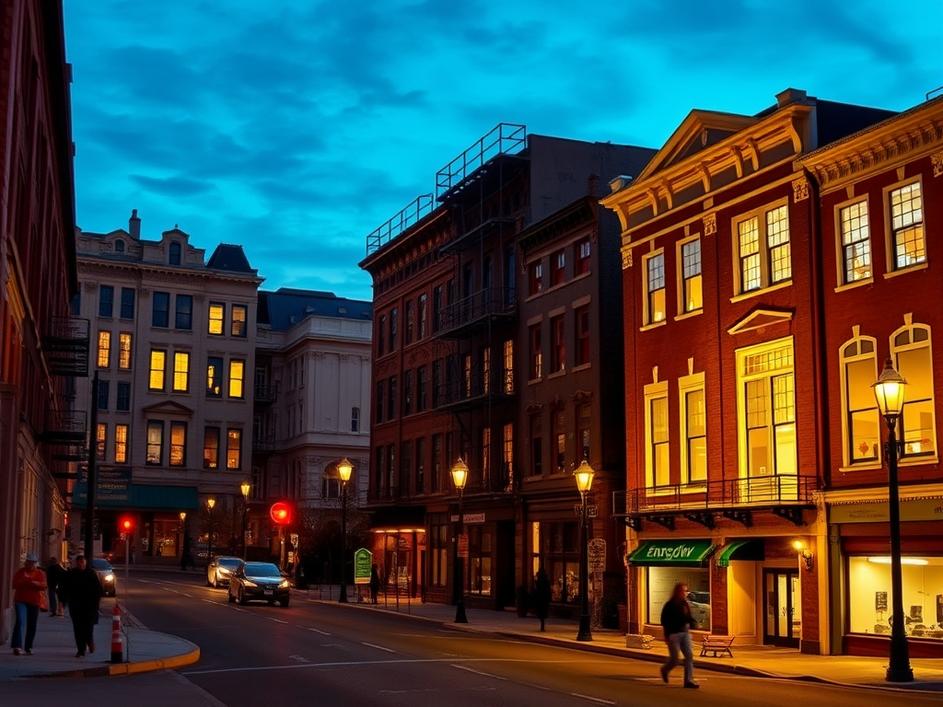
Old brick and ornate facades tell a story. Any upgrade has to respect that story while making the place more efficient. Builders talk about better insulation, modern heating, and smarter controls, but they must decide how much to modernize without changing what makes the buildings unique. For some streets, a full retrofit might require careful restoration of windows or brickwork. The city says it will use guidelines that honor history while adding energy-smart tech. The risk is slowing progress with endless approvals. The hopeful note is that good design can blend beauty with efficiency, and a well-done job can stand for decades, not just a season.
The money comes from a mix of bonds, state grants, and private partners. Citizens deserve transparency on where every dollar goes. The plan includes check-ins, milestones, and independent audits. Without that, costs can creep up, or delays can stretch on. The city argues that upfront public investment will attract private partners and reduce long-term bills for families. Critics ask for clear timelines, a cap on overruns, and guarantees that the most vulnerable residents aren’t left paying the price. If the plan hinges on borrowed money, the next council should know how to steer it back if results stall.
Equity is a central concern. The plan promises to include meetings in different neighborhoods, translation services, and outreach to schools and community groups. Still, people worry about gentrification and displacement if property values rise after upgrades. The city has to balance uplifting buildings with protecting residents who have lived in the area for years. Real listening matters here: presenting data, sharing drafts, and taking feedback seriously. If communities feel heard and some benefits are shared locally, the plan stands a better chance of lasting. If not, it risks becoming a glossy document that never touches the street.
Beyond the dollars and schedules, the retrofit plan asks the city to rethink how it grows. It’s a push toward energy independence, healthier neighborhoods, and a steadier tax base from improved properties. The work could train a new generation of local workers, create steady demand for energy services, and showcase a model other cities might copy. But there are signs to watch: weather, supply chains for materials, and the pace of permit approvals. If the city can keep a realistic schedule and stay honest about costs, this could become a turning point. If not, it could become another unfinished project cluttering the shelf.
I see promise in the plan, but it’s not simple. Energy savings are real when done right, and the public rarely gets to feel the benefit immediately. The real win is a community that works together: residents, workers, and local businesses. The city should insist on small, visible wins early—like updated windows in a few blocks—and use those to build trust. Oversight matters, so independent audits and plain language reports help. If the project stays grounded in fairness and transparency, it can pay off over time. We deserve a city that respects its history while making life a little easier for today’s families.



Comments are closed