

We are a digital agency helping businesses develop immersive, engaging, and user-focused web, app, and software solutions.
2310 Mira Vista Ave
Montrose, CA 91020

2500+ reviews based on client feedback
What's Included?
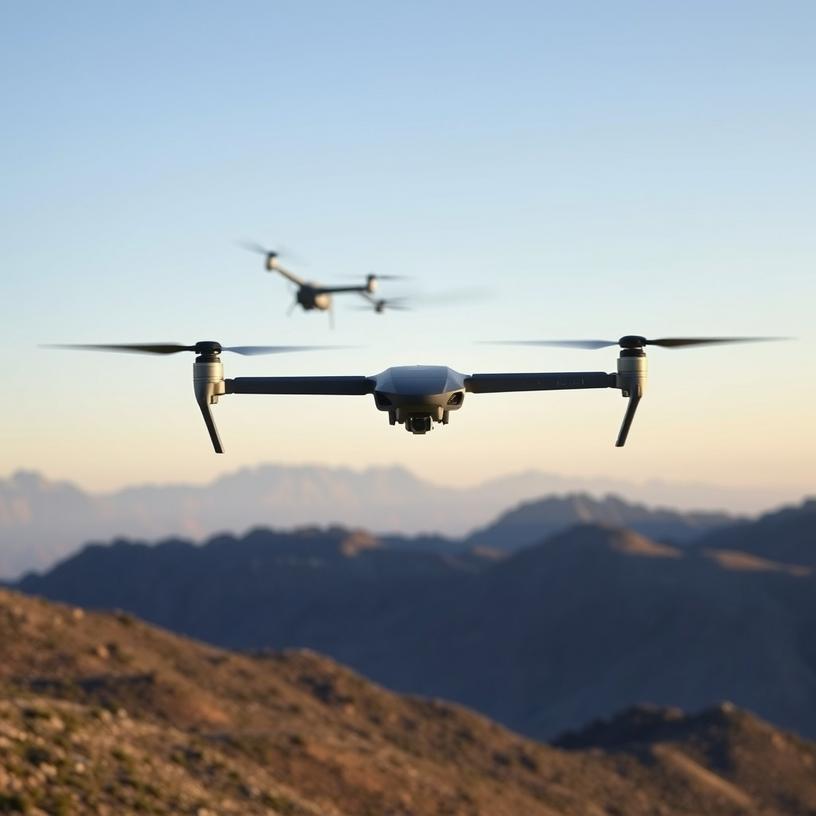
TogglePowerus, a small American drone builder, just signed a memorandum of understanding with the Pakistan Army. The paper says the two sides will work together on a range of unmanned aircraft. It also mentions an initial purchase that will see a few of Powerus’s tactical drones delivered to a Pakistani unit. For a company that has mostly sold to private customers and a handful of NATO allies, this is a big step. The deal puts the firm on a map that includes bigger players like General Atomics and DJI. It also shows that the US defence industry is still looking for new markets in a world where competition is fierce.
The memorandum is not a full contract, but it lays out the basics. Powerus will provide training, maintenance support and a supply chain for spare parts. In return, the Pakistani side will place an order for a limited batch of the company’s short‑range surveillance drones. Those machines are designed for quick deployment, low‑altitude flight and real‑time video streaming. The agreement also mentions joint testing of future models that could carry heavier payloads. Both parties say the MOU is a first step toward a longer partnership, but the details of any future orders are still being negotiated.
Pakistan’s military has been modernising its air‑power for years. It already uses a mix of Chinese and Russian aircraft, but it wants more flexibility for border patrols and counter‑insurgency missions. Small, cheap drones fit that need. They can be launched from a simple vehicle, need little runway time and can stay aloft for several hours. The US offers a reputation for reliability and a supply chain that many buyers trust. For Pakistan, buying from an American firm also sends a diplomatic signal that it is keeping ties with the United States alive, even as it balances relations with China.
This deal could ripple through the South Asian defence market. Neighbouring countries watch each other’s purchases closely. If the Pakistani Army finds Powerus’s drones useful, other forces in the region might start asking for similar systems. That would give a relatively small US company a foothold that could grow quickly. On the other hand, China’s drone makers already have a strong presence in Pakistan. A successful US entry could spark a price competition that benefits the end users. It also shows that the United States is still willing to sell advanced technology to countries that are not part of the traditional NATO circle.
Not everyone is cheering the move. Some analysts worry about technology leakage. Small drones are easier to reverse‑engineer, and critics say that giving them to a country with a mixed procurement record could create security risks. Inside Pakistan, there are voices that question whether the money spent on foreign drones could be better used for domestic development. Powerus also faces the practical challenge of setting up a logistics network far from its home base. If the initial order runs into delays or performance issues, the partnership could stall before it really begins.
The real test will come when the first Powerus drones touch down on Pakistani soil. If they perform as promised, the MOU could turn into a multi‑year contract and open doors to more sophisticated platforms. If not, the story may end as a footnote in a long list of defence deals that never fully materialised. Either way, the agreement highlights how smaller defence firms are trying to carve out niches in a crowded market. It also reminds us that geopolitics still plays a big role in where and how technology spreads. Only time will tell whether Powerus’s gamble pays off, but the eyes of the region will be watching.
Source: Original Article



Comments are closed