

We are a digital agency helping businesses develop immersive, engaging, and user-focused web, app, and software solutions.
2310 Mira Vista Ave
Montrose, CA 91020

2500+ reviews based on client feedback
What's Included?
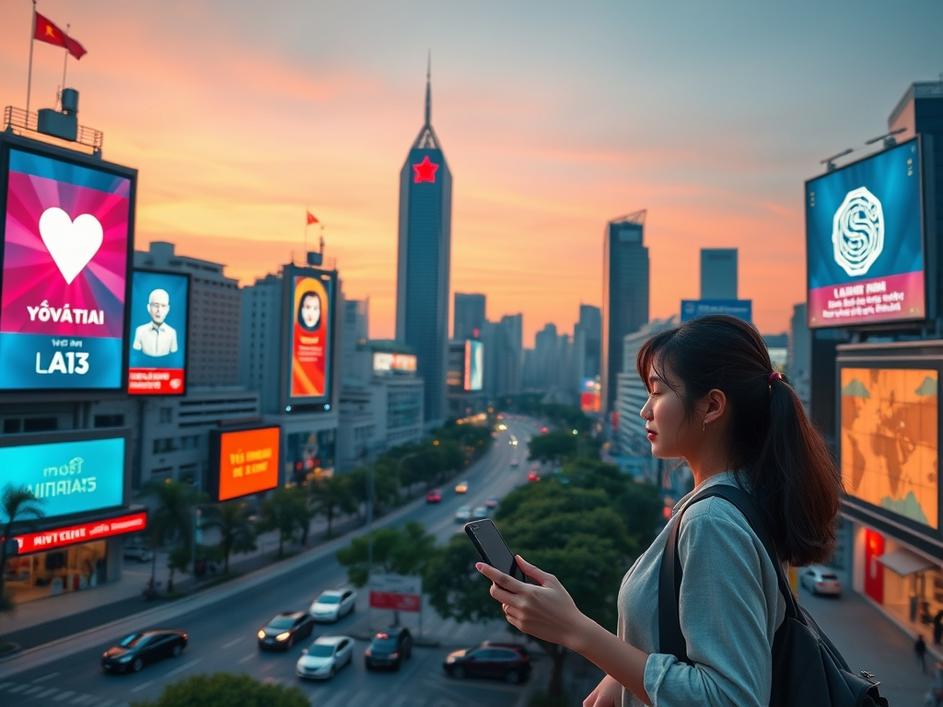
ToggleVietnam’s ruling party has always kept a tight grip on the narrative. For decades it used newspapers, radio and TV to tell the story it wanted citizens to hear. Now the same goal is being chased with Instagram reels, TikTok clips and AI‑written posts. Recent documents show officials are mapping out how to pull in popular creators and use machine‑learning tools to freshen up their messaging. The shift is not just about keeping up with the times. It is about reaching younger people who spend most of their day online, and doing it in a way that feels natural rather than forced. The party’s media arm is treating these platforms like new battlegrounds, where the old playbook needs a digital upgrade.
The timing feels right. Vietnam’s economy is growing fast, and the middle class is expanding. With more disposable income comes more time spent scrolling. At the same time, the government sees a rise in content that questions official policies, especially around issues like land rights and environmental protection. The state media leaders say the old top‑down approach is losing its punch. They want a hybrid model where trusted voices on social media amplify the same messages that appear on state TV, but with a friendlier tone. It’s a way to keep control while looking like they are listening.
According to the leaked plan, the party will identify influencers with large followings in the 18‑35 age range. These creators will be offered incentives such as travel grants, sponsorship deals and even special access to government events. In return, they will be asked to sprinkle approved talking points into their posts. The idea is not to turn them into mouthpieces, but to let them add a personal spin that feels authentic. The documents mention a “soft‑sell” strategy: the influencer talks about a new park, a community project, or a cultural festival, while subtly highlighting the party’s role in making it happen. The approach hopes to blur the line between genuine enthusiasm and state‑driven messaging.
Artificial intelligence is being positioned as the engine that will keep the content flowing. The plan outlines the use of language models to draft captions, suggest hashtags and even generate short videos that can be edited by influencers. There is also talk of using AI to scan the internet for trending topics, then quickly produce counter‑narratives that align with official policy. Some of the more advanced ideas involve deep‑fake technology to recreate historical figures delivering modern messages, though the documents stress a “strict ethical review” before any such material is released. The goal is clear: produce a steady stream of polished, on‑trend material without overburdening the party’s own staff.
For everyday users, the line between state‑approved content and organic posts may become harder to see. When a favorite creator talks about a new government‑funded sports complex, the audience might take it as a personal recommendation rather than a political cue. That can shape opinions without the usual sense of being told what to think. Critics worry this could erode trust in online spaces, making it tougher for independent voices to stand out. On the other hand, some see it as a pragmatic step: if the state wants to stay relevant, it has to speak the language of the internet. The real test will be whether the audience can spot the subtle nudges or simply accept them as part of everyday scrolling.
Vietnam is not the first country to experiment with influencer‑driven messaging, but the combination of a tightly‑controlled party and cutting‑edge AI makes this effort stand out. It could become a model for other governments that want to modernize their outreach without loosening their grip. For observers outside the region, the development is a reminder that technology is a double‑edged sword. It can empower citizens, but it can also be turned into a more sophisticated form of persuasion. As the line blurs, the onus will be on users to stay curious, question the source of what they see, and keep a healthy dose of skepticism. Only then can the digital space remain a place for genuine conversation rather than just another echo chamber.


Comments are closed