

We are a digital agency helping businesses develop immersive, engaging, and user-focused web, app, and software solutions.
2310 Mira Vista Ave
Montrose, CA 91020

2500+ reviews based on client feedback
What's Included?
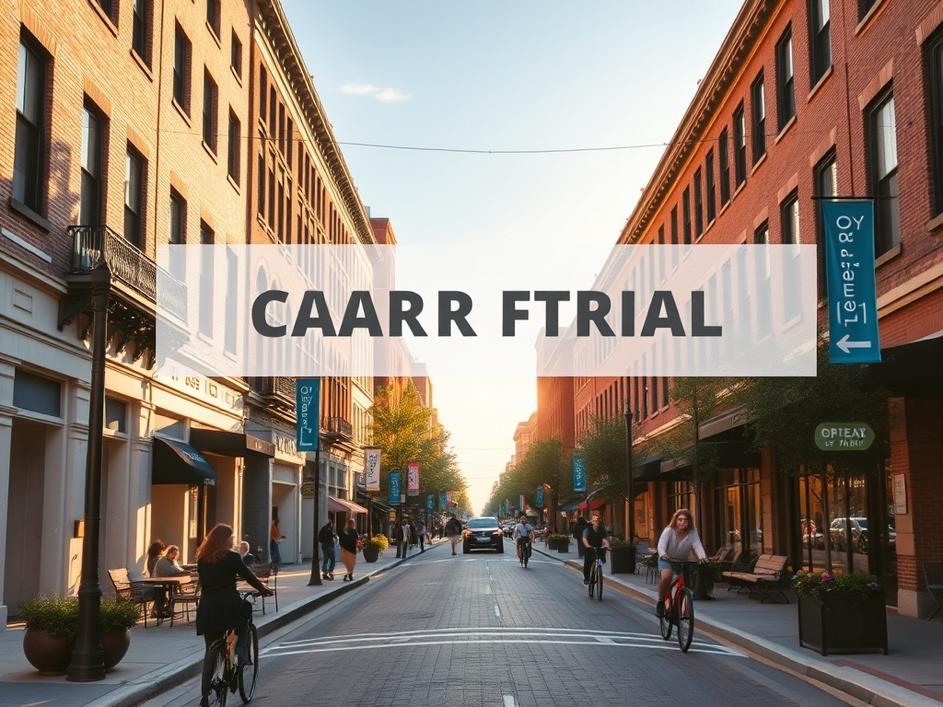
ToggleThe city of Riverbend announced a six-month trial that bans most cars from its core streets on weekdays. The goal is simple: cleaner air, fewer crashes, more foot traffic for local shops. From 7 a.m. to 7 p.m., private cars stay out of the downtown ring. Buses, taxis, and bikes can move through. Deliveries can still roll in early or late. Residents who live inside the tested zone can apply for a needed permit. The aim is to prove people will walk, ride, or take transit if the streets feel calm. It’s a modest plan with a big ask: give it time and trust the process. The city promises monthly updates to keep everyone in the loop.
In the first week, people react with curiosity, relief, and questions. A small bookstore owner says quieter streets bring more strolls and longer stays. A nurse who bikes to the hospital appreciates the safe, slow pace but worries about late shifts when transit is less frequent. A delivery driver notes delays and worries about big orders. A cafe owner adds outdoor seating helps when the sun is out. Parents say the plan could help kids feel safer after school, while seniors worry about access to essential places. The mix of feelings shows how a single rule can touch daily life in many small ways. The truth will show up in how people adapt, not in headlines alone.
Early data suggest a few bright spots. Air quality sensors near the core streets show fewer fine particles on busy days. Pedestrian counts tick up, people linger longer, and some shops report a jump in casual visitors. A handful of merchants say weekday sales have improved, especially when the weather is kind. Not everything is smooth. A few deliveries have shifted to off-peak hours, and some residents complain about longer commutes on certain routes. The city says it will tune permit rules and offer more transit options if needed. The early signs aren’t a slam dunk, but they point to something happening beyond a simple policy document.
No plan is perfect. Removing cars from a busy hub can stress people who rely on a fast ride to work or to care for family. People with mobility challenges ask for reliable access to essential places. Parents worry about school runs and picking up kids from activities. The city pushes transit improvements and more bike lanes as fixes, but the real test is consistency. The plan needs clear schedules, quick fixes, and honest updates when things go wrong. It also runs on public trust, so communication matters as much as chalk lines on a map. If the city shows they care about all voices, the plan has a better chance of sticking long enough to prove its worth.
If Riverbend keeps moving, nearby towns will watch closely. The idea pushes planners to think beyond the glossy render and into real life. It asks residents to try new habits and give feedback. It asks leaders to be honest about trade-offs and to adjust course when needed. The key is listening more than talking. Community meetings, quick surveys, and open data help people feel part of the change. If done well, this could become a blueprint for small cities that want cleaner air, safer streets, and a stronger sense of place without scaring residents away.
The Riverbend experiment isn’t a verdict. It’s a test that invites everyone to learn. It asks people to find a middle path between ease and care for the town we share. Not everyone will love it at first, and that’s fine. The goal is to learn fast, adjust quickly, and include all voices. If six months bring better air, livelier streets, and stronger local shops, the effort will be worth it. If not, the city can rethink and try something new. The point is to keep trying, keep listening, and keep the city grounded in community. Progress may be slow, but the direction feels real.



Comments are closed