Why the Bill Matters
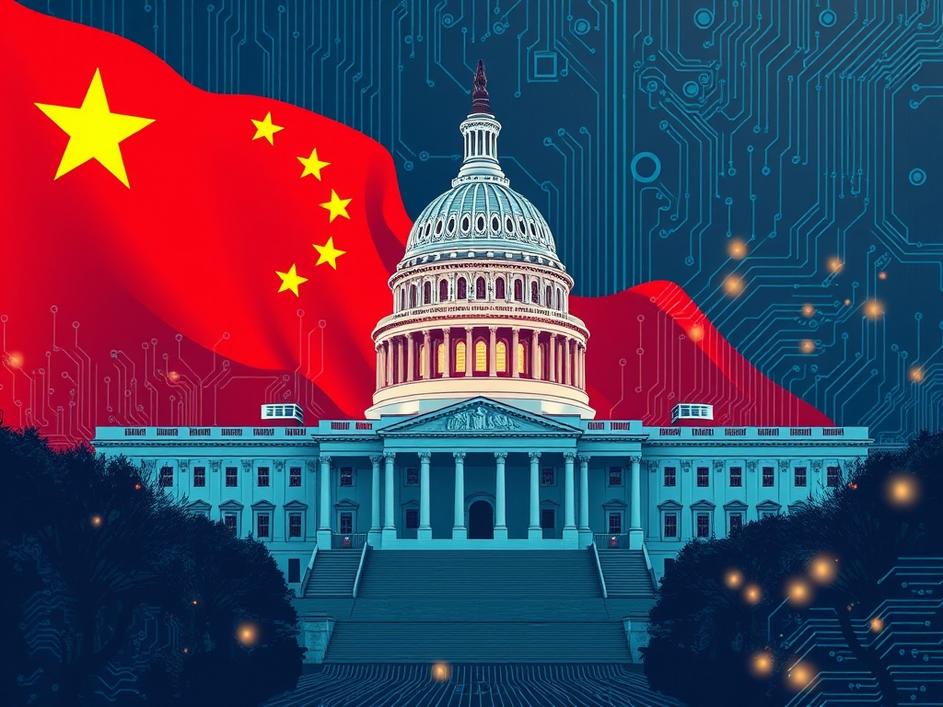
U.S. lawmakers are putting a fresh piece of legislation on the table that aims to make it harder for Chinese companies to sell artificial‑intelligence tools and other high‑tech products overseas. The move comes at a time when both sides of the aisle are worried about Beijing’s growing influence in the global tech market. For many Americans, the idea of Chinese AI systems ending up in critical infrastructure or in the hands of allies feels risky. The bill is framed as a defensive step – a way to protect national security and keep the United States ahead in a race that feels more like a tug‑of‑war than a friendly competition.
What the Legislation Looks Like
The proposal, set to be introduced on Tuesday, would require U.S. companies to get permission before they can provide certain AI software, chips, or related services to firms that are linked to the Chinese government. It also calls for tighter checks on any export of advanced semiconductors that could be used to build powerful models. The sponsors say the rules are meant to stop technology from being turned into a spying tool or a weapon. The bill is bipartisan, which is unusual for tech‑related measures, and that suggests a broad consensus that something needs to be done.
How It Could Shift Global Markets
If the law passes, the ripple effect could be big. Companies that rely on Chinese partners for cheap components might have to look for new suppliers, driving up costs for everything from smartphones to cloud services. Allies in Europe and Japan could feel pressure to adopt similar restrictions, creating a fragmented market where different rules apply in different regions. On the flip side, the United States could see a boost for home‑grown chip makers and AI startups that suddenly find a larger domestic market waiting for them.
Possible Backlash and Trade Tensions
China is unlikely to sit back quietly. Beijing has already warned that any move to block its tech firms could be seen as a hostile act, and it may respond with its own set of export controls. That could spark a new round of trade disputes, adding to the strain already felt from tariffs and other sanctions. Smaller companies that operate on thin margins might get caught in the crossfire, forced to choose between compliance and losing a key customer base. The risk is that the policy could end up hurting U.S. businesses as much as it aims to protect them.
The Bigger Strategic Picture
Beyond the immediate economic concerns, the bill signals a shift in how the United States views technology as part of its national defense. AI is no longer just a commercial tool; it’s seen as a strategic asset that can influence everything from elections to military operations. By tightening the flow of AI hardware and software, Washington hopes to keep a tighter lid on what it sees as a potential security leak. At the same time, the move forces a conversation about how much the U.S. wants to rely on foreign supply chains for its most critical tech.
Looking Ahead
In the end, the success of this effort will depend on how well it balances security with economic reality. If the rules are too strict, they could push companies to move their research and production to countries with looser regulations, which would be the opposite of what the bill intends. If they are too lax, the fear of Chinese AI dominance might not be addressed. The debate in Washington is a reminder that technology policy is now inseparable from foreign policy, and the choices made today will shape the tech landscape for years to come.
Source: Original Article





Comments are closed