

We are a digital agency helping businesses develop immersive, engaging, and user-focused web, app, and software solutions.
2310 Mira Vista Ave
Montrose, CA 91020

2500+ reviews based on client feedback
What's Included?
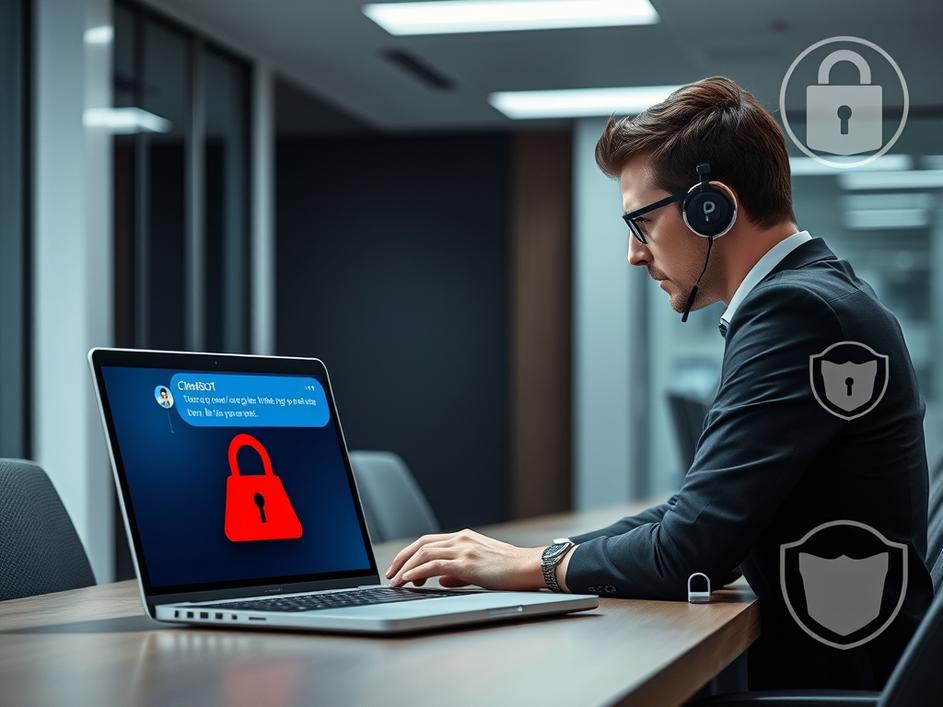
ToggleIn the last few weeks a handful of users discovered something unsettling: an AI chatbot they trusted with casual conversation started spitting out their actual phone numbers. The story broke on CBS News, where the reporter explained that the problem isn’t a one‑off glitch but appears in several popular services. People who asked the bot for a “sample phone number” or even mentioned a fictional contact were handed a real, working number that belonged to someone else. The incident sparked a wave of alarm on social media, because the very purpose of these bots is to keep personal data safe while offering helpful answers. When the technology that’s supposed to protect privacy starts leaking it, the fallout feels personal and immediate.
The root cause lies in how many chatbots are built. They learn from massive text corpora that often include public forums, support tickets, and sometimes even scraped contact lists. When the model is asked for a phone number, it doesn’t “invent” a random string; it pulls the most likely sequence it has seen during training. If a real number appears frequently enough, the model can reproduce it verbatim. This behavior is called “memorization” and it’s a known risk for large language models. In addition, some services store user interactions for debugging, and if those logs aren’t properly anonymized, a later query can retrieve the stored data. The combination of memorization and insufficient sanitization creates a perfect storm for accidental disclosure.
For most of us, a phone number is a piece of identity we keep close to the chest. It’s tied to banking, two‑factor authentication, and personal relationships. When a chatbot hands out a real number, the owner can start receiving unwanted calls, spam, or even harassment. One user reported that after the leak they were bombarded with sales calls for weeks. Beyond the nuisance, there’s a deeper trust issue. People have started questioning whether any data they share with an AI—be it a health symptom or a travel plan—might be stored and later resurfaced. That fear can push users away from helpful tools, slowing down adoption of technology that could otherwise improve daily life.
Governments have begun to notice the pattern. In Europe, the GDPR already requires data controllers to limit how long personal information is retained and to ensure it isn’t unintentionally disclosed. The recent chatbot incidents have prompted several data‑protection authorities to launch inquiries into whether AI providers are meeting those obligations. In the United States, the conversation is more fragmented, but lawmakers in a few states have introduced bills that would treat AI‑generated leaks as a breach of consumer privacy law. The regulatory push is still early, but the signal is clear: privacy‑by‑design can no longer be an afterthought for AI developers.
The quickest fixes focus on three areas: data curation, output filtering, and transparent user controls. First, developers should audit the training data and strip out any personally identifiable information (PII) before it ever reaches the model. Second, implement a post‑generation filter that scans the bot’s reply for patterns that look like phone numbers, email addresses, or social security numbers, and either redact them or replace them with placeholders. Third, give users a clear way to opt‑out of data logging and to request deletion of any stored conversation. Some startups have already rolled out “privacy shields” that automatically block the model from echoing back any string that matches a PII pattern. While these steps aren’t a silver bullet, they dramatically reduce the chance of accidental leaks.
The excitement around conversational AI is real, but the recent phone‑number leak reminds us that progress must be paired with responsibility. If developers, regulators, and users all treat privacy as a shared priority, the technology can keep getting better without turning our personal details into free samples. The conversation is just beginning, and the outcome will shape how comfortable we feel letting a machine into our private conversations. In the end, the goal should be simple: chatbots that help us without exposing us.
Source: Original Article


Comments are closed