

We are a digital agency helping businesses develop immersive, engaging, and user-focused web, app, and software solutions.
2310 Mira Vista Ave
Montrose, CA 91020

2500+ reviews based on client feedback
What's Included?
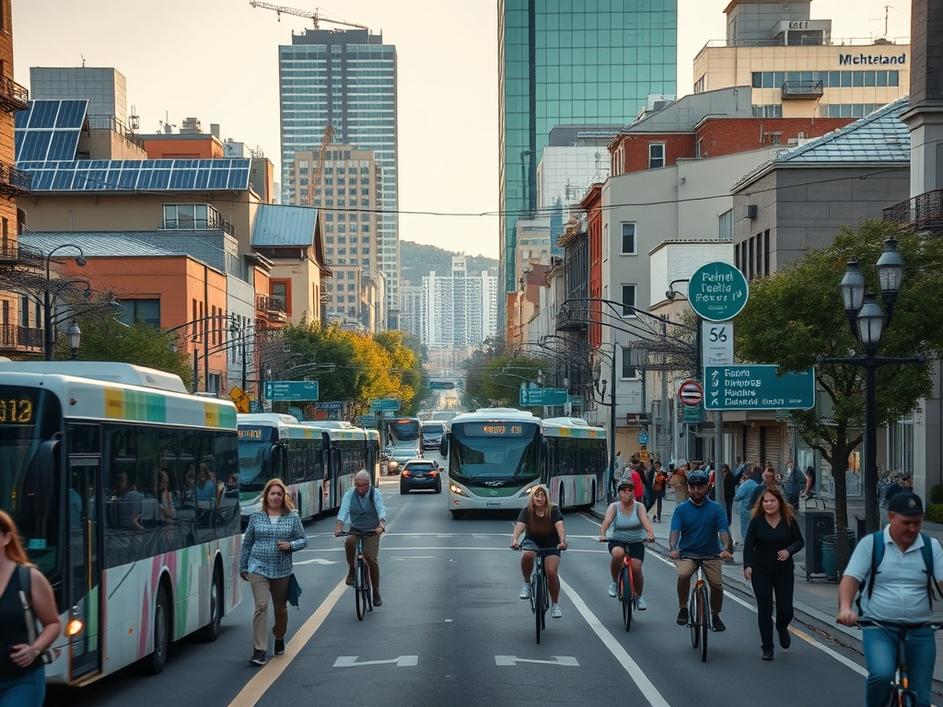
ToggleLast week, a mid-sized city rolled out a bold plan to cut its carbon footprint by half within five years. The plan isn’t just a set of numbers; it’s a rough map for everyday life. It talks of faster buses, better bike lanes, and warmer, cheaper homes. It imagines a city where you can get to work without a long drive, where running a home doesn’t drain your wallet, and where the air stays clearer for kids at play. The plan wants to swap out old gas furnaces for electric heat pumps, put solar on more rooftops, and tap into regional grids that share clean power. People I spoke with welcomed the promise but reminded me that promises are easy to make and harder to keep. The real test is not the page one of the plan, but what happens in the weeks and months after it hits the street.
Behind the numbers are faces. Renters worry that big upgrades won’t reach them, or that bills will rise to cover the cost. The city says it’s aiming to help with weatherization subsidies, energy audits, and fixes that lighten monthly bills without pushing people out of their homes. Some seniors fear changes to their neighborhoods, while new families hope for a safer, quieter street. The plan promises that anyone who lives here will feel the benefits, not just the environmentally minded. Still, it’s not a magical fix. The work will take time, and it will require strings of small, careful steps that respect people who live in the smallest units and work the longest hours. If care isn’t taken, good intentions can turn into paperwork that never reaches the curb.
Here’s what the plan actually does. The city intends to build a faster, more reliable transit spine: express bus routes, safer bike lanes, and a few new rail connections. It also aims to weatherize thousands of homes and public buildings, swap out old boilers for heat pumps, and install solar panels on municipal and private roofs where possible. A big chunk goes to job training and local hiring, so people can build a career in construction and energy work. Community groups would run pilot programs in neighborhoods to test ideas and gather feedback. In short, it’s a package that tries to move daily life, not just the energy ledger. If done well, the changes could shift routines in ways that add up over time.
Where the plan runs into headwinds is money and timing. The city will need bonds, state money, and private partners to cover a long list of upgrades. Even with grants, there can be delays. Equipment shortages, supply chain hiccups, and contractor shortages are real. Then there is pushback: some drivers worry about higher tolls or fare increases; developers worry about building codes that slow projects; and neighbors worry about construction noise. The city says it wants to pace the work and listen at every step. It tries to keep communication clear and constant, because trust is as important as cash. If the public sees steady progress and honest accounting of setbacks, support tends to grow. If not, the project can stall before a single street gets repaved.
What can other places take from this plan? Start with a clear aim and simple metrics. People respond to progress they can see, not to vague promises. Ask locals what they want and show how it changes their day, not just the bottom line. Build small wins quickly, then scale up. Align policies so buses, bikes, and home upgrades work together rather than against each other. And keep talking about fairness. The plan works best when it makes life better for the people who feel left out today. That requires careful budgeting, open meetings, and a willingness to shift course if a policy proves unfair or ineffective.
Cities rarely move in a straight line. Change comes in fits and starts, often slower than hopeful people expect. This plan is a test of patience as much as it is a test of ambition. If it succeeds, it will show that big ideas can come from local government and a shared sense of place. If it stalls, it will tell us there is no shortcut and no easy answer. Either way, it offers a chance to re-think the way a city grows, who pays for it, and who benefits. The conversation it sparks matters more than the timetable. Because a city that builds a greener future for its residents is a city that commits to a future where people, not profits, stay at the center of the plan.

Comments are closed