

We are a digital agency helping businesses develop immersive, engaging, and user-focused web, app, and software solutions.
2310 Mira Vista Ave
Montrose, CA 91020

2500+ reviews based on client feedback
What's Included?
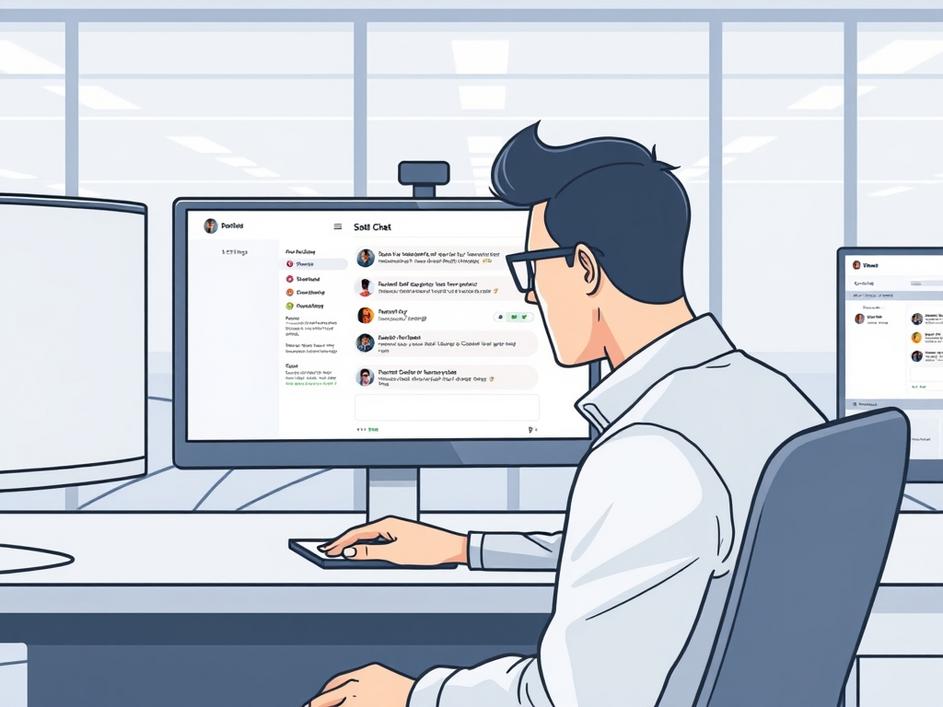
ToggleWhen Flock announced a fresh set of privacy tweaks, the reaction was louder than a stadium chant. Users who had grown comfortable with the app’s chat‑centric vibe suddenly found themselves staring at a new set of settings that seemed to pull back the curtain on how their messages might be used. The timing couldn’t have been worse, coming just weeks after a wave of privacy scares across the tech world. In plain terms, people felt the company was trying to peek into their conversations without a clear “yes” from them. That feeling of being watched sparked a flood of comments, tweets, and even a few protest videos. It’s a classic case of a product update colliding with a community that values discretion.
Flock started out as a simple tool for teams to swap quick messages, share files, and keep projects moving. Over the years it added video calls, integrations with other work apps, and a dash of AI‑powered suggestions. Its user base is a mix of small startups, remote freelancers, and a handful of larger enterprises that like the low‑cost vibe. What ties them together is a desire for a workspace that feels private enough to discuss ideas without a corporate watchdog looming overhead. When a service that promises that kind of intimacy starts to hint at broader data collection, the trust balance can tip fast.
In the latest rollout, Flock introduced three main changes. First, it began aggregating usage statistics that include anonymized snippets of chat content to improve its recommendation engine. Second, it offered a “preferred source” toggle that lets users surface articles from selected publishers, but that toggle also feeds back reading habits to advertising partners. Third, the privacy dashboard now shows a “data sharing” meter that defaults to a medium level unless the user manually lowers it. None of these features are hidden, but the default positions lean toward more openness. The company says the move is meant to “enhance user experience” and “support free content,” yet many users see it as a step away from the original promise of private teamwork.
From a commercial standpoint, the changes make sense. Flock, like many SaaS tools, relies on a freemium model where the free tier is subsidized by data‑driven revenue streams. By collecting more granular interaction data, the platform can sell better‑targeted ad slots or license insights to third‑party partners. It also positions itself to compete with giants that already monetize user behavior at scale. The backlash, however, shows that the short‑term gain may cost long‑term loyalty. When a user feels forced to trade privacy for a free service, they often look for alternatives that put privacy first, even if it means paying a bit more.
Flock’s situation is not unique. Across the tech landscape, companies are wrestling with the same dilemma: how to fund free products without alienating privacy‑conscious users. Recent regulations in Europe and parts of the U.S. are tightening the rules around consent, making it harder to rely on vague opt‑outs. At the same time, a growing segment of the market is gravitating toward encrypted, end‑to‑end solutions that promise “no data harvesting.” The tension between monetization and privacy is likely to push more firms toward transparent, user‑controlled models or to adopt subscription‑only plans that sidestep the data‑selling game altogether.
What does this mean for everyday users? First, keep an eye on the settings panel and make sure any default options align with your comfort level. Second, consider whether the convenience of a free tool outweighs the potential exposure of your work chatter. Finally, remember that the tech world is still figuring out the right balance, and user pushback can steer the ship. If enough people voice their concerns, companies like Flock may have to rethink how they structure their revenue. Until then, staying informed and adjusting preferences is the best defense against unwanted data sharing.
Source: Original Article


Comments are closed