

We are a digital agency helping businesses develop immersive, engaging, and user-focused web, app, and software solutions.
2310 Mira Vista Ave
Montrose, CA 91020

2500+ reviews based on client feedback
What's Included?
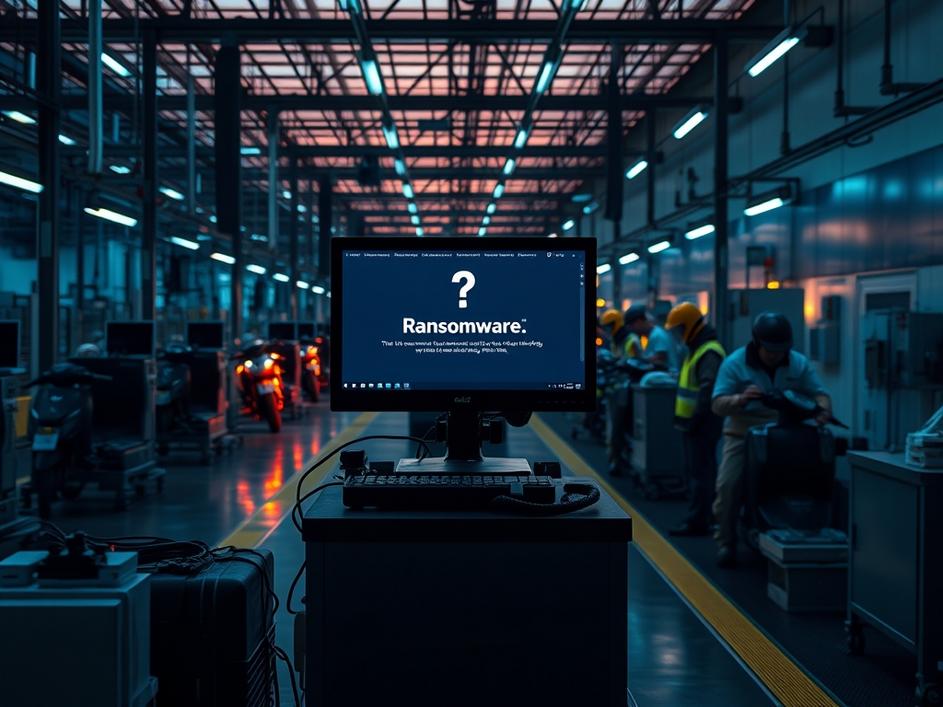
ToggleHackers are turning up the heat on factories. Bajaj Auto confirmed that a ransomware incident hit some of its computer systems earlier in the day. The attack also touched Bajaj Auto Technology, its technology arm. The company said it has started precautionary actions to limit the damage and to protect important data. It did not spell out exactly what was affected or how long the disruption might last. Still, the message is clear: digital vulnerabilities now reach into the heart of product making. In a world where lines must keep moving, even a short outage can pause shipments and upset schedules.
When a ransomware note lands, the first question is always about operations. In Bajaj Auto’s case, some IT and engineering tools were taken offline to contain the spread. That means production planning, testing labs, and order processing can slow down. The company says it is applying its protective measures and working with external experts. The goal is to recover essential systems quickly and safely. Auto factories rely on a mix of connected machines and software that keeps lines running. A disruption, even if partial, can ripple from the shop floor to suppliers and dealerships.
Automobile makers are easy prey for cyber criminals today. They run complex networks that mix old control systems with modern digital tools. Production lines need near perfect uptime, so attackers want to cause downtime and chaos. Also, the data held by large manufacturers can be valuable to hit-and-run extortionists. Firms are increasingly connected for design, testing, and supply chains, which opens more doors for intruders. Ransomware groups rarely aim at one desk. They look for widespread access. That makes car companies attractive targets because a single breach can stall many moving parts at once.
In the wake of such incidents, a quick and clear response matters. Bajaj Auto says it is pursuing precautionary actions, which usually means isolating affected systems, preserving evidence, and engaging cyber forensic teams. Regulators and investors want to see that data safety and customer interests are protected. The best moves include restoring core functions from clean backups, testing recovery procedures, and communicating with partners about any impact on supply and service. A strong incident plan also sets responsibilities, keeps staff informed, and avoids loud statements that raise more questions than they answer. That means clear timelines for recovery, and updates on progress. It also means buyers may benefit from a more robust service continuity approach.
The news tends to raise questions about reliability and price. When a plant faces delays, customers might see longer lead times and a tighter service window. Some buyers worry about future updates and new models if the factory must slow down to strengthen cyber defenses. Companies that act quickly can actually gain trust. If Bajaj Auto explains what happened, what stayed safe, and what steps protect customers going forward, it shows responsibility. On the investor side, the incident adds another factor to assess in a sector already balancing growth with inflation and supply constraints.
India is becoming a big hub for car parts and assembly. That growth rides on digital tools that connect suppliers, dealers, and factories. It also invites new risks. Many firms in the sector still run older control systems that were not built with today’s threats in mind. The result is a mix of legacy tech and cloud apps, which needs careful protection. Regulators and industry groups are pushing for stronger cyber hygiene, better response drills, and clearer rules on data. The Bajaj incident fits into a broader shift toward more mature security practices in the industry. Cyber risk is a shared burden, and collaboration between industry and government can raise the bar faster.
There are plenty of practical steps a company can pursue after a ransomware event. First, review and strengthen the boundary between IT and OT so programs on the factory floor are protected without slowing production. Second, test backups regularly to prove that you can recover quickly. Third, invest in tools that watch for unusual activity and slow down attacks before they grow. Fourth, train staff to spot phishing and social engineering. Fifth, map the supply chain and require secure practices from partners. Finally, consider cyber insurance and a clear incident playbook that guides every department.
Cyber threats will stay a fact of life for manufacturers. The key is not to fear them but to prepare for them. Bajaj Auto’s handling of this event will be watched by rivals, suppliers, and customers. If the company shows what happened, what stayed safe, and how it plans to rebuild, it can come out stronger. For the wider market, the incident highlights a shared responsibility: invest in security, practice good governance, and maintain open lines of communication. In the end, resilience on the factory floor starts with discipline, transparency, and a willingness to learn from the breach.



Comments are closed