

We are a digital agency helping businesses develop immersive, engaging, and user-focused web, app, and software solutions.
2310 Mira Vista Ave
Montrose, CA 91020

2500+ reviews based on client feedback
What's Included?
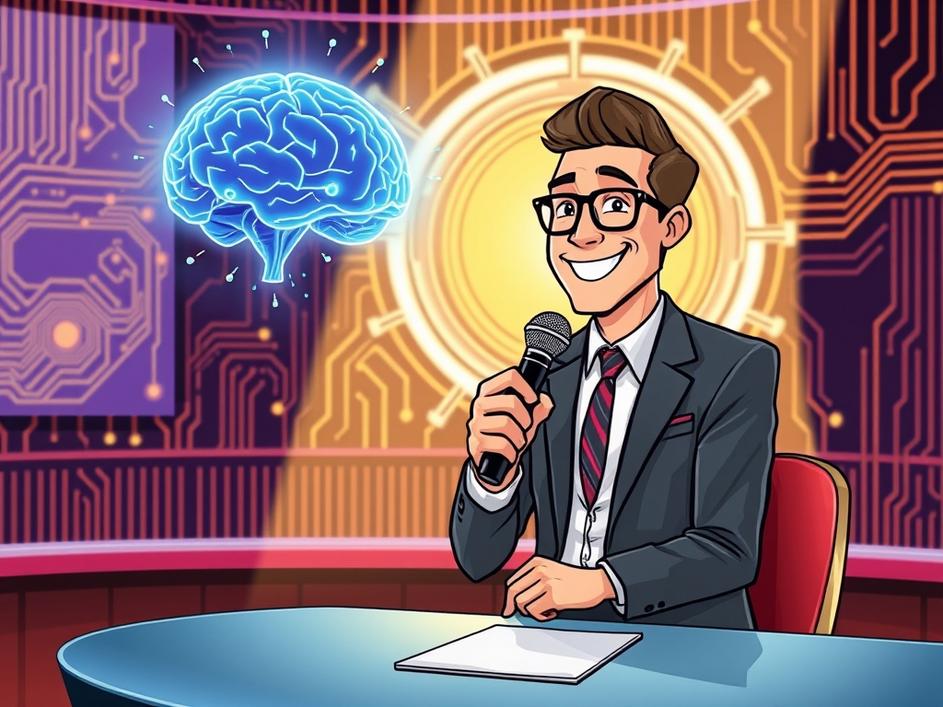
ToggleWhen comedian‑talk‑show host Bill Maher sat down for a recent interview, he didn’t talk about jokes or politics. He talked about artificial intelligence and the way it makes his stomach turn. He called the issue “more dire than anything” he’s ever seen, and he put it at the top of his personal priority list. The clip has been shared widely, and it’s easy to see why. AI is moving fast, and the public conversation still feels like a playground of hype and fear. Maher’s blunt tone cuts through the noise, forcing us to ask: what exactly is he scared of, and does his fear have a rational basis? In this post I’ll unpack his main points, add my own take, and try to find a middle ground that respects both caution and curiosity.
Maher’s biggest worry, as he put it, is that we are handing over decision‑making power to systems that we can’t fully understand. He imagines a future where algorithms write policies, manage finances, or even decide who gets a job interview, all without transparent reasoning. That loss of control feels like a step back from the Enlightenment idea that humans should be the ultimate judges of their own destiny. He also worries about the speed at which AI can iterate. A model can improve itself in hours, something that used to take generations of human learning. If that loop runs unchecked, we could end up with tools that outpace our ability to set limits, and that prospect feels genuinely unsettling.
Every major technology has sparked panic before: the printing press, the telephone, the internet. Each time, critics warned of cultural decay, job loss, or loss of privacy. What makes AI different is the breadth of its reach. It’s not just a new way to communicate; it’s a new way to think, create, and decide. The printing press democratized knowledge, but also enabled propaganda. The internet opened the world, yet also gave rise to misinformation. AI can generate realistic text, images, and video in seconds, blurring the line between fact and fiction. That amplifies the old fear of manipulation, but on a scale we have never faced before. Maher’s alarm, therefore, taps into a long‑standing pattern while pointing to a uniquely modern risk.
One of the biggest tensions in the AI debate is how to keep the technology moving forward without letting it run wild. Maher leans heavily toward regulation, arguing that we need a global framework before the technology becomes too entrenched. I agree that some guardrails are essential—think of safety standards for self‑driving cars or medical devices. However, over‑regulation could choke the creative spark that makes AI useful in the first place. The challenge is to design policies that are flexible enough to adapt as the tech evolves, yet firm enough to prevent the worst outcomes. A tiered approach, where high‑risk applications like autonomous weapons or deep‑fake political content face stricter scrutiny, might strike that balance.
Beyond the boardroom and the lab, AI is already reshaping how we consume news and interact socially. Deep‑fake videos can make a public figure appear to say something they never did, while language models can churn out persuasive essays in minutes. Maher’s fear that AI could erode trust in institutions is not just speculation; we are seeing early signs of that erosion. When people can’t tell whether a video is real, the very notion of evidence becomes shaky. That threatens democratic processes that rely on a shared sense of truth. My take is that media literacy must become a core part of education, just as we teach people to read and write. Empowering citizens to spot AI‑generated content can act as a societal immune system.
Maher’s warning is loud, but it’s also a useful reminder that we can’t afford complacency. The technology itself isn’t evil; it’s a tool that reflects the intentions of its creators and users. If we let fear paralyze us, we miss out on benefits like better healthcare diagnostics or climate‑modeling breakthroughs. If we ignore the warning, we risk handing over too much power to opaque algorithms. The sweet spot lies in open dialogue, responsible research, and policies that keep pace with innovation. By listening to voices like Maher’s, while also engaging engineers, ethicists, and everyday people, we can shape an AI future that feels less like a gamble and more like a collective project. In the end, the goal isn’t to stop AI, but to make sure it serves humanity, not the other way around.
Source: Original Article

Comments are closed