

We are a digital agency helping businesses develop immersive, engaging, and user-focused web, app, and software solutions.
2310 Mira Vista Ave
Montrose, CA 91020

2500+ reviews based on client feedback
What's Included?
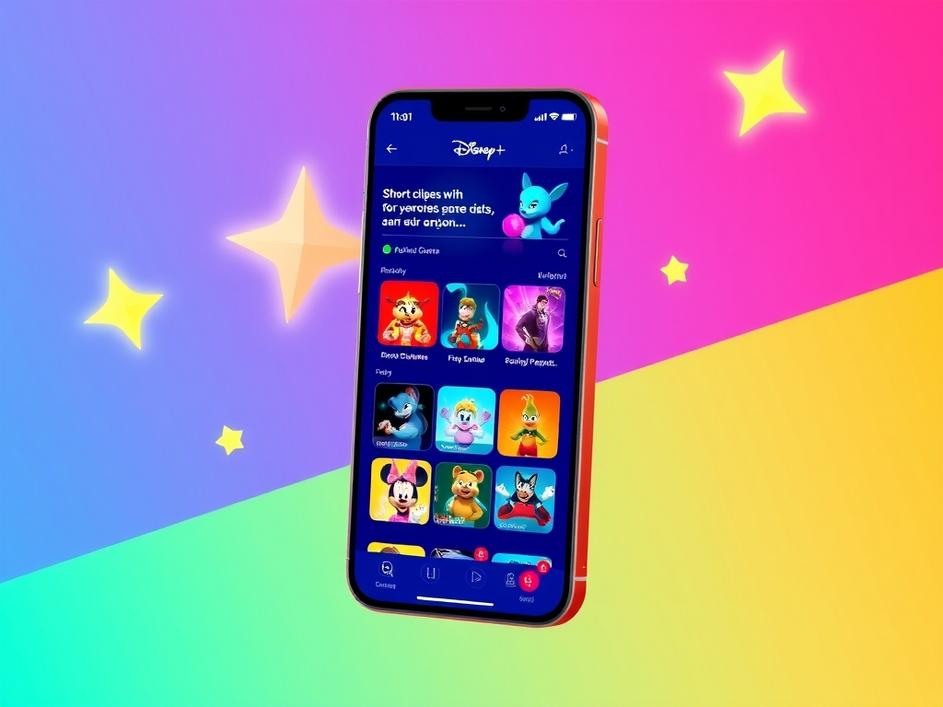
ToggleDisney+ has been known for movies and series, but two months ago it dropped something that feels more like a social app than a streaming service. The company announced a new vertical video feed called “Verts,” a nod to the short‑form clips you see on TikTok or Instagram Reels, but with a twist: every clip is a tiny, playable game. The idea was first hinted at during Disney’s CES Tech & Data Showcase earlier this year, and the rollout happened quietly enough that many subscribers only discovered it when they scrolled through the app and saw a carousel of looping game snippets. The move has already sparked heated conversation across forums, with some calling it a bold experiment and others labeling it the most controversial feature Disney+ has ever tried. For a service that built its reputation on polished, long‑form storytelling, slipping a quick‑play experience into the same interface feels like a cultural shift. It also raises questions about how Disney plans to balance its classic content library with a feed that rewards rapid consumption. The tension between those two worlds is at the heart of the debate.
The new section sits at the bottom of the home screen, just above the usual recommendation rows. Each tile is a portrait‑oriented video that loops for a few seconds before pausing, inviting the viewer to tap and start a micro‑game. The games themselves are simple: a puzzle, a platform jump, a quick reaction test – all designed to be finished in under thirty seconds. Because the feed is vertical, the controls are limited to taps, swipes, and occasional tilts, mirroring the way you interact with short videos on other platforms. Disney has partnered with a handful of indie studios to create original titles that feature familiar characters, but the emphasis is on fresh mechanics rather than deep narratives. After you finish a round, the app suggests another “Vert” or lets you jump back to the main library, keeping the experience fluid and low‑commitment.
There are a few practical reasons behind the shift. First, the short‑form video market has exploded, especially among younger viewers who spend hours scrolling through bite‑size content. By adding a game layer, Disney+ hopes to capture some of that attention without forcing users to download a separate app. Second, the format opens up new ways to monetize – short ads, in‑game purchases, or branded tie‑ins with upcoming movies could all slip into the feed. Third, it gives Disney a chance to experiment with interactive storytelling on a smaller scale before tackling larger projects. The risk, however, is that the brand could get stretched thin. Long‑time fans might feel the platform is drifting away from the curated, family‑friendly experience they signed up for. If the games feel cheap or overly promotional, the backlash could outweigh any gains in engagement.
Since the feature went live, social media has been buzzing. Some users love the novelty, saying that a quick game break while waiting for a show feels like a fun intermission. Others are less convinced, pointing out that the games often feel like ad demos rather than genuine play experiences. A recurring complaint is the lack of clear parental controls; parents worry that children might stumble onto game content that isn’t age‑appropriate or that the feed could expose them to more ads than the traditional streaming model. Additionally, a segment of the community worries about data usage, since the vertical feed streams video loops constantly, potentially eating up mobile data plans. Disney has responded with a brief FAQ, promising that all “Verts” will adhere to the same content standards as the rest of the service, but the conversation is still very much alive.
From my perspective, “Verts” is an experiment that could either open a new chapter for Disney+ or become a footnote in its history. If the company can keep the games light, enjoyable, and true to its storytelling roots, the feature might attract a younger audience that otherwise prefers TikTok or YouTube. On the other hand, if the feed becomes a cluttered ad space, it could alienate the core subscriber base that values Disney’s curated library. The next few months will be telling – user metrics, ad revenue, and the quality of upcoming “Vert” titles will all shape the outcome. For now, the idea of scrolling through a Disney‑themed game carousel feels oddly appropriate in a world where attention spans are shrinking, but only time will reveal whether this gamble pays off or simply adds another layer of noise to an already crowded streaming landscape.
Source: Original Article



Comments are closed