A Quiet Arrival
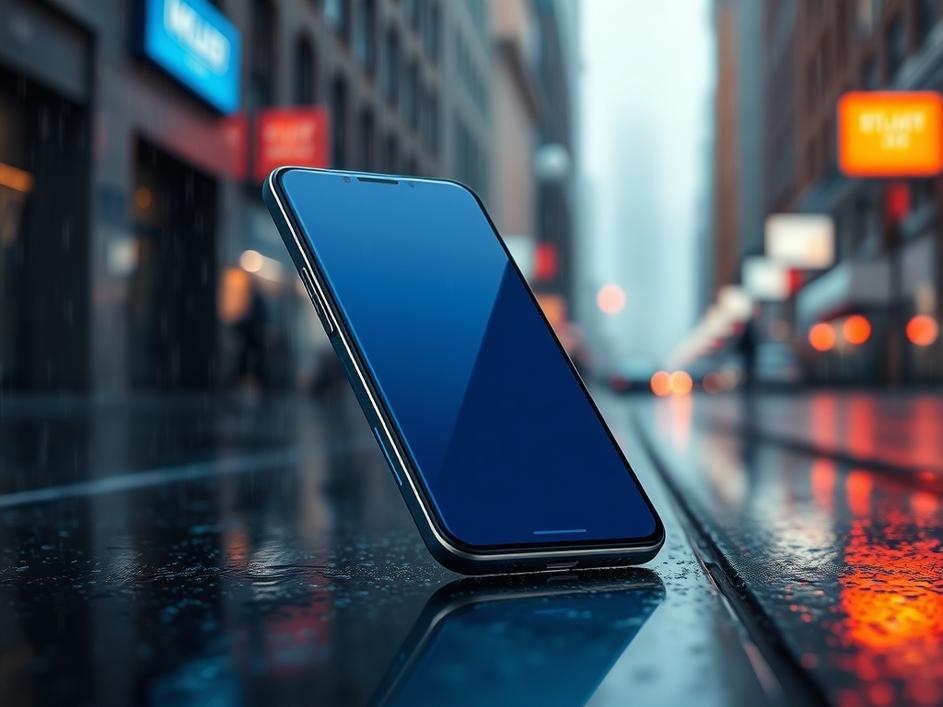
The new phone showed up on a rainy Thursday, and most people barely noticed it at first. The company chose a low‑key livestream instead of a big stage. That move felt odd, but it also let the details speak for themselves. The device is thin, the screen is bright, and the camera bump is smaller than last year’s model. It doesn’t shout, but it does deliver a clean design that many have missed in recent releases. For me, the calm rollout felt like a signal that the brand is listening more than showing off.
What the Specs Really Mean
On paper the phone lists a 6.2‑inch OLED panel, a Snapdragon 8‑Gen2 chip, and a 48‑megapixel main sensor. Those numbers look impressive, but the real test is how they feel in daily use. The chip handles games and video calls without heating up, and the OLED keeps colors true even in sunlight. The camera can capture decent photos in low light, though it still struggles with extreme back‑light. Battery life sits at about a day and a half with moderate use, which is about average for this class. In short, the specs line up with what most users expect, but the smooth software integration is what makes the experience feel nicer.
The Market Reaction
When the device hit the shelves, pre‑orders spiked in the first 24 hours. Analysts point to the modest price tag as a big factor. It sits a few hundred dollars lower than the flagship from the same maker, and that gap attracted budget‑conscious shoppers. Social media buzz was mixed; some praised the value, while others missed the lack of a fancy foldable screen. Stock prices for the company rose slightly after the announcement, showing investors see the launch as a safe bet. Overall, the market response suggests the phone hit a sweet spot between cost and capability.
Consumer Expectations vs Reality
People today expect a phone to be a mini‑computer, a camera, and a payment device all at once. The new model delivers on most of those fronts, but it doesn’t try to be everything. It skips a high‑refresh‑rate display, which some power users wanted. It also removes the ultra‑wide lens that was a staple in the previous year. Those choices keep the price down, but they also remind buyers that trade‑offs still exist. In my view, the phone meets the core needs of most users: reliable calls, clear photos, and smooth apps. It just doesn’t chase the bleeding‑edge features that only a few care about.
Long‑Term Implications
If this approach works, we might see more brands focusing on solid, affordable devices rather than endless flagship races. The industry has been pushing higher prices and more gimmicks for years, and many consumers are pushing back. A steady stream of mid‑range phones with strong performance could reshape how we think about premium tech. It could also force competitors to rethink their pricing strategies, leading to a more balanced market. On the other hand, if sales dip, companies may double down on premium models again. Time will tell, but the current launch hints at a possible shift toward practicality.
Wrapping Up
The phone didn’t need fireworks to get attention. Its quiet launch, sensible specs, and fair price made it stand out in a crowded field. For everyday users, it offers a reliable tool without the hype. For the industry, it may be a reminder that simplicity can still sell. Whether this signals a lasting trend or a one‑off experiment, the device shows that good design and honest pricing still matter. In the end, the real value lies in how the phone fits into people’s lives, not just how loud the marketing gets.





Comments are closed