

We are a digital agency helping businesses develop immersive, engaging, and user-focused web, app, and software solutions.
2310 Mira Vista Ave
Montrose, CA 91020

2500+ reviews based on client feedback
What's Included?
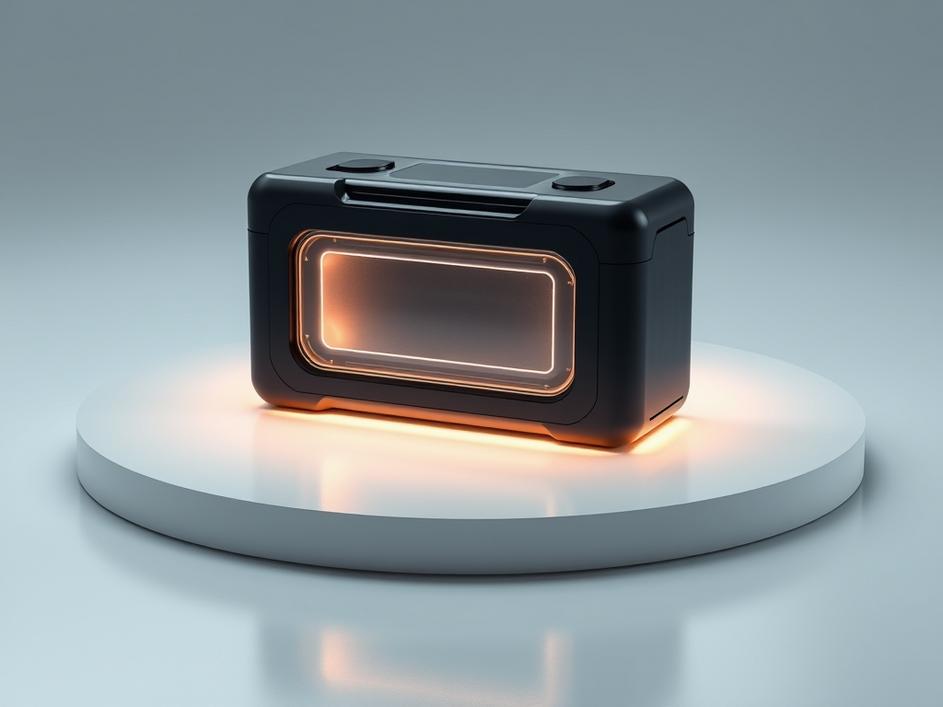
ToggleThe company held a press event on Tuesday. They showed a prototype of a battery that promises twice the range of current models. The numbers look good on paper, and the engineers seemed proud. The device is about the size of a small suitcase, yet it can store enough energy for a 600‑kilometre trip. That is a big jump from the 300‑kilometre average we see today. The announcement also included a claim that the battery can be charged to 80 percent in under 15 minutes. If those figures hold up, it could make electric cars feel a lot more like gasoline cars in terms of convenience. The media buzzed right away, and social media users started sharing the news.
Inside the case, the new cell uses a solid‑state electrolyte instead of the liquid one most cars use now. This change removes a lot of the safety worries that have haunted electric vehicles for years. The solid material also lets lithium ions move faster, which is why the charge time can be so short. In addition, the designers added a thin layer of sulfur that boosts the amount of energy stored per kilogram. The combination of solid‑state and sulfur chemistry is not brand new, but the company claims they have solved the biggest durability problems that stopped it from scaling before. Early lab tests show the cell can keep more than 90 percent of its capacity after a thousand cycles.
For most people, the biggest barrier to buying an electric car is range anxiety. A battery that can go 600 kilometres on a single charge cuts that worry in half. It also means fewer stops on long trips, which makes road trips feel more natural again. The fast‑charge claim means you could pull into a highway rest stop, grab a coffee, and be back on the road in the time it takes to finish a pastry. If charging stations adopt the same high‑power standards, the whole network could become more useful. In everyday city driving, the extra capacity could allow smaller batteries, which would lower the weight of the car and improve handling.
Even with impressive numbers, there are still questions. Solid‑state batteries are harder to manufacture at scale. The materials are expensive, and the production lines need new equipment. The company did not reveal the cost of the prototype, and analysts suspect it could be double the price of current lithium‑ion packs. Another concern is how the battery behaves in extreme temperatures. Solid electrolytes can become brittle in the cold, and sulfur can degrade faster at high heat. Until long‑term field data is available, it is hard to say whether the tech will survive real‑world conditions.
If the battery lives longer and can be recycled more easily, the overall environmental impact could improve. The solid‑state design uses fewer toxic liquids, which means fewer hazardous waste streams. Longer life also means fewer batteries need to be produced each year, reducing the mining pressure on lithium and cobalt. However, the sulfur component still requires careful handling, and the manufacturing process may need more energy at the moment. A full life‑cycle analysis will be needed to confirm the green claims, but the potential is there.
The next steps will be crucial. The company plans to start small‑scale production next year and hopes to have the cells in a commercial vehicle by 2027. If they can keep the price down and prove reliability, other automakers are likely to follow. For consumers, the news is a reminder that electric vehicle technology is still moving fast. It may be worth waiting a little longer before buying a new car, especially if you care about range and charging speed. In any case, the battery represents a clear push toward making electric cars feel as convenient as the ones we have been driving for decades. Only time will tell if it lives up to the hype, but the conversation it has started is already valuable.

Comments are closed