

We are a digital agency helping businesses develop immersive, engaging, and user-focused web, app, and software solutions.
2310 Mira Vista Ave
Montrose, CA 91020

2500+ reviews based on client feedback
What's Included?
ToggleWhen Satya Nadella stepped onto the stage and said Xbox has to become a financially sustainable business, the comment rippled through the gaming community like a sudden power‑up. It wasn’t a vague wish‑list; it was a clear signal that the console giant can’t keep running on hype alone. For years, Xbox has chased big ideas—cloud gaming, Game Pass, exclusive studios—while still shouldering the hefty price tag of hardware development. Nadella’s reminder forces us to ask: what does a sustainable Xbox look like, and how will that affect the games we love?
Building a new console isn’t cheap. From silicon design to supply‑chain logistics, every generation eats millions of dollars before it even reaches a retailer. Microsoft’s recent hardware launches have shown a pattern of high‑end specs that push the envelope, but also push the budget. Add in the cost of marketing, licensing deals, and the ever‑growing demand for backward compatibility, and the balance sheet gets tight. If revenue from hardware sales alone can’t cover those expenses, the company has to lean on other streams to keep the lights on.
Enter Game Pass, Microsoft’s answer to the subscription model that’s reshaping entertainment. For a flat monthly fee, players get a rotating library of titles, early access to new releases, and even cloud streaming in some regions. This model gives Microsoft a predictable cash flow that hardware sales can’t match. It also lowers the barrier for new gamers who might be hesitant to drop a few hundred dollars on a console. From a business perspective, the more users on Game Pass, the steadier the income, and the less pressure there is to chase blockbuster launch titles every year.
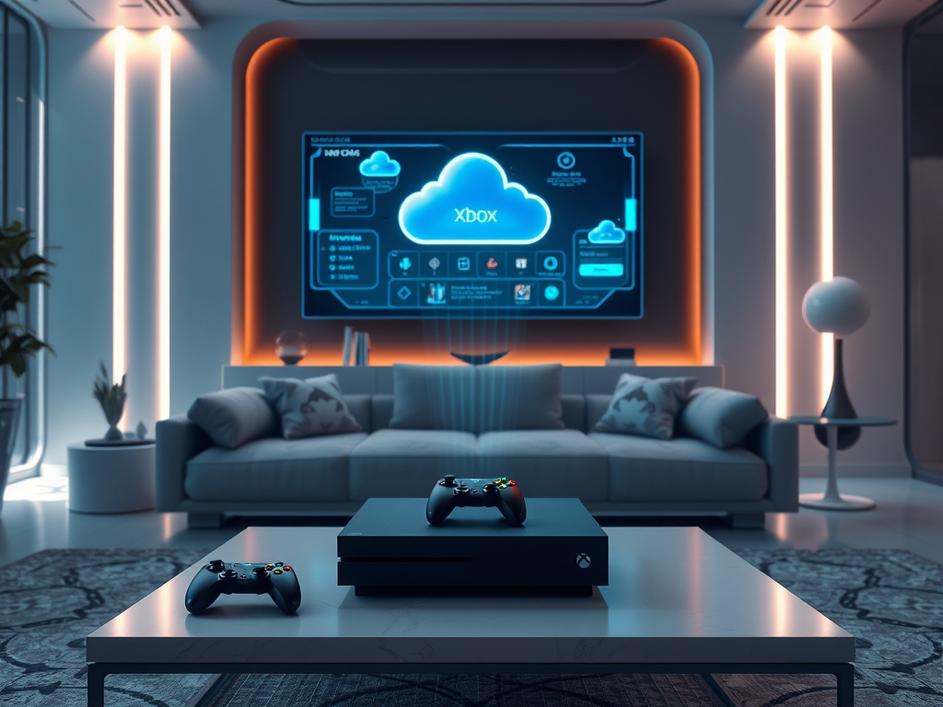
Cloud gaming is the wild card in the sustainability equation. If Xbox can deliver a high‑quality experience from a data center instead of a living‑room box, the need for expensive hardware cycles could shrink dramatically. That would mean lower R&D costs, fewer supply‑chain headaches, and a broader audience that can play on phones, tablets, or cheap laptops. The challenge, however, is convincing gamers that latency and visual fidelity will meet their expectations. Until the network infrastructure catches up worldwide, cloud will remain a complementary, not primary, revenue source—but it’s a piece of the puzzle that Nadella seems eager to develop.
Innovation and profit often feel like opposite ends of a see‑saw. On one side, you have bold moves like acquiring studios, launching next‑gen graphics, and experimenting with mixed reality. On the other, you have the need to keep the books balanced. Nadella’s comment suggests Microsoft is willing to trim the fat where it makes sense—perhaps scaling back on costly exclusives that don’t pull enough players into the ecosystem, or focusing more on services that generate recurring revenue. It’s a pragmatic shift that could still leave room for creative risk, as long as the risk is tied to a clear financial upside.
For the average player, the biggest impact will be how Xbox delivers value. Expect more emphasis on Game Pass bundles, deeper integration of cloud play, and possibly fewer “must‑buy” hardware upgrades. The console might become less of a status symbol and more of a gateway to a library that updates automatically. Some fans may miss the excitement of a brand‑new console launch, but the trade‑off could be a steadier stream of fresh games and lower overall costs. In short, the experience could become more about ongoing access than one‑off purchases.
Satya Nadella’s call for a financially sustainable Xbox is a reminder that even the biggest players need a solid business foundation. By leaning into subscriptions, refining cloud ambitions, and trimming unnecessary expenses, Microsoft can keep Xbox relevant without burning cash. The path won’t be without bumps—network latency, competition from PlayStation and Nintendo, and the ever‑changing tastes of gamers all pose challenges. Yet the focus on sustainability could usher in an era where Xbox feels less like a gamble and more like a reliable service you can count on year after year. If the company walks the line well, we might see a gaming world where the thrill of new releases is matched by the comfort of a steady, affordable platform.
Source: Original Article



Comments are closed