Here comes the plan
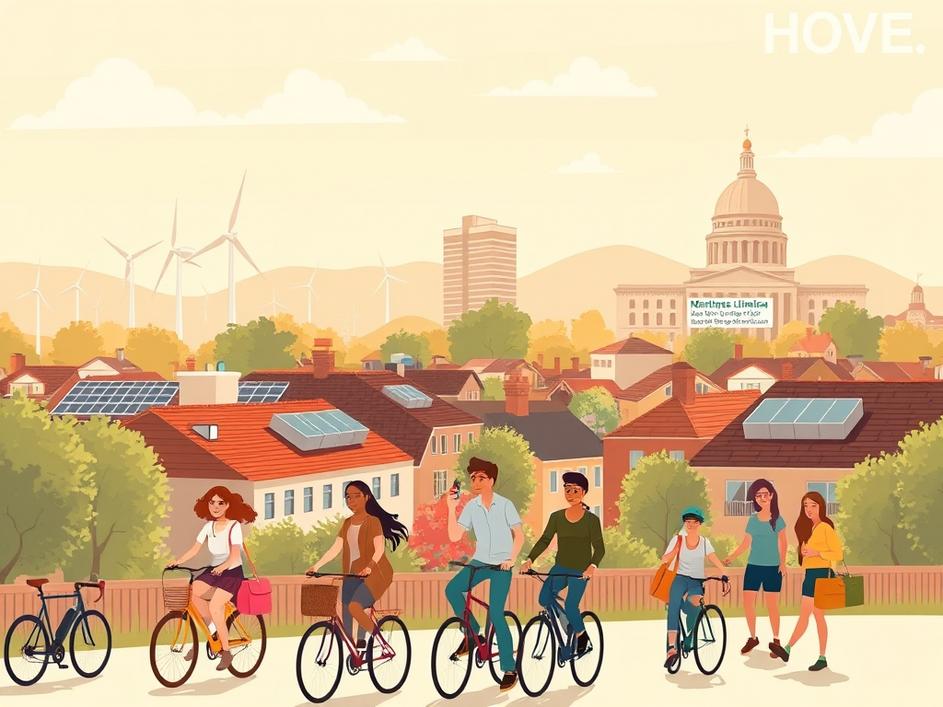
The government just released a climate package meant to cut emissions and change how we power homes and cars. The plan sets a goal to cut greenhouse gas output and pairs rules with money for families and small businesses. Core ideas: a price on carbon, more renewables, and incentives to upgrade buildings and vehicles. On paper it sounds simple, but the numbers matter. The plan asks people to accept gradual changes. It asks businesses to plan for a future where fossil fuels aren’t the main seller. And it asks politicians to stay patient and steady as the changes unfold. The test will be in the details, not the headlines.
Who will feel this first
The first signs will show up in pockets of families and renters. A carbon price hints that polluting has a cost, but the immediate bill lands on daily bills and weekly groceries. The plan promises rebates and targeted help, but delivery matters. If rebates arrive late or miss the right people, the impact can feel uneven. If renters cannot upgrade units because building owners must pay, the savings may stay out of reach. In the near term, questions will rise about who pays, who benefits, and how quickly changes show up. The plan can be fair, but only if the work is spread across cities and small towns with care.
Business and jobs on the line
Businesses will adapt or stall depending on rules and incentives. Contractors may see new demand for home upgrades and energy projects. Utilities could shift toward wind, sun, and storage. The plan could spark training programs to help workers move to clean energy roles. The transition takes time and money. There is a risk of uneven uptake, where big firms adapt and smaller ones struggle with cost and learning. The good news is that a clear direction can give confidence. When a workforce knows what’s coming, people can plan, train, and hire with a sense of purpose.
The tricky part: timing and rules
Any plan this large faces a maze of details. The carbon price needs a floor, a path, and safeguards to prevent spikes. Subsidies must reach the people who need them most, yet be sturdy enough to avoid loopholes. Speed matters. If too fast, the policy can fizzle; if too slow, the moment to shape markets slips away. Oversight and independent checks become essential so people trust what they see. Real results depend on how well the pieces fit, not just how bold the headline reads.
What kind of leadership shows up
This plan tests leadership as much as policy. It needs clear talk, real numbers, and care for those who shoulder the short-term costs. Voters want honesty about trade-offs, not slogans. Leaders who spell out concrete steps, publish progress, and admit mistakes earn trust. The plan will also show whether lawmakers can build genuine cross-party support. Climate policy needs a shared path that people can walk together. If leaders listen and stay accountable, the plan has a better shot at lasting beyond the next election.
A practical, hopeful conclusion
The news is bigger than one policy. It tests how societies handle big change. The plan asks people to save energy, rethink heating, driving, and power for schools. It asks cities to rethink zoning and building codes. If done with care, it could lower bills and cut pollution over time. If mishandled, it could widen gaps and erode trust. The sweet spot is clear goals plus real support, with programs that show benefits now while building a cleaner future. That balance won’t appear by luck. It will take steady effort, transparent governance, and a willingness to adjust as we learn. In the end, this news matters because it asks ordinary people to invest in something larger than today. That’s a big ask, but it’s also a chance to shape a healthier world for the long run.





Comments are closed