

We are a digital agency helping businesses develop immersive, engaging, and user-focused web, app, and software solutions.
2310 Mira Vista Ave
Montrose, CA 91020

2500+ reviews based on client feedback
What's Included?
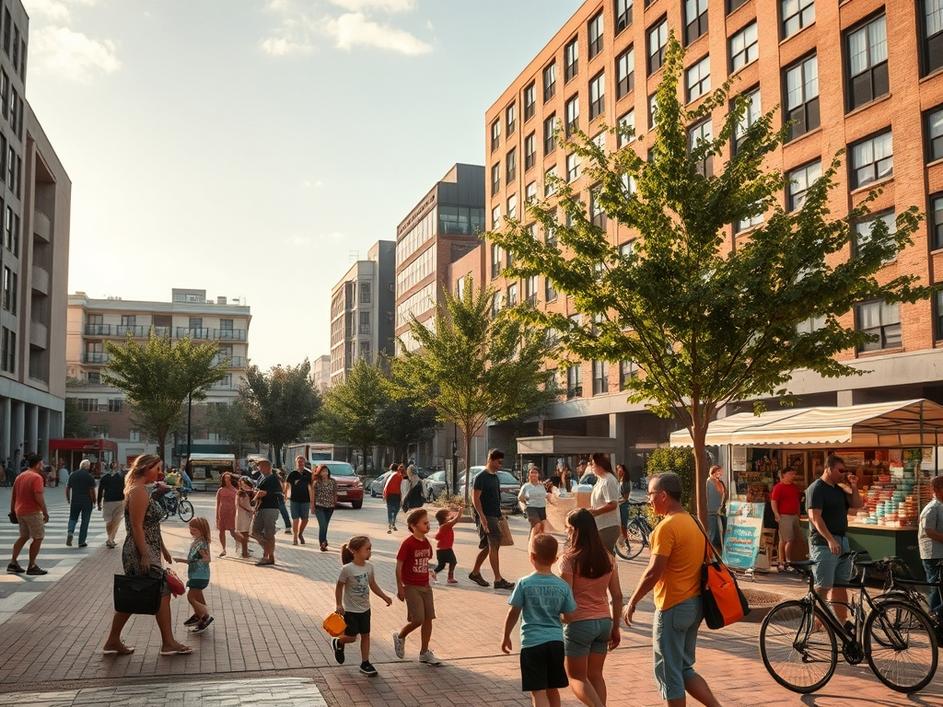
ToggleA local story has come out about a city rethinking where it spends its money. Instead of more roads, the council wants to pour funds into parks, affordable housing and small business support. The plan grew from a public process that invited residents to share worries and ideas. It won’t solve every problem at once, but it sends a signal: city life can be shaped by everyday choices, not big projects alone. When I read the news, I saw more than a policy paper. I saw a test of trust. Do people feel heard? Do leaders honor the small promises they make during campaigns? The numbers show a shift in priorities, but the real test is whether neighbors notice better air, safer streets, and a stronger sense of belonging. That’s where the story starts, not with budget lines, but with who gets to enjoy the city day after day.
Streets lined with trees and benches can change how people move through a block. If a park replaces a vacant lot, kids have a place to play and parents have a place to meet. Small businesses may gain foot traffic when families linger outside, chatting with shop owners. The news paints a hopeful scene, but it also invites questions. Will rents rise as the area becomes popular? Will the city pay for maintenance or leave it to volunteers? The best outcomes come from clear plans and ongoing care. When leaders talk about measuring success, they should look at how often people use the space, how long it stays welcoming, and whether it reduces noise and pollution. The human touch matters as much as the budget numbers here, because spaces work best when people feel at home in them.
Policy is not just maps and dollars. It lives in kitchens, school corridors, and bus stops. The news about this plan is a reminder that listening matters just as much as counting. If residents from every corner of the city share their lived experience, the final plan will reflect more than one view. That means giving real influence to seniors, parents, workers, and students. It also means being honest about tradeoffs. Some will lose quick access to a car route in favor of a quieter street. Others may worry about safety or the cost of upkeep. Leaders should set up clear channels for feedback and a timetable for follow-up. Without a real loop between decision makers and daily life, even well-intentioned ideas can grow stale and feel unfair. The core challenge is keeping trust alive while doing hard things.
Nothing in this news guarantees perfect outcomes. Projects can stall, budgets can shift, and plans can drift. The danger is treating a good idea as a final solution. Real change comes from value, effort, and time. City life is not a one-time fix but a living experiment. To avoid token moves, organizers should publish clear milestones, budgets, and a way to measure impact. They should welcome independent checks and be willing to adjust if data shows trouble. Equity matters, too. If a new park helps some people but leaves out others, the plan needs tweaking. The best plans invite criticism and use it to improve. In short, be careful with promises and patient with progress.
The story isn’t just about a park or a policy. It’s about how a city grows up. Can a town learn to slow down a little, share the space, and still thrive? I think the answer depends on how people stay involved after the headlines. It depends on leaders who keep showing up with new data, new voices, and a willingness to change course. A plan for greenspace, local business, and safer streets can be more than nice words if it stays grounded in lived reality. The true test is simple: do we feel better next year because of this choice? If yes, we should look for more steps like it. If no, we should fix it together. Either way, this news invites a conversation about what city life should feel like in the years ahead.


Comments are closed