AI rules take shape
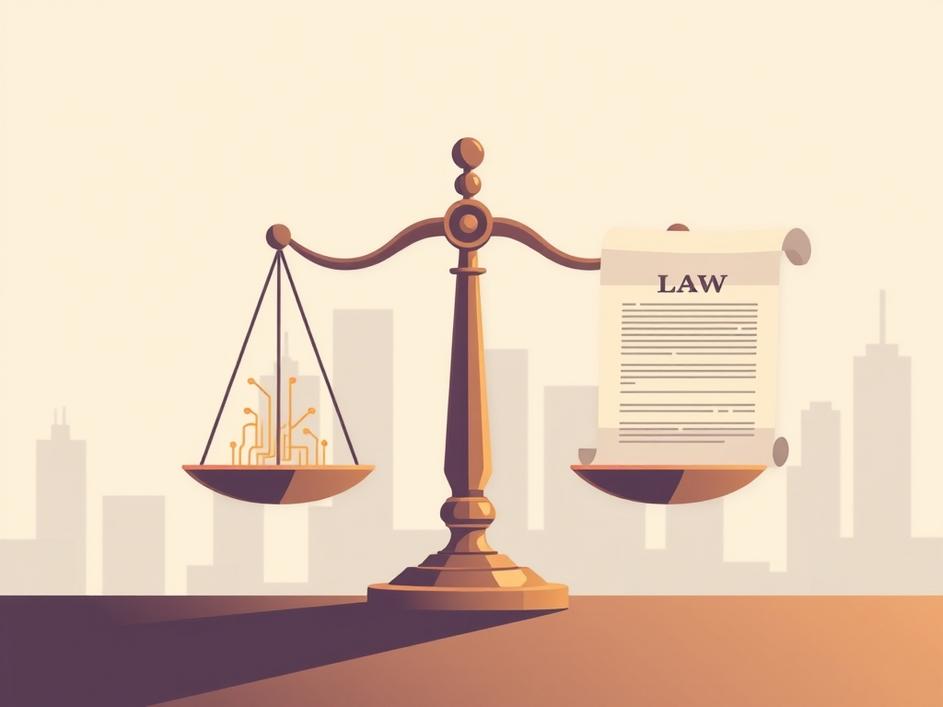
The news point is simple: a broad set of AI safety rules is on the way to become law. It aims to keep people safe without slowing down everyday use. The plan sets basic brakes for tools that can mislead or harm. It asks for clear labeling where needed and it requires extra testing for the most powerful systems. It also tries to help small and medium teams by giving starts and checklists so they don’t get buried in red tape. People will notice a shift in how these tools behave in public life—search results, health advice, job screening, even what gets shown in the feed. It’s not a magic fix, but it is a start that changes the tempo of how tech meets law.
Where this comes from
The path to this moment is long. Years of headlines raised concerns about bias, wrong information, and privacy. Experts urged action, but solutions were scattered. The new rules aim to connect the dots. They push for impact assessments and safe by design thinking. They try to make transparency real, not just a buzzword. Some people worry about too much control, but others see a chance to rebuild trust. The plan also handles accountability—who is responsible when a tool causes harm, and how do we prove it. It’s not a silver bullet, but it signals a willingness to steer the ship rather than let storms decide the route.
What this could mean for daily life
For most people, the change is not dramatic at first. Still, small shifts add up. You might see clearer notices when an app uses AI to suggest things. There could be stronger privacy guards around data used to train models. Safer, more careful testing should reduce odd or dangerous outputs. Employers might have to show they checked tools before using them in hiring or customer service. Startups may feel the cost of compliance, but the rules could also level the playing field, letting them compete with bigger players on fair ground. The overall mood is slower, steadier progress rather than a sudden leap.
Critics push back
Critics say the rules could slow innovation or let big firms shield themselves in paperwork. They warn against vague terms that leave room for loopholes. If enforcement is patchy, the plan could lose its bite. Some fear a one-size-fits-all rulebook that doesn’t fit different markets. Others worry about the cost of audits and the fear of making tools too cautious. I hear that worry, but I also see a chance to rethink safety as an ongoing duty, not a one-off check. The real test will be how practical the rules stay as new tools arrive and the tech world mutates again.
A human angle to the story
Behind every tool are people who build, test, and use it. The rules push for clearer roles and better training, which starts with schools and workplaces. We need people who can spot trouble early and explain it plainly. That means more hands-on practice and fewer mystery variables. For workers in the field, this is a chance to grow and stay relevant. It also reminds leaders to design with care, not just speed. The social contract here is simple: safety costs time, but neglect costs more. If we teach teams to think about wrong outcomes and fix them fast, we protect trust in the long run.
Looking ahead with steady hands
I’m not betting on perfect solutions. I am hopeful for something more practical: rules that adapt, clear checks, and real accountability. They should invite public input, keep updates gentle, and avoid overreach. The best move is to test rules in small steps, watch what works, and fix what breaks. If the goal is to keep people safe while letting creativity grow, we need a balance that lasts. The news is a nudge, not a finish line. It invites us to work together, stay curious, and demand clarity from those who craft these tools. In the end, the story is about trust—and how we earn it, one responsible decision at a time.






Comments are closed