

We are a digital agency helping businesses develop immersive, engaging, and user-focused web, app, and software solutions.
2310 Mira Vista Ave
Montrose, CA 91020

2500+ reviews based on client feedback
What's Included?
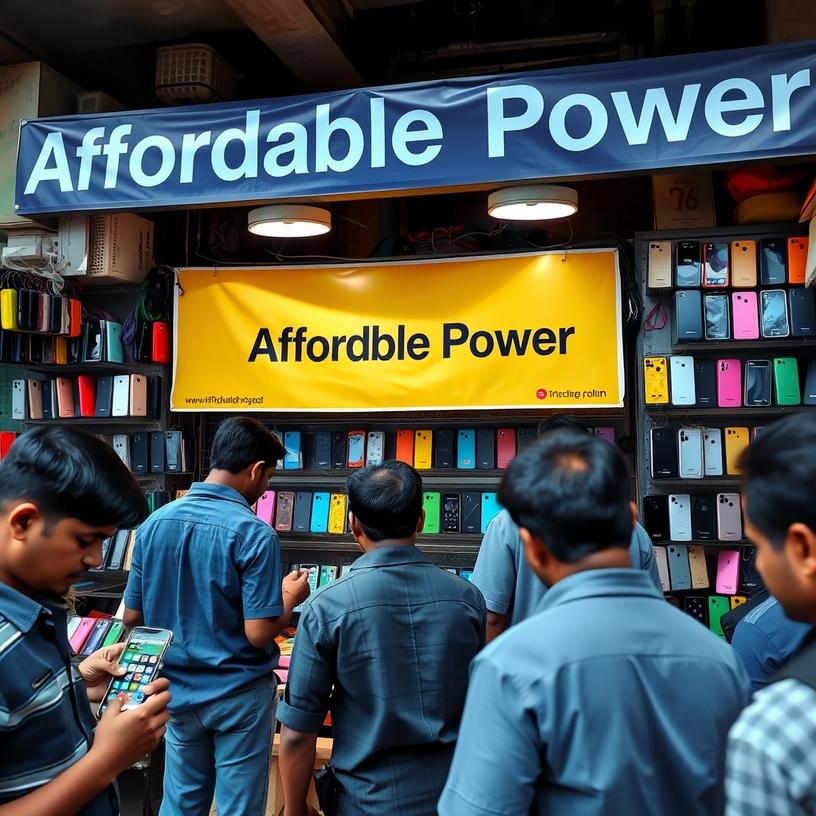
ToggleIt looks odd at first glance – a phone with just 2GB or 3GB of RAM, a modest processor, and a 4G modem – making a splash among buyers who usually chase the newest flagship. Yet in India’s crowded market, brands like Itel and Lava are pulling these modest devices into the spotlight. The reason isn’t nostalgia; it’s a practical response to a market that’s tired of paying premium prices for specs that many users never really need. In a world where a lot of people stream videos, chat on WhatsApp, and browse social feeds, a lower‑end phone can do the job just fine – and it does so for a fraction of the cost.
For years the Indian smartphone scene has been dominated by big‑ticket models boasting 6GB, 8GB, or even more RAM. Those devices have driven up expectations, but they have also widened the price gap. When a consumer walks into a store and sees a 6GB phone priced at ₹15,000, the gap to a 2GB device at ₹5,000 feels huge. That price difference matters a lot for first‑time buyers, students, and families that need a second device for a child. The premium market is now seeing a split: high‑end flagships for power users, and a revived segment of affordable phones that still promise a decent experience.
Both Itel and Lava have been around for a while, but they are now tweaking their product lines to fit this sweet spot. They focus on solid build quality, decent camera modules, and reliable 4G connectivity, while keeping RAM and storage modest. Their marketing messages stress “real‑world performance” rather than raw benchmarks. By offering phones that are easy on the wallet yet reliable enough for everyday tasks, they attract a crowd that feels ignored by the high‑spec rush. The companies also lean on local distribution networks and after‑sales service, which builds trust among buyers who might be wary of newer, lesser‑known brands.
Most users don’t need a phone that can run the latest high‑end game at ultra settings. They care about battery life, a screen that’s easy to read, a camera that can capture a decent photo, and an OS that feels smooth. A 2GB or 3GB RAM phone, paired with a well‑optimized Android skin, can deliver that experience without draining the battery quickly. In addition, 4G is still the workhorse of mobile data in many parts of the country, so having a stable connection matters more than chasing 5G that many networks haven’t fully rolled out yet. The price‑performance balance is becoming the main selling point, and these low‑spec phones hit that mark.
Modern Android versions have become more efficient, and many popular apps have lighter versions that run well on limited RAM. Social media apps, messaging platforms, and streaming services often cache data locally, reducing the need for a massive memory pool. Manufacturers also strip out bloatware, freeing up space for the user. When you pair a modest RAM size with a decent‑speed processor and a clean UI, the day‑to‑day experience feels snappy enough for most tasks. The key is not to promise high‑end gaming or heavy multitasking, but to deliver a reliable, low‑lag experience for the core activities most people perform.
Even with the current buzz, low‑spec phones face hurdles. As 5G spreads, some consumers may start expecting that capability, even if they don’t use it heavily today. Also, the perception that “cheap means low quality” still lingers, so brands need to keep improving build quality and after‑sales support. Another risk is that larger manufacturers could launch budget sub‑brands that undercut prices even further, squeezing the margins of smaller players. Yet the demand for affordable, dependable devices is unlikely to disappear, especially in a price‑sensitive market like India. If Itel, Lava, and others keep listening to what users actually need, they can turn this trend into a lasting segment rather than a short‑lived fad.
The resurgence of low‑spec smartphones in the premium market tells us that bigger isn’t always better. For many Indian consumers, a phone that simply works, lasts all day, and fits comfortably in a budget is more valuable than a powerhouse that sits idle most of the time. Brands that recognize this and design around real usage patterns are finding a sweet spot that benefits both the buyer and the maker. As long as the industry keeps a foot in the high‑end arena while nurturing this affordable niche, we’ll likely see more smart, budget‑friendly devices hitting the shelves – and that’s a win for everyone who wants a reliable phone without breaking the bank.
Source: Original Article



Comments are closed