

We are a digital agency helping businesses develop immersive, engaging, and user-focused web, app, and software solutions.
2310 Mira Vista Ave
Montrose, CA 91020

2500+ reviews based on client feedback
What's Included?
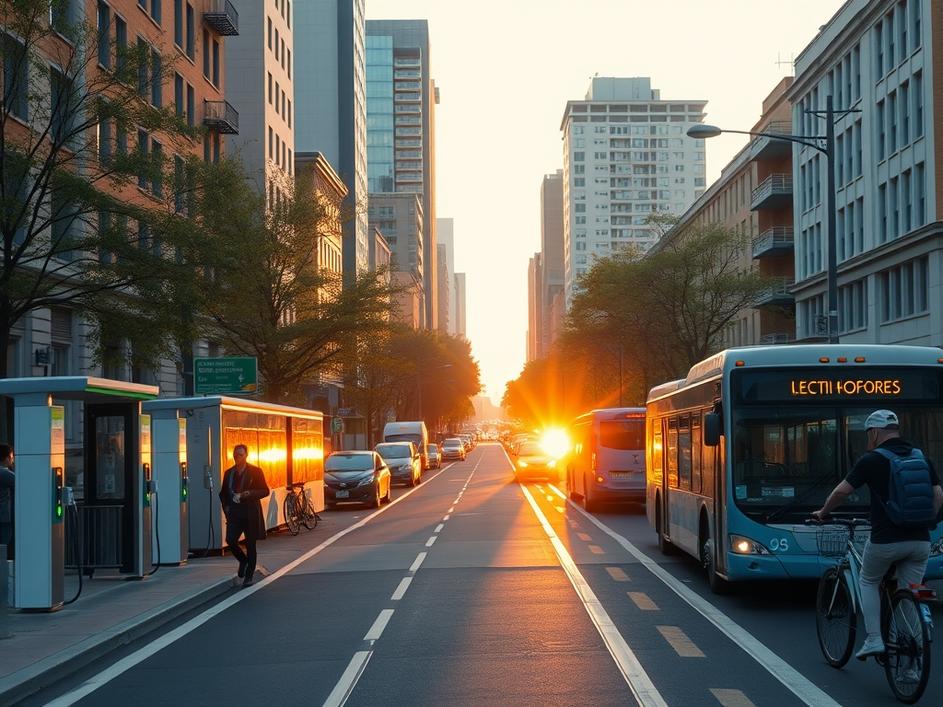
ToggleA mid-sized city surprised residents with a plan to curb gas cars over the next decade. The idea is simple in goal but big in scope: end the sale of new internal combustion vehicles by 2035, swap in electric options, and clean up the streets at the same time. The plan points to better air, quieter neighborhoods, and fewer road bottlenecks. It also nudges people toward transit, bikes, and walking. If you’ve ever worried about traffic or fumes, this news lands like a ping that something is finally moving. Still, it’s a long road from announcement to everyday habit, and the road is paved with questions about cost, equity, and timing. This is not a slogan; it’s a real bet the city is willing to place on its people and its future.
The proposal lays out a phased approach. In roughly a decade, new gas cars would be harder to buy. The city will strengthen the charging network, offer incentives for EV purchases, and upgrade buses and trains to handle more riders. Parking rules may shift to favor electric vehicles and public transit, while streets could get more space for pedestrians and cyclists. There are guardrails too: exemptions for essential services, support for households with limited means, and programs to retrain workers who now rely on traditional car maintenance or assembly jobs. Officials stress that this is about creating practical routes to cleaner air, not just signaling climate virtue. The big question is whether these pieces fit together in a way that feels affordable and fair to everyone who calls the city home.
Any major shift lands unevenly. People who can already afford newer cars or who work near transit lines may see benefits that arrive quickly. They’ll breathe easier and spend less time idling in traffic. But for residents in neighborhoods with fewer resources, the path can feel steeper. There are fears about higher upfront costs for EVs, the reliability of charging in low-income blocks, and the risk of longer commutes if transit isn’t ready to handle the load. The city tries to soften these blows with subsidies, job retraining, and targeted investment in neighborhood charging hubs. Still, the human side matters most: will a policy meant to help everyone end up helping most people, or will it leave some people behind?
The policy touches jobs in big ways. The move away from gas-powered maintenance and car sales means some roles shrink, while others grow in electrification, software, and battery work. Local colleges and training centers are asked to pivot toward long-lasting skills, not quick certifications. That can be a win if the new jobs pay well and offer a clear ladder. But it’s not automatic. Employers need to hire and train. The city must ensure apprenticeships and on-the-job learning are available, especially for people from communities that have faced barriers to opportunity. The tech side – charging networks, grid upgrades, vehicle software – adds complexity but also a chance to build a platform for local innovation. The hope is a net gain in both green credentials and living standards, not a temporary push that falters after a few years.
For a regular day, the plan translates into choices. If you drive, you’ll likely weigh EV options against gas cars and the growing network of charging stations. If you don’t own a car, there may be more reliable and affordable transit and bike lanes, making a trip across town easier than before. The city’s goal is to make cleaner travel feel normal, not exceptional. Yet there are practical hurdles: where to recharge after a long workday, how to keep a family budget balanced as prices shift, and how to keep neighborhoods quiet and safe during construction and upgrades. The human element matters as much as the technical one. The best version of this plan respects the pace of everyday life and the fragility of budgets without losing sight of the larger goal: less pollution, more breathable air, and calmer streets.
This isn’t a perfect plan, and it isn’t a magic fix. It asks residents to rethink how they move through the city, and it asks leaders to align housing, transit, and energy policies in one coherent push. The shared question is simple: what kind of city do we want to become, and how do we get there without leaving people behind? My take is that the strength of this proposal lies in its honesty about tradeoffs. It isn’t about vilifying cars or worshiping buses. It’s about creating options and supporting people as those options mature. The city should couple this with transparent timelines, real money for equity programs, and a readiness to adjust as results come in. If the plan falters, it should fail fast and learn fast. If it succeeds, it could become a blueprint for other cities facing the same crossroads.



Comments are closed