OpenAI Steps Into the Cafeteria
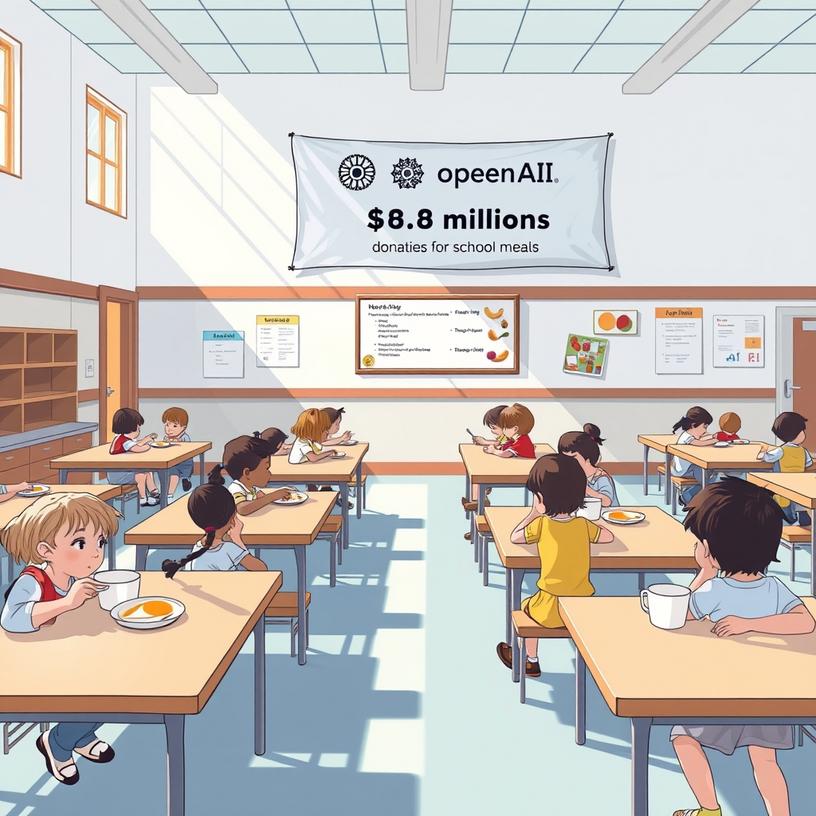
OpenAI announced a $4.8 million pledge to cover breakfast and lunch for every student in the Effingham County School District during the 2026‑2027 school year. The money will start flowing on September 8, the first day of classes. This isn’t a one‑off grant; it’s a full‑scale commitment that will pay for meals for thousands of kids for an entire year. The announcement came as part of a broader push by tech firms to put some of their profits back into the communities that help them grow. For a company best known for language models and chatbots, funding school meals might seem like an odd move, but the impact is immediate and easy to see.
Why Free Meals Matter
Kids who eat a solid breakfast are more likely to stay focused in class. A warm lunch gives them the energy to finish the day without feeling shaky or hungry. In Effingham County, many families struggle to put food on the table, especially after the pandemic. By removing the cost barrier, OpenAI is giving those students a better chance to learn, play, and grow. The donation also eases the budget pressure on the district, which can now allocate saved funds to other needs like books, technology, or extracurricular programs.
Tech Money Meets Community Need
OpenAI’s decision reflects a growing sense of responsibility among tech giants. The company has earned billions from its AI services, and many executives say they want that success to do more than line shareholders’ pockets. Funding school meals is a concrete way to show that profit can coexist with purpose. It also sends a message that the benefits of AI should be shared beyond the boardroom, reaching the kids who might one day become the next generation of innovators.
Local Reaction: Hope and Skepticism
Parents, teachers, and local officials greeted the news with relief and optimism. A school principal told reporters that the donation will let them stop asking families to sign up for costly lunch programs. Some community members, however, wonder how long the funding will last and whether it will become a permanent fixture. They ask if other tech companies will follow suit, or if this is a one‑time gesture. The conversation is already shifting from “what’s the money for?” to “how can we build on this momentum?”
What This Means for the Future of Philanthropy
If OpenAI’s contribution proves successful, it could set a new standard for corporate giving. Instead of building museums or funding research labs, more firms might look to address everyday needs like food security. The move also highlights how AI‑driven wealth can be redirected to solve basic human problems. It raises the question: could a portion of future AI profits be earmarked for education, health, or climate projects? The answer may shape how we think about the social contract between tech innovators and the public.
Looking Ahead
The $4.8 million will be counted in real meals served, not just headlines. For the kids in Effingham County, it means fewer empty stomachs and more chances to succeed in school. For OpenAI, it’s a step toward showing that the company cares about the world beyond its code. Whether this act sparks a wave of similar donations remains to be seen, but the immediate benefit is clear. A simple breakfast can change a morning, and a full year of meals can change a life. That’s a powerful reminder that even the biggest tech firms can make a difference on the ground, one cafeteria at a time.
Source: Original Article




Comments are closed