

We are a digital agency helping businesses develop immersive, engaging, and user-focused web, app, and software solutions.
2310 Mira Vista Ave
Montrose, CA 91020

2500+ reviews based on client feedback
What's Included?
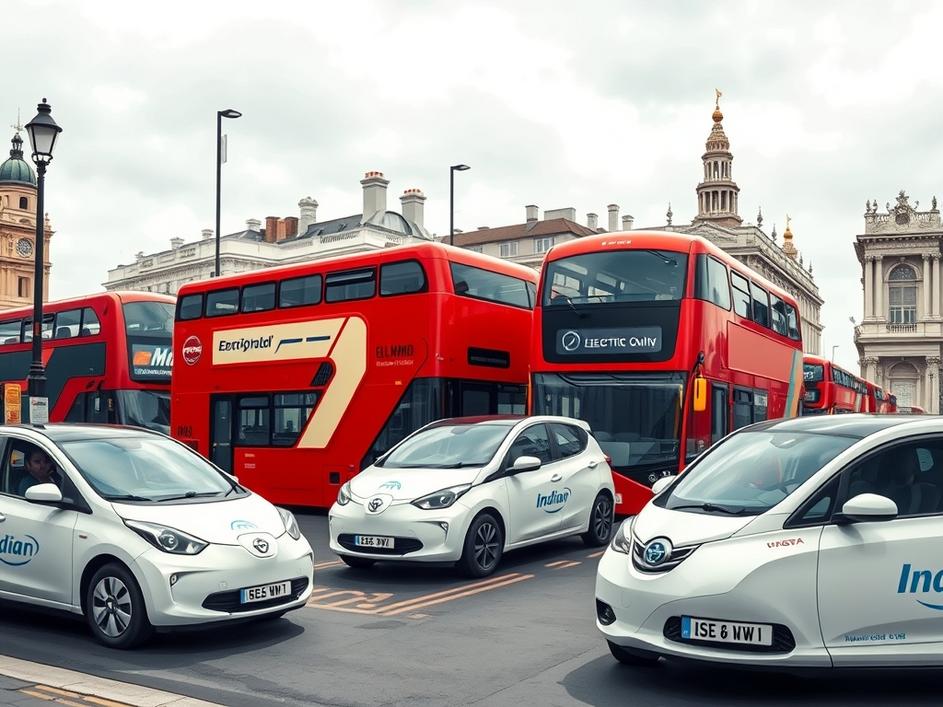
ToggleThe new free trade agreement between Britain and India is more than a paperwork swap. It cuts tariffs on a range of goods, and it opens a clear path for Indian electric cars to roll into British showrooms. For a long time, Indian automakers have focused on price‑sensitive markets at home and in Asia. The UK, with its strong push for zero‑emission vehicles, now looks like a realistic export destination. The deal also promises a smoother customs process, which can shave weeks off delivery times. In short, the agreement turns a distant dream into a practical business plan.
Britain has set ambitious targets for electric vehicle adoption. By 2030 the government wants half of all new cars to be zero‑emission. To hit that goal, it needs more models, more choices, and more affordable options. Right now, many of the EVs on British roads are premium German or Scandinavian brands that carry a hefty price tag. That leaves a gap for cheaper, reliable alternatives. Indian manufacturers see this gap as a chance to fill a niche that matches their reputation for low‑cost, high‑volume production.
Three Indian names dominate the passenger‑vehicle scene at home: Maruti Suzuki, Mahindra & Mahindra and Tata Motors. Each brings something different to the table. Maruti is famous for compact, fuel‑efficient hatchbacks that sell by the millions. Mahindra has built a small but growing electric portfolio, especially in the SUV segment. Tata, the biggest of the three, already ships electric models like the Nexon EV and the Tata Curvv in other markets. Their combined experience in mass production and cost control could give them an edge when they try to compete on price in the UK.
The trade pact does not hand over unlimited access. It starts with a modest allocation of a few thousand electric cars per year, then lifts the ceiling as Indian exporters prove they can meet quality and safety standards. The final target – 88,000 vehicles annually – is a sizable slice of the UK’s expected EV sales for the next decade. Reaching that number will require steady ramp‑up of production lines, certification from British regulators, and a distribution network that can handle after‑sales service. But the roadmap is clear: meet the benchmarks, and the quota expands.
Moving from a paper deal to actual cars on the road is not without friction. British safety tests are strict, and Indian models will need to pass crash, emissions (even for zero‑emission cars there are limits on noise and battery safety) and durability assessments. Brand perception is another hurdle; many UK shoppers still associate Indian cars with low quality, even though recent models have improved dramatically. Logistics also matter – shipping large batteries across continents adds cost and complexity. Overcoming these obstacles will take investment in engineering, marketing and local support teams.
One way to sidestep tariffs and shipping costs is to set up assembly plants in the UK or nearby Europe. Tata already runs a plant in the UK for its commercial vehicles, and that experience could be repurposed for passenger EVs. Another route is to partner with established British or European distributors who know the market inside out. Joint ventures could also help with battery sourcing, using local gigafactories that are popping up across the continent. These strategies would not only cut costs but also give Indian brands a “Made in Britain” badge that many buyers trust.
Exporting to the UK could be a game‑changer for India’s automotive industry. It would push manufacturers to raise quality standards, adopt new technologies faster, and diversify away from a market that is becoming saturated. Jobs could shift from pure assembly to higher‑skill roles in engineering, testing and compliance. The government could benefit from higher export revenues and a stronger bargaining position in future trade talks. In the long run, success in the UK could open doors to other European markets that share similar regulations and consumer expectations.
From an environmental angle, more Indian EVs on British roads could help the UK meet its carbon‑reduction targets faster. At the same time, producing the cars in India keeps the carbon footprint of manufacturing lower than if they were built in Europe, provided the supply chain stays clean. Trade‑wise, the deal shows how free‑trade agreements can be used to promote greener technology rather than just cheap goods. It may encourage other emerging economies to negotiate similar clauses, creating a global network of affordable electric mobility.
The UK‑India free trade agreement gives Indian car makers a realistic route into a market that is actively looking for affordable electric options. The road ahead will be steep – quality checks, brand building and logistical challenges all stand in the way. Yet the potential rewards are big: a new export stream, higher standards for Indian factories, and a contribution to cleaner air in Britain. If the manufacturers play their cards right – investing in compliance, partnering locally and maybe even building a UK plant – they could turn a policy paper into a thriving business corridor.
Source: Original Article


Comments are closed