

We are a digital agency helping businesses develop immersive, engaging, and user-focused web, app, and software solutions.
2310 Mira Vista Ave
Montrose, CA 91020

2500+ reviews based on client feedback
What's Included?
ToggleThe recent showcase in Shanghai brought together six cutting‑edge projects that are already leaving the lab and stepping onto the factory floor. Organisers called it “front‑line” exhibition, and the name fits. Each demo was built to solve a problem that companies face every day – not a futuristic concept that lives only in research papers. The crowd included CEOs, engineers, and investors, all watching the same machines that could soon be part of their own production lines. What struck me most was the practical tone of the presentations. The speakers talked about cost, reliability, and how quickly the technology could be rolled out. That focus on immediate impact tells us that artificial intelligence is no longer a buzzword; it is becoming a tool that can be counted on in daily operations.
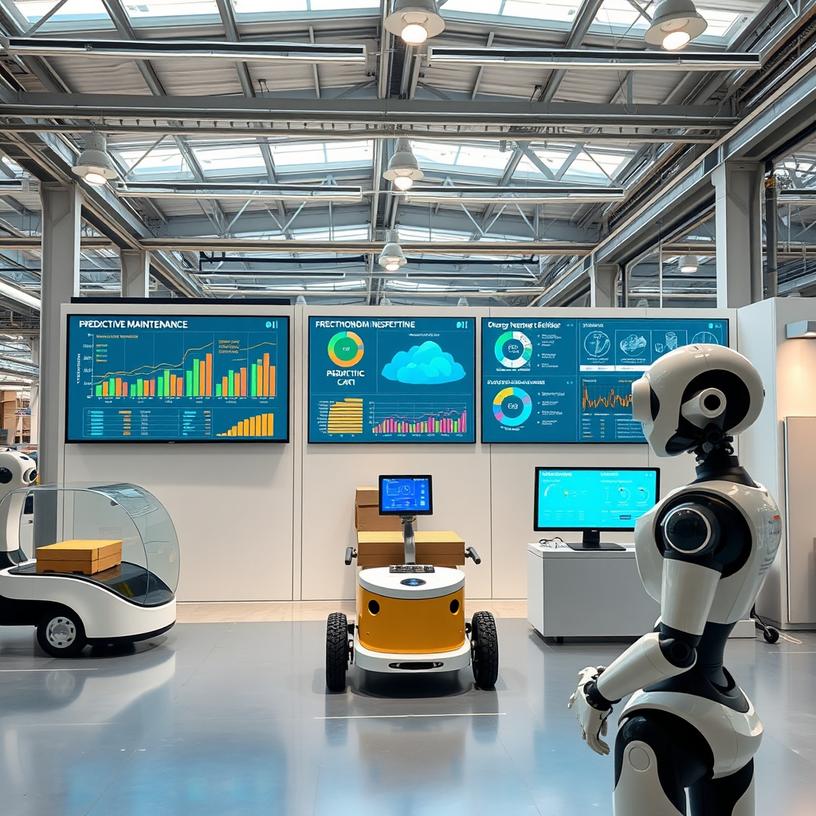
One of the highlights was an AI system that watches the health of heavy equipment in real time. Sensors feed vibration, temperature, and power data into a neural network that learns what “normal” looks like for each machine. When something deviates, the system sends an alert before a breakdown can happen. The demo showed a turbine that would have failed in a few hours, but the AI caught the anomaly early enough to schedule a repair during a planned downtime. For factories, that means less unplanned stoppage and lower maintenance bills. The engineers emphasized that the model can be trained with just a few weeks of data, which lowers the barrier for smaller plants that cannot afford massive data‑collection projects.
Another project featured a fleet of autonomous carts that move pallets across a warehouse without human intervention. The carts use a combination of lidar, cameras, and a lightweight AI planner to avoid obstacles and find the shortest route. What sets this system apart is its ability to learn from traffic patterns in the building. After a few days, the carts adjust their paths to reduce congestion near loading docks. The presenter showed a live map where the robots rerouted themselves when a forklift blocked a corridor. In a real plant, such flexibility can shave minutes off each shipment, which adds up to significant time savings over a year. The team also highlighted the low cost of the hardware, making the solution affordable for mid‑size distributors.
The third demo tackled a problem that haunts many manufacturers – spotting tiny defects on fast‑moving assembly lines. Using high‑speed cameras and a convolutional network, the system can detect scratches, misalignments, or missing components at a rate of several frames per second. During the showcase, a line producing printed circuit boards ran at full speed while the AI flagged a batch with a subtle solder bridge that human inspectors missed. The company reported a 30 % drop in scrap rates after deploying the technology for a month. The biggest surprise was the ease of integration: the AI runs on a small edge device that plugs into existing camera rigs, so factories do not need to overhaul their whole vision system.
Two more projects rounded out the six. The first used AI to balance power consumption across a plant’s machines, shifting loads to off‑peak hours while keeping production targets intact. By predicting short‑term demand, the system reduced electricity costs by up to 12 % in the pilot. The second focused on a medical‑device maker that applies AI to monitor the cleanliness of its clean rooms. Sensors track particle counts and humidity, feeding the data into a model that alerts staff before standards are breached. This proactive approach helps maintain strict regulatory compliance and avoids costly shutdowns. Both cases illustrate how AI can slip into niche corners of industry, delivering value without demanding a complete digital overhaul.
Watching these six projects side by side gave me a clear sense of where the industry is heading. The common thread is not flashy hype but a steady march toward reliability and cost‑effectiveness. Companies are no longer testing AI in isolation; they are embedding it into existing workflows and measuring real outcomes. That shift matters because it builds trust among decision‑makers who have been wary of “black‑box” solutions. As more success stories emerge, I expect to see a ripple effect – smaller firms will adopt similar tools, and larger players will push the technology further. The road ahead will still have challenges – data quality, cybersecurity, and workforce training – but the momentum is undeniable. In the end, these front‑line innovations show that artificial intelligence is becoming a dependable partner on the shop floor, not just a topic for conference talks.
Source: Original Article


Comments are closed