What changed and why fans noticed
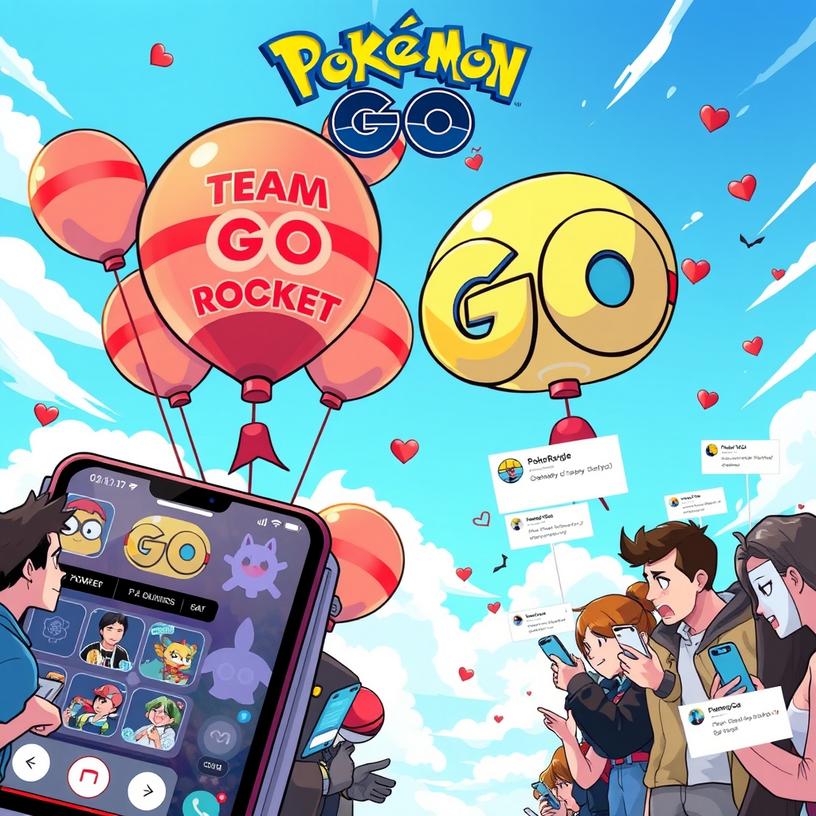
Pokemon GO players noticed something different in the live events. Team GO Rocket balloons did not appear as often. The balloons spawn in the sky and trigger quick battles with Rocket grunts. Winning these battles gives items and a chance to free Shadow Pokemon. The update means fewer chances to grab those rewards in a day. Fans saw this as a slow down. It breaks the daily rhythm that kept play lively. Scopely and the game team called it a pace change. They said it helps prevent content from piling up. Still, many players felt the change was a step back. It hit grinders who count on steady rewards to keep logging in. The mood online went from curiosity to frustration fast.
Why fans feel let down
The balloons are not just a random feature. They are part of a rhythm many players count on. A quick battle, a small reward, then back to other tasks. When the frequency drops, the rhythm changes. Some players worry this is a sign of a bigger shift. They fear long droughts or slower progression. The backlash shows many players built routines around tiny moments in the game. When those moments are trimmed, people push back for themselves and for the community they built online. The discussion on social media feels loud. It is about how a live service game should feel in 2026: steady but not stale.
Scopelys role and the publisher angle
Scopely does not own Pokemon GO. It handles parts of the publishing approach for this collaboration. That means the company bears some responsibility for how changes land with fans. In their note, they said they were listening and would watch the data. They framed the change as balancing act. Not a hit to the player experience. The truth is a mix of both. If numbers show more players drift away, the team will rethink the approach. If numbers stay steady, fans may accept a slower pace. They still want clearer reasons for the changes. The moment tests trust as much as it tests product decisions.
A possible path forward
The most likely next step is a closer look at what players want and what the data shows. Scopely could adjust the balloon frequency. They could restore a portion of the cut or time changes around big events. It should feel less disruptive. They may also post a clear note about the goals behind the change. Some players hope for small compensation like extra stardust or a temporary boost. Whatever happens, clear public updates matter. A quick patch note and a social post can soften the sting. The key is not to pretend the change does not matter. It is to show a plan for keeping the game engaging.
Lessons for live service games
Fans and developers can learn from this. Live service games live or die by small choices that add up over weeks. A change in one mechanic can ripple through the mood of the community. The best approach is transparency. Use data to guide decisions. Be ready to adjust quickly when fans respond loud. Scopely and Niantic face that test now. If they stay connected with players, the game can still feel fresh. It can keep a steady pace too. If they pull away and hide behind numbers, the vibe will grow colder. The community can help steer the ship. It only works when leaders listen and respond in real time.
Conclusion
Balloon changes are small in a big game. Yet they show how much a community cares about rhythm and rewards. The episode shows why publishers must balance speed and stability. Players should voice concerns without burning trust. The road ahead will likely bring tweaks, more updates, and renewed effort to keep players engaged. For now, the win is a game world where fans feel heard even when a feature changes. The balloon moment ends up as a lesson in running a living game with care, even when people disagree.






Comments are closed