

We are a digital agency helping businesses develop immersive, engaging, and user-focused web, app, and software solutions.
2310 Mira Vista Ave
Montrose, CA 91020

2500+ reviews based on client feedback
What's Included?
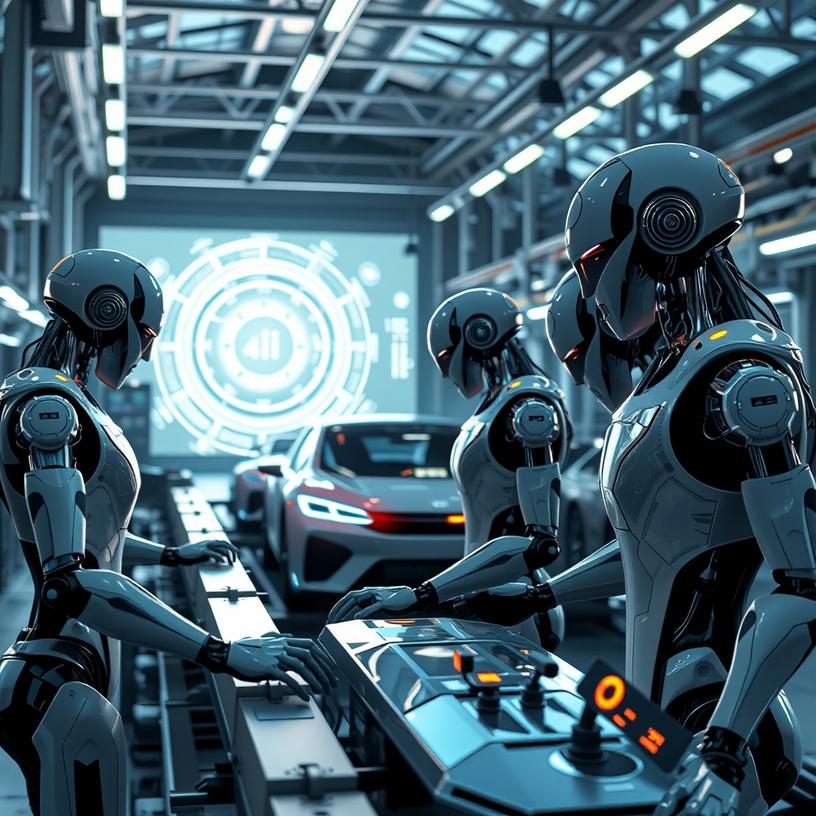
ToggleTesla has always been about more than just cars. The latest move is a push to blend hardware and software in a way that could change the whole business model. Instead of only selling electric vehicles, the company is trying to sell a package that includes a humanoid robot and a conversational AI that learns from the fleet. This mix of physical products and cloud‑based intelligence is what analysts now call the “physical‑AI” strategy. It’s a risky bet, but if it works, it could give Tesla a new revenue stream that isn’t tied to car sales alone. The market is watching closely, because the outcome could reshape how investors view the stock.
Elon Musk first showed a prototype of the Optimus robot a few years back, promising a machine that could handle mundane tasks. Since then, the engineering team has been quietly refining the design, adding better balance, more dexterous hands, and a battery that can last a full work shift. Recent footage shows a version that can lift boxes, assemble simple components, and even navigate a cluttered warehouse. The goal is to eventually produce Optimus at scale, using the same production lines that build Tesla cars. If the robot can be made affordable, it could find a home in factories, logistics centers, and even homes, opening a whole new market for the company.
While Optimus handles the physical side, Grok is the software that gives it smarts. Built on the same large‑language‑model architecture that powers many chat services, Grok is trained on data from Tesla’s entire vehicle fleet. That means it has access to billions of miles of driving patterns, sensor readings, and user interactions. The idea is to let Grok answer questions, troubleshoot issues, and even suggest improvements for the robots in real time. By tying the AI to the car network, Tesla hopes to keep the model continuously updated, much like a smartphone gets regular OS upgrades. This tight loop could make both the cars and the robots more useful over time.
The market has already priced in some of the hype around Tesla’s AI ambitions, but the physical‑AI angle adds a fresh layer of speculation. Investors see two potential growth engines: a robot that could sell in the millions and an AI service that could become a subscription revenue source. That dual narrative has pushed the stock higher in recent weeks, even as traditional auto earnings remain volatile. However, the price still reflects a lot of uncertainty. If Optimus or Grok stumble, the upside could disappear quickly. On the flip side, a successful rollout could justify a valuation that looks modest compared to the long‑term opportunity.
Turning a prototype into a mass‑produced robot is a massive engineering challenge. Manufacturing tolerances, safety certifications, and supply chain constraints could slow down the rollout. Likewise, Grok’s reliance on massive data sets raises privacy and regulatory questions that could limit its deployment. There’s also the question of market demand: will factories actually replace human workers with a $5,000 robot, or will they wait for a cheaper alternative? And let’s not forget competition from established robotics firms that have been in the game for decades. All these factors mean that the physical‑AI bet is far from a guaranteed win.
In the end, Tesla’s push into physical AI feels like a natural extension of its brand—always pushing the envelope of what technology can do. The combination of a versatile robot and a constantly learning AI could open new revenue streams that aren’t tied to car sales. But the path is littered with technical, regulatory, and market hurdles. Investors should keep an eye on production milestones for Optimus, the rollout of Grok updates, and how the broader market reacts to these signals. If Tesla can hit its targets, the stock could enjoy a long‑term boost. If not, the hype may fade, leaving the company back to its core auto business. Either way, the next few years will be a telling test of how far a car maker can go when it decides to become a hardware‑software hybrid.
Source: Original Article


Comments are closed