

We are a digital agency helping businesses develop immersive, engaging, and user-focused web, app, and software solutions.
2310 Mira Vista Ave
Montrose, CA 91020

2500+ reviews based on client feedback
What's Included?
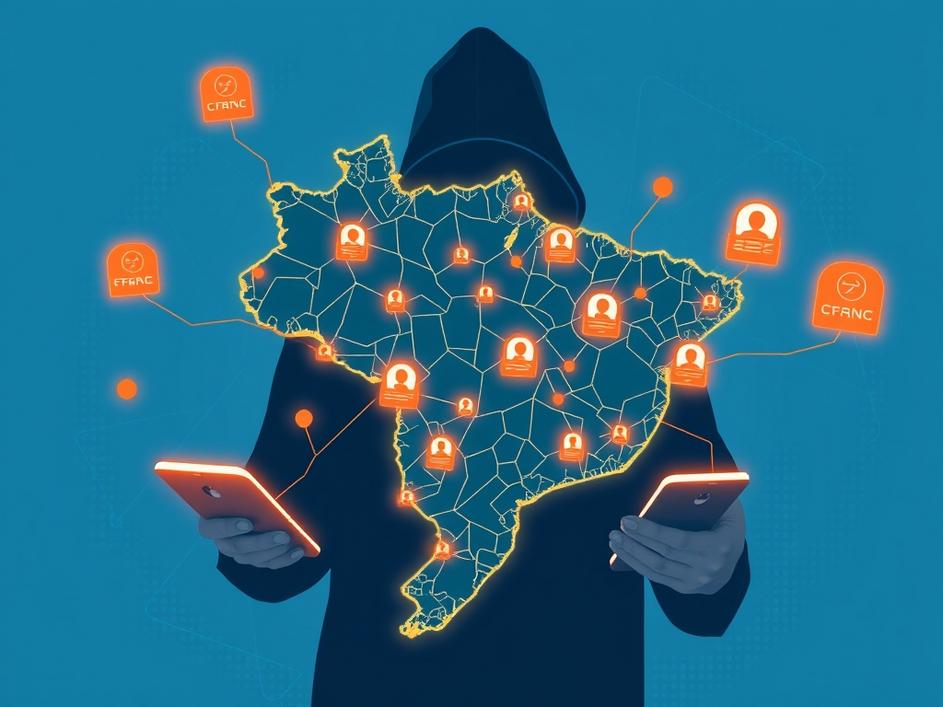
ToggleAcross several states, people woke to an alert on their phones on Saturday morning. It did not come from weather or a sports crowd. The message felt cryptic and unsettled. Officials said it was not part of the normal system. Still, it reached many devices at once. People wondered what happened. In a connected country, a big alert can grab attention fast. Some checked official channels. Others shrugged it off as a glitch. The moment showed digital safety isn’t perfect. It can fail, even in emergencies. People shared screenshots and questions spread quickly.
Public alert systems are built to warn fast. They reach phones, TV, radio, and screens. The goal is simple: warn quickly and clearly. But there are weak points. An alert relies on the delivery path. If a message can be faked or sent without checks, trust fades. When a strange alert shows up with normal notices, people doubt everything. Governments try to fix this. They add digital signatures and require checks by more people. Still, a real breach can slip through. A rogue command may go through if someone inside the system approves it. The Brazil case shows that even common tools can be misused. Experts say the patchwork nature of the system makes it hard to seal every gap.
Experts say motives vary. It could be a test of the system, a show of power, or a way to spread a message. If the message is cryptic, it may test who notices. A political line could aim to shake people or distract from other events. Sometimes attackers want changes in policy. Other times they seek attention or fear. We do not know the details yet. Investigators will tell us more. What matters is this: a single alert can change how people view online safety for days to come. If true, it would mark a new chapter in how attackers think.
Authorities urged calm. They warned people not to click on unknown links. They asked people to seek updates from official sources. Experts say we need better logs and real-time status pages. We also need clear explanations after incidents. For citizens, treat new alerts with care but check official sources. Use government apps and trusted news sites. If something feels off, update apps or reboot devices. The aim is to keep trust alive after a breach. Good information helps more than fear or rumors. Residents in big cities and small towns alike noticed the same thing.
Public warnings only work if people believe them. When messages come with no context, fear grows alongside skepticism. Brazil is not alone here. People want fast alerts, but they want accuracy too. Post-incident honesty matters as much as speed. Officials should explain what broke, how it was fixed, and what will change. On the tech side, there is a push to strengthen authentication and add more control layers. A single mistake should not trigger a mass broadcast. The goal is reliable information, not headlines. If people feel misled, the system loses its edge. Trust is earned daily, not by one busy moment.
Every time a digital flaw shows up, we learn. This incident could push real changes. That would be a turning point if officials use it well. We need tighter access controls and better audit trails. More public drills help, too. Companies and researchers should share what they know while protecting security. People want certainty, not perfect safety, so clear updates matter. The system should work with offline safety steps and simple ways to report problems. If Brazil uses this moment to fix things, it can reduce future risk. Resilience comes from steady work and honest review, not one big win. The coming months will show if hopes get built from this scare.


Comments are closed